
Last updated November 2, 2026
 Sweep & inspection
 Caps & crowns
 Flue relining
 Masonry repair
 Gas fireplace service
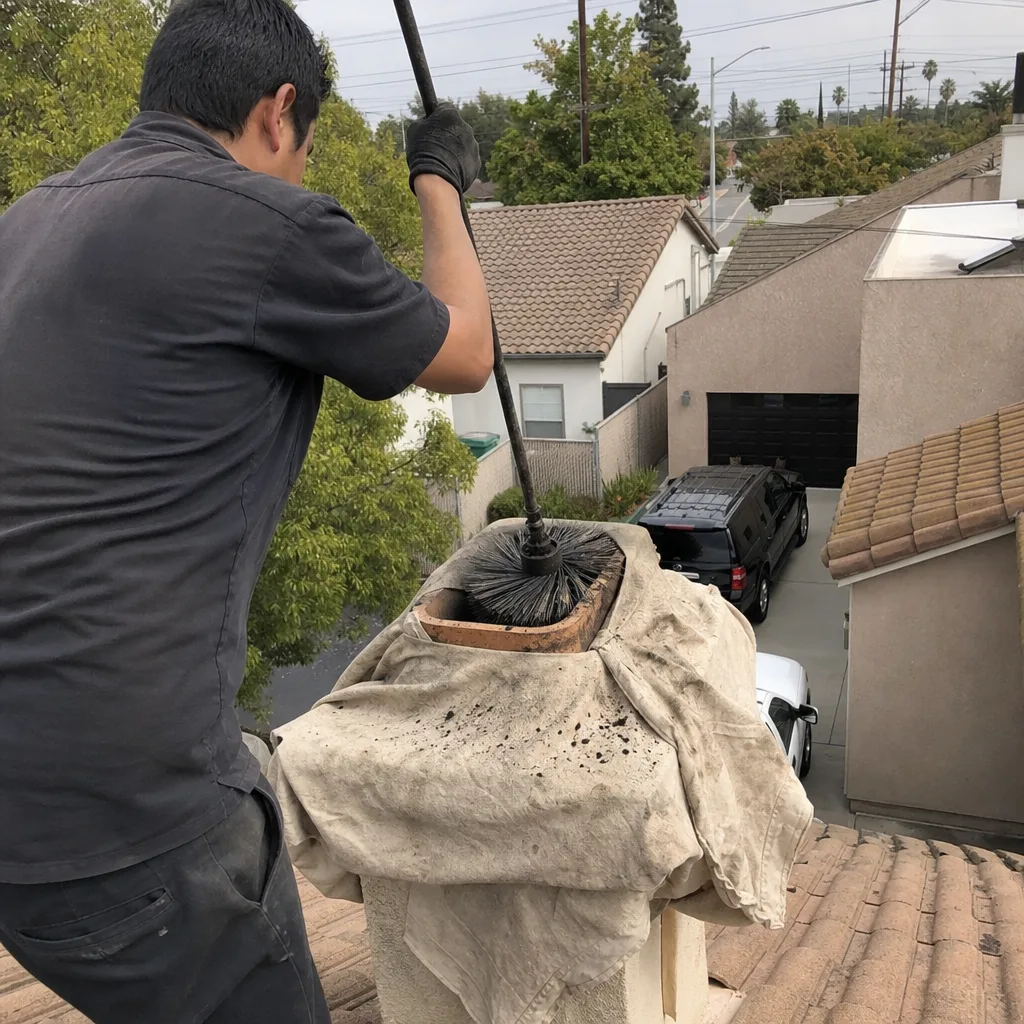
Level 1 sweep and inspection to the NFPA 211 annual standard - flue, crown, cap, and flashing checked and photographed
Chimney sweep logs do not sweep chimneys. They loosen some creosote - which then falls where a brush and vacuum still have to collect it.
Chimney Cleaning Emergency Preparedness Guide for Carson Homes
Carson sits on the Newport-Inglewood fault zone, so earthquake readiness gets drilled into us from childhood. But here’s what rarely makes the preparedness conversation: a chimney fire in a prefab wood-burning fireplace can push flue temperatures past 2,000°F in minutes, and because manufactured fireplaces aren’t built to contain that heat the way a masonry chimney is, structural failure can begin before the fire department arrives. Most Carson households have a seismic kit and no chimney emergency plan at all. This guide walks through the emergencies that are statistically far more likely than the big one: the chimney fire that starts quietly, the carbon monoxide event nobody smells, and the flue that cracks during a small quake and goes unnoticed until it’s dangerous. For Chimney Cleaning Warning Signs: A Carson Homeowner’s Reference Guide, see our companion post.
Quick Answer
A chimney emergency in Carson usually takes one of three forms: a chimney fire (loud, often sounding like a freight train or heavy rain, with dense smoke and visible flames from the chimney top), carbon monoxide back-drafting into living space (invisible, odorless, often caused by a blocked or damaged flue), or post-earthquake structural damage that leaves cracks in the liner. If you suspect a chimney fire, evacuate and call 911. If a CO detector sounds, get out and call 911 from outside. For cracks and structural concerns after a quake, don’t use the fireplace until a professional inspects the flue. Preparedness means knowing which emergency is which, because the correct response for each is different.
Styles & brands we work with
- Sweep & inspection
- Caps & crowns
- Flue relining
- Masonry repair
- Gas fireplace service
Table of Contents
- How to Identify a Chimney Fire in Real Time
- Carbon Monoxide and Chimney Systems: What Carson Homes Get Wrong
- Post-Earthquake Chimney Protocol for Carson Homes
- What to Document During a Chimney Emergency for Insurance
- The Pre-Season Chimney Preparedness Checklist
- Gas Fireplaces Are Not Zero-Risk: Venting Emergencies Explained
How to Identify a Chimney Fire in Real Time
A chimney fire is not subtle, but it can be mistaken for a healthy fire if you don’t know what to listen for. The defining sound is a deep rumbling or roaring that doesn’t match the size of the fire in the firebox. Think freight train, jet engine, or heavy rain on a tin roof. That sound is creosote igniting in the flue, burning hot and fast above you. From inside the room, you may see dense, dark smoke rolling from the chimney even though the fire below looks normal, or flames shooting from the chimney top that look far more aggressive than what’s in the firebox. From outside, neighbors often see it before you do: a chimney top roaring like a torch.
Here’s the sequence if you suspect a chimney fire in your Carson home:
- Get everyone out. Do not investigate further. A chimney fire can crack the flue liner within minutes and spread into framing and attic space.
- Call 911. From outside. Tell the dispatcher it’s a chimney fire, not a room fire, so responders know the fire is inside the chimney structure.
- Close the fireplace door or screen if you can do so without putting your face near the firebox. This cuts some oxygen supply to the fire. Do not stay inside to do this if there’s smoke in the room.
- Do not use water. Water on a hot flue can crack masonry and liners instantly, turning a contained chimney fire into a structural fire.
- Shut off the gas supply at the meter if your fireplace is gas-fueled and you can reach the shutoff quickly. If not, don’t delay evacuation.
In our experience serving Carson homes, chimney fires rarely announce themselves in advance. They start when accumulated creosote reaches ignition temperature, which is around 451°F. What surprises homeowners is how quickly they escalate. A creosote fire can burn so hot that the flue cracks, sparks reach the roofline, and an attic fire begins before the family has even confirmed the chimney is on fire. Annual Chimney Sweep in Carson is the single most effective prevention step you can take. That’s not marketing language; it’s the difference between a working system and an unplanned renovation.
Carbon Monoxide and Chimney Systems: What Carson Homes Get Wrong
Carbon monoxide (CO) back-drafting into living space is the most dangerous chimney-related emergency because it’s invisible, odorless, and often mistaken for early flu symptoms. The most common cause in Carson homes is not a wood fire gone wrong. It’s a gas appliance (furnace, water heater, or gas fireplace) venting through a flue that’s partially blocked, damaged, or incorrectly sized. When exhaust can’t travel up the flue freely, it spills backward into the home. The second most common cause is negative indoor air pressure: a tight house with exhaust fans running, the kitchen hood pulling air down the flue, and combustion gases riding along with it.
What most homeowners get wrong is assuming a CO detector near the kitchen is enough. Detector placement logic matters. CO rises with warm air, so detectors should be placed:
- On every level of the home, including the basement if you have one
- Within 10 – 15 feet of every sleeping area
- Near but not directly above the gas appliance, about 5 feet off the floor
- Away from dead air spaces like corners and behind doors
In Carson, many homes built in the 1950s – 1970s have original single-wall flues running through wooden framing. If you haven’t had the flue interior inspected with a camera, you don’t actually know whether the pipe is intact. We’ve opened walls in Carson homes where the flue was rusted through behind the drywall, venting furnace exhaust into wall cavities for months before anyone noticed. If your CO detector goes off, the protocol is relocation and 911, period. Do not open windows and “air it out” first. Fire crews carry CO meters and can pinpoint the source faster and more safely than you can.
Post-Earthquake Chimney Protocol for Carson Homes
Carson sits close enough to the Newport-Inglewood fault that a magnitude 5.0 quake isn’t hypothetical, and even a 4.0 can shift a chimney system enough to separate flue sections, crack mortar joints, or knock brick off the top of the stack. What matters after a quake isn’t the chimney’s appearance from the street. What matters is the condition of the flue liner, which you cannot see from the ground. Here’s the post-quake sequence to follow before using the fireplace again:
- Visual exterior check from the ground with binoculars. Look for new cracks wider than 1/8 inch in the chimney brick or mortar, visible leaning, or missing sections at the top.
- Interior firebox check. Look for cracked firebrick, separated masonry, or a firebox that shifted relative to the floor. Obvious cracking here is a definitive “do not use” signal.
- Flue check. The flue liner is the interior passage the fire exhaust travels through. Cracks in the liner allow heat and gases to reach wood framing. You cannot see liner cracks from the firebox in most cases. This requires a camera inspection.
- Roof-level check if safe. Look for separated flashing, gaps around the crown, or shifted chimney cap. If you’re not comfortable on a roof, this is a reason to call a professional.
Visible exterior cracking worth acting on is any crack that wasn’t there before the quake, especially if it runs through the mortar joints diagonally rather than vertically. Diagonal cracks indicate shear movement, not just foundation settling. If the chimney is separated from the house at any point, treat it as an active structural hazard and don’t use the fireplace. The Carson consideration is that many homes in the city have masonry chimneys built in the 1960s with unreinforced mortar, which cracks more readily under seismic stress. A cracked flue after a small quake is not rare; it’s expectable. If you notice any of these signs, schedule a camera inspection with a chimney specialist before the next fire.
What to Document During a Chimney Emergency for Insurance
Insurance companies process chimney-related claims more efficiently when the documentation pipeline is clean. The goal is to prove three things: what happened, what caused it, and what it costs to repair. If you’re in the middle of a chimney fire or CO event, documentation is secondary to evacuation. Once the immediate emergency passes, here’s the documentation sequence that supports a claim:
- Photos immediately, with timestamps. Photograph the firebox, the chimney exterior, the flue cap if visible, and any smoke damage to the ceiling or walls. Include wide shots and close-ups. Timestamp metadata matters.
- Video walkthrough if smoke spread. Insurance adjusters respond to visual evidence more than written descriptions. A 60-second video of each affected room is worth more than a page of notes.
- Written chronology. Note the date, time, who noticed the issue, what you saw and heard, and what steps you took. Put it in writing within 24 hours while details are crisp.
- Any existing maintenance history. If you have records of past chimney sweeps or repairs, include them. Claims are often denied for “lack of maintenance,” and a clean service history is your counter-evidence.
- Professional assessment report. If Chimney Repair in Carson is needed, the report should state cause, scope of damage, and required repair in standard industry language (CSIA-style terminology helps). Insurers recognize these docs.
The most common claim we see is a chimney fire that damaged the liner but didn’t come through the roof, followed by an insurer arguing the damage predated the fire. That’s where the maintenance history and timestamped photographic evidence matter most. If a chimney specialist has already swept and inspected the system, the “pre-existing condition” argument gets very hard for an adjuster to sustain.
The Pre-Season Chimney Preparedness Checklist
Emergency preparedness doesn’t start when the emergency happens. It starts in September or October, before the first fire of the season, and it takes less than an hour to complete. Here’s the Chimney Sweep Maintenance Checklist for Carson Homeowners we recommend every household with a wood-burning or gas fireplace complete:
- Schedule the sweep before first use. The reason is simple: creosote from last season is still in the flue, and you don’t know its condition until someone looks. A sweep that finds 1/4 inch of creosote means fires are safe to burn. A sweep that finds 1 inch means you would have burned through a fire hazard on night one.
- Test CO detectors on every level. Replace batteries and check expiration dates. CO detectors have a 5 – 7 year lifespan. If yours is older than that, replace the unit, not the battery. This applies to Carson homes especially given how many run gas furnaces in winter.
- Know where the gas shutoff is. If you have a gas fireplace, gas furnace, or gas water heater, confirm the location of the gas shutoff at the meter and at the appliance. In a gas emergency, this is the first thing fire crews will ask you for.
- Have a chimney contractor’s number saved. Not bookmarked. Saved in your phone. At 10pm in December, when the fireplace is making a strange sound, you won’t have the bandwidth to research chimney repair. More on who to call below.
- Clear the area around the chimney. Remove branches, dry leaves, and any flammable material from the roofline and chimney top. In Carson’s dry season, this matters more than in coastal communities.
This checklist is the same logic as a seismic kit: you prepare for the event before it happens, not during it. Browse more guides & resources on keeping your home safe year-round. A chimney fire you catch during the first burn of the season is no different from a chimney fire you catch in February. The only variable is whether you have systems in place.
Gas Fireplaces Are Not Zero-Risk: Venting Emergencies Explained
There’s a persistent belief in Carson that gas fireplaces don’t create chimney hazards because they don’t produce creosote. That’s partially true: no creosote, no chimney fire in the classic sense. But gas fireplaces introduce a different set of risks that can be just as dangerous. They produce carbon monoxide as a byproduct of combustion. When the venting system is blocked, damaged, or incorrectly installed, that CO can back-draft into the living space. In our experience, gas appliances are actually the more common source of CO intrusion in Carson homes than wood fires, because gas systems run unattended more often. People don’t leave wood fires burning overnight, but they absolutely leave gas fireplaces running while they sleep.
Here’s what to watch for with gas fireplace venting:
- Soot streaks on the glass usually indicate incomplete combustion or a venting problem. Gas fires should burn clean and blue. Soot means something’s off with the air-to-fuel ratio or the exhaust path.
- Condensation inside the firebox after the fire’s been burning a while suggests exhaust isn’t venting properly, and acidic condensation is forming inside the unit.
- A smell like burning plastic or a mild sulfur odor can indicate blocked venting or a cracked heat exchanger.
- A pilot light that keeps going out may indicate back-drafting, where exhaust pressure is pushing the pilot flame out.
The fix for gas venting problems is not user serviceable. This is where the trained professional comes in. The flue may need professional cleaning, the venting may need replacement, or the fireplace itself may need adjustment. The point is: gas fireplaces need annual inspection just like wood-burning ones. A gas fire that’s venting correctly is safe. A gas fire where the flue is blocked or cracked is a CO event waiting to happen. If you’re not sure when your gas fireplace was last inspected, the answer is probably been too long.
Common Mistakes to Avoid
- Waiting for the “right” moment to call after a quake. Many Carson homeowners wait weeks or even months after an earthquake to have their chimney inspected, assuming no visible damage means no problem. A cracked liner doesn’t announce itself visually. The first fire after a quake is the most dangerous fire you’ll ever burn if the liner is compromised.
- Using the fireplace as the primary heat source during a Carson cold spell without a recent sweep. Creosote buildup from a single season of heavy burning can reach ignition levels quickly, and a chimney fire during a cold snap when you’re relying on the fireplace is the worst possible timing.
- Relying on that old CO detector in the hallway. If the detector is beyond its replacement date or if it’s only on the main floor while the gas furnace vents through a flue that runs through the attic, you may have CO intrusion in spaces the detector never sees. CO rises to the highest level first.
- Assuming the chimney is fine because the fireplace draws well. Good draw and a clean flue are different things. A flue can have significant creosote accumulation and still draw passably. The only way to verify is to look inside.
- Putting off a repair after a professional flags it. When a chimney sweep flags cracked flue tiles or a deteriorating liner, the recommendation isn’t optional. It’s a known fire pathway, and the longer the system runs with the defect, the more likely the emergency becomes. What could have been a $400 repair during summer becomes a $4,000 emergency repair after the first winter fire.
- Forgetting the dryer vent. Dryer vents are the chimney most homeowners forget. A blocked dryer vent is a documented leading cause of home fires, and it’s a system no one thinks about until it’s smoking. Dryer Vent Cleaning in Carson should be part of the annual preparedness plan, not an afterthought.
See the difference
 Before
 After
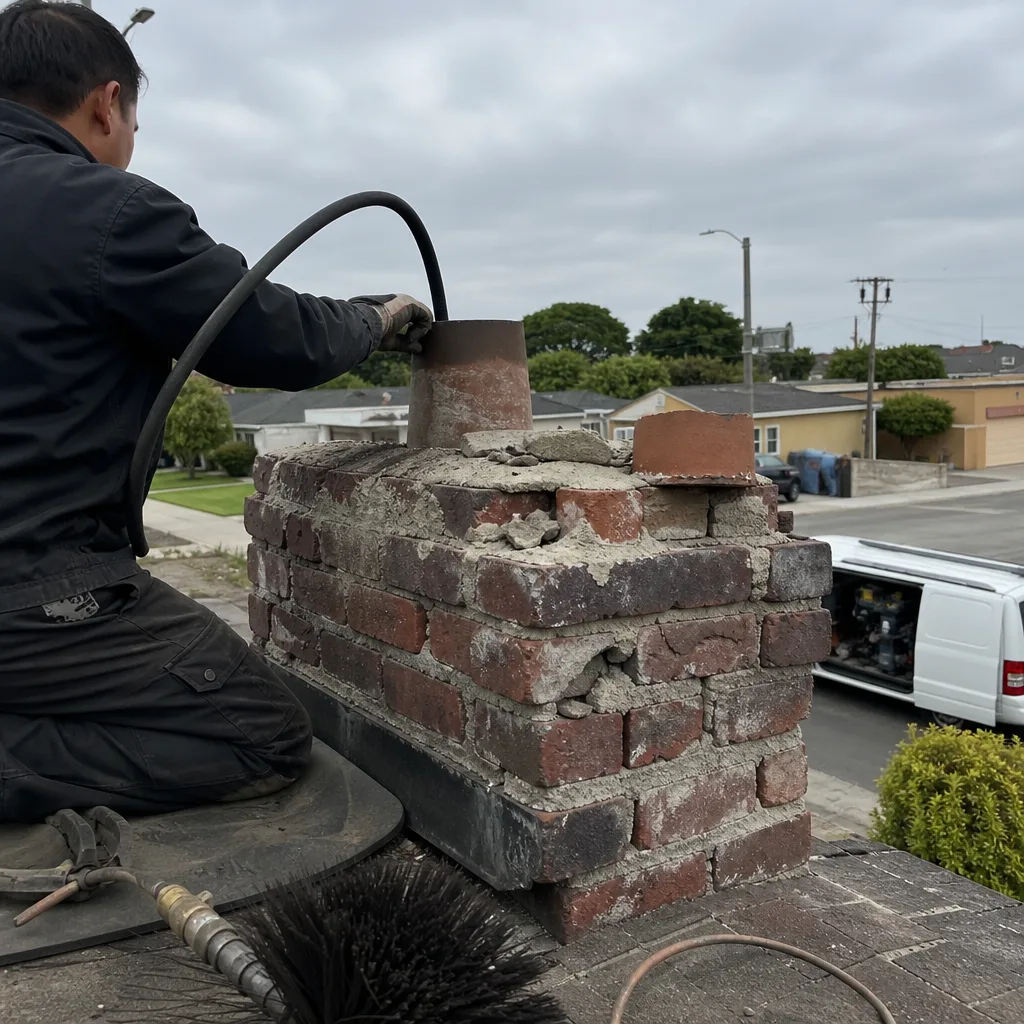 Before
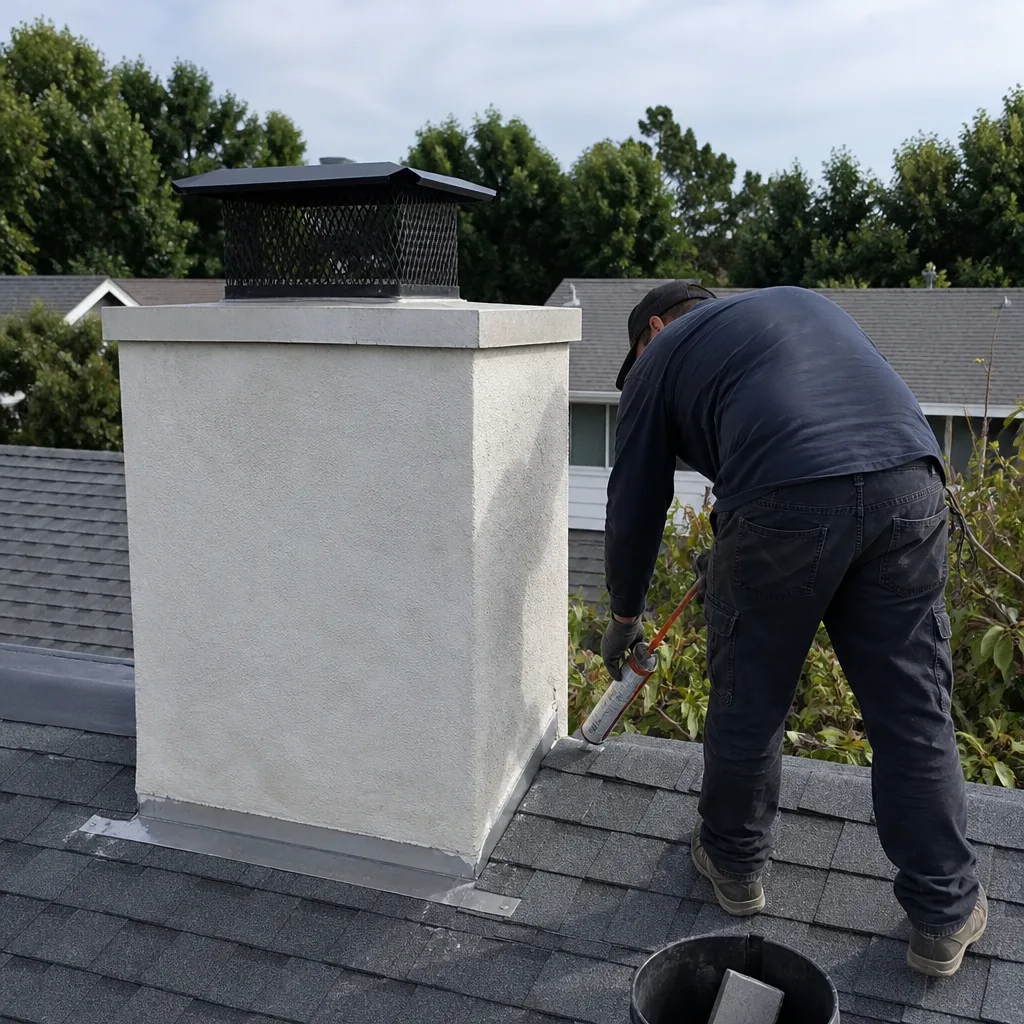 After
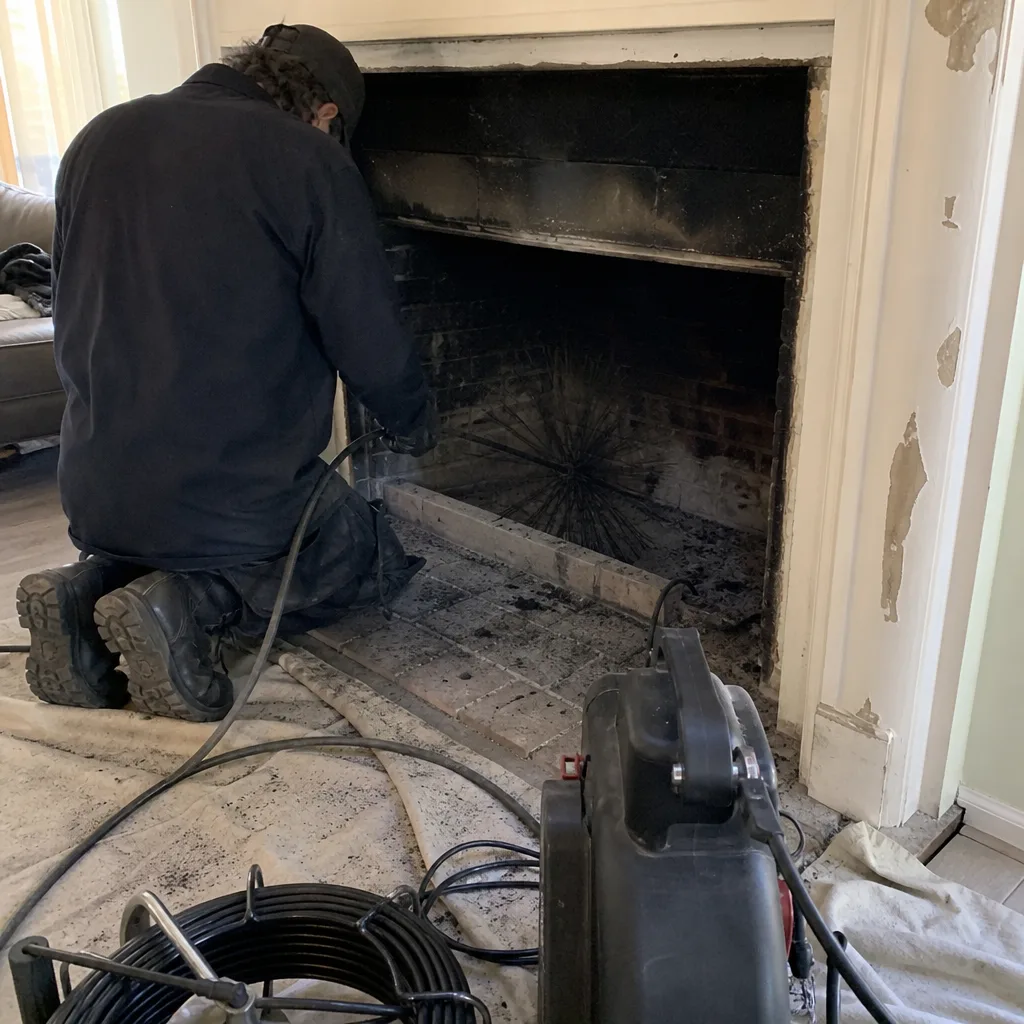 Before
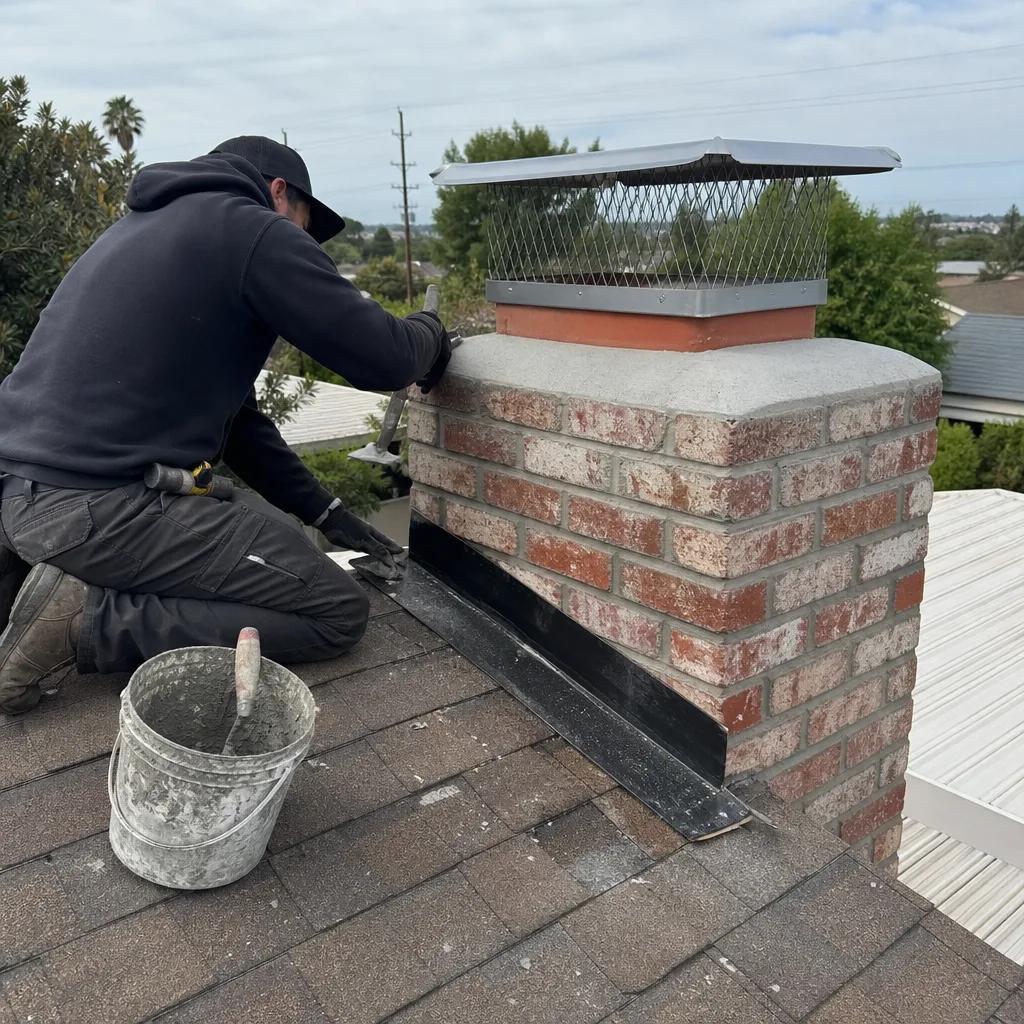 After
When to Call a Professional
You should call a chimney professional for an inspection any time you can’t verify the condition of the flue yourself. After an earthquake, after a chimney fire, after a CO event, or if you haven’t had the system checked in more than a year. Specific red flags that warrant a call this week include visible cracking in the firebox, smoke entering the room rather than going up the flue, a persistent smell of soot or exhaust, or a chimney that’s making sounds that don’t match the fire: popping, rumbling, or a sustained roar. In Carson, Chimney Sweep Carson home offers free estimates with camera inspection and a documented report. If you’re seeing something that worries you, call (833) 593-4907 and get eyes on the flue before the system gets used again.
Frequently Asked Questions
You should not try to fight a chimney fire yourself. A chimney fire is a structural fire inside a contained passage, and the temperature can reach 2,000°F. The safest response is to evacuate and call 911. Once the fire department handles the immediate emergency, have the chimney professionally inspected and cleaned before using the fireplace again.
Most homes with wood-burning fireplaces should have a sweep and inspection once per year, ideally before the burning season starts. Homes that burn more than two cords of wood per year or burn unseasoned wood may need more frequent cleaning. Gas fireplaces should be inspected annually as well, though they won’t need sweeping for creosote. Call (833) 593-4907 for a free estimate if you’re unsure what your system needs.
A chimney fire sounds like a loud rumbling or roaring that doesn’t correspond to the size of the fire in the firebox. It’s often compared to a freight train, a jet engine, or heavy rain on a roof. The sound is creosote igniting and burning rapidly inside the flue. If you hear it, evacuate and call 911.
Gas fireplaces don’t need creosote sweeping the way wood-burning fireplaces do, but they do need annual inspection of the venting system. Gas appliances produce carbon monoxide, and a blocked or damaged flue can push that CO into the living space. A professional chimney inspection covers both the venting path and the fireplace unit itself.
Don’t use the fireplace until a professional has inspected the system. Cracks in the firebox or visible chimney exterior indicate the structure has shifted, and the flue liner may have cracked as well. The only way to know for sure is a camera inspection. A cracked liner that goes unnoticed can cause a house fire the next time you use the fireplace.
Most homeowner’s insurance policies cover chimney fire damage, but claims can be denied or reduced if the insurer can argue the system was poorly maintained. A documented history of professional sweeps and inspections is your best defense against a denied claim. Photograph any damage immediately and keep a written chronology of what happened.
The Bottom Line
Chimney emergencies are more predictable than earthquakes and easier to prevent. A chimney fire happens because creosote built up past the ignition point. A CO event happens because a flue was blocked or cracked and no one looked. A post-earthquake chimney fire happens because no one inspected the system after the quake. Preparedness means annual sweeping and inspection before the heating season, CO detectors that are tested and in the right places, knowing your gas shutoff location, and having a phone number saved for when things go wrong. If you’re in Carson and haven’t had your chimney system inspected in the past year, call (833) 593-4907 to schedule a free estimate. The team at Chimney Sweep in Carson is ready to get eyes on your flue before the next fire.
Written by the team at Chimney Sweep Carson, serving Carson since 2014.