
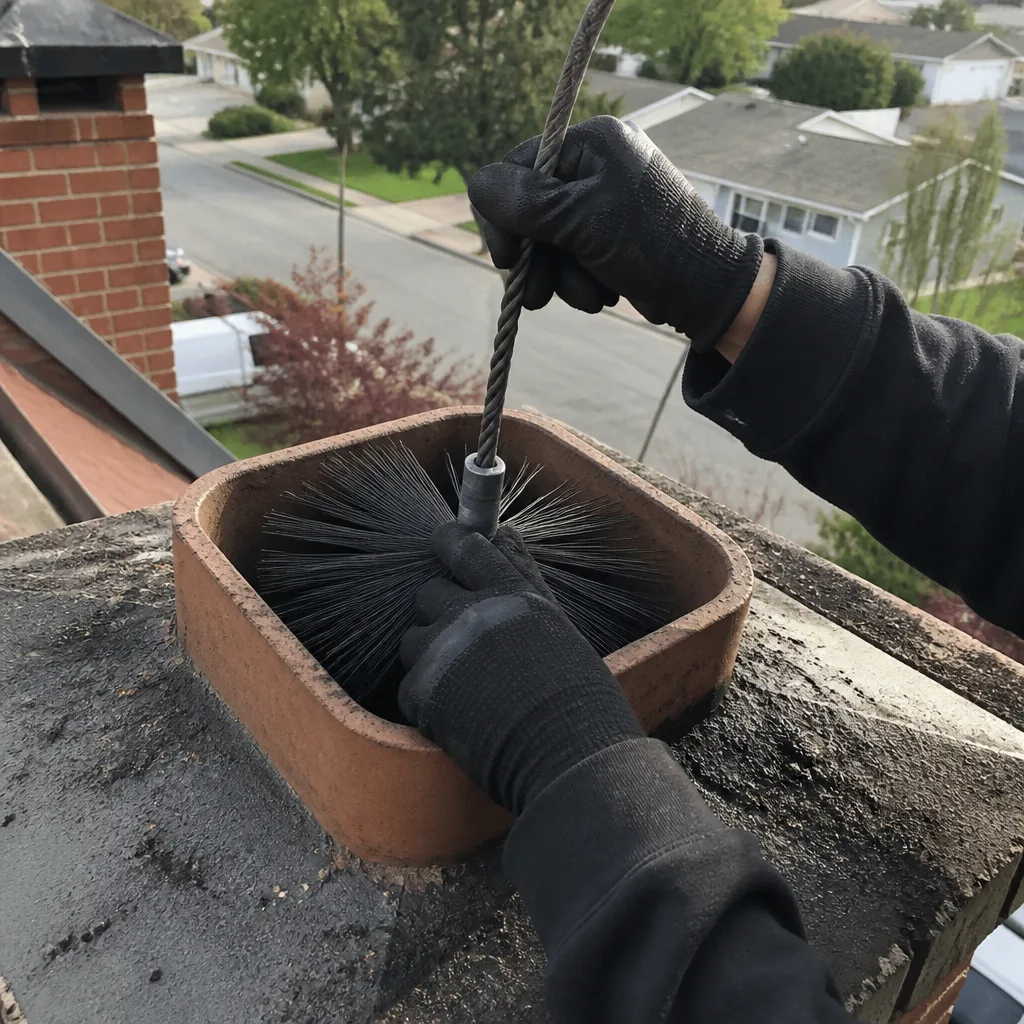
Last updated November 2, 2026
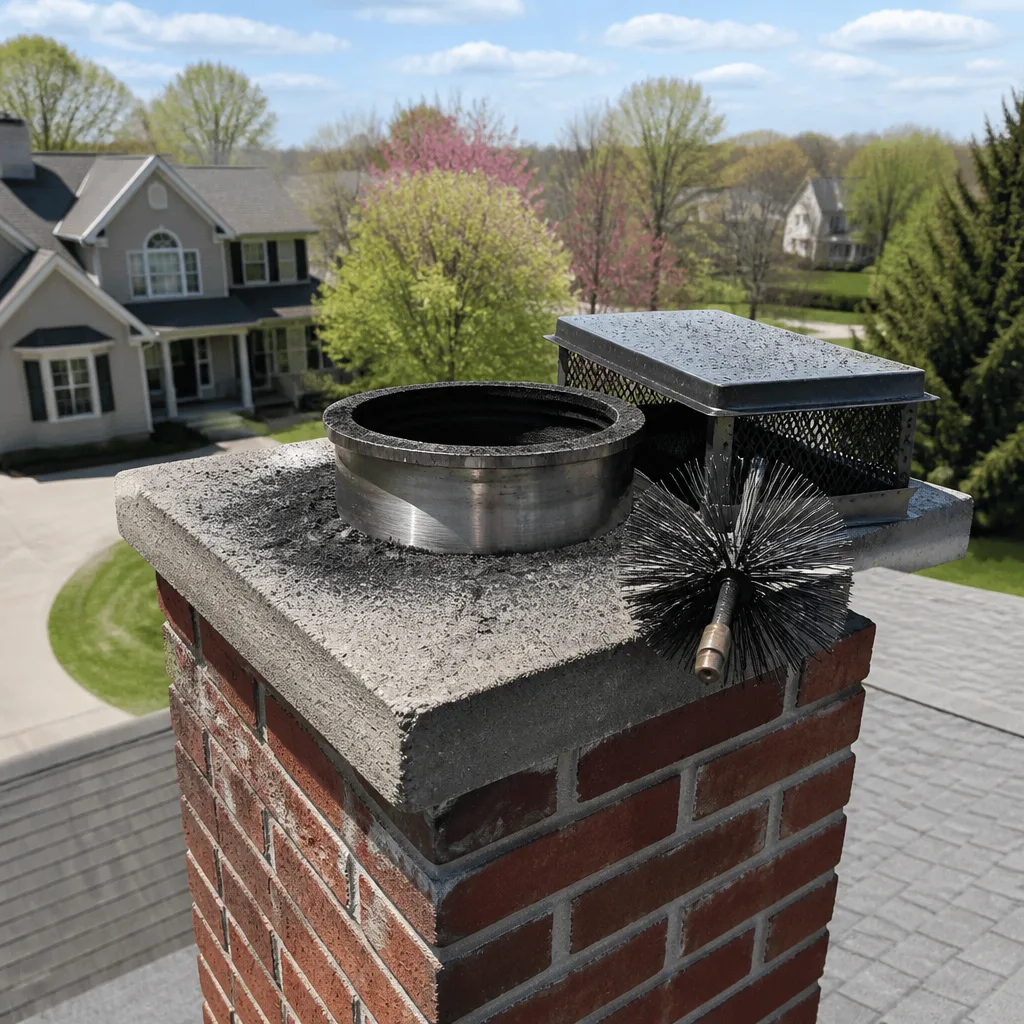 Sweep & inspection
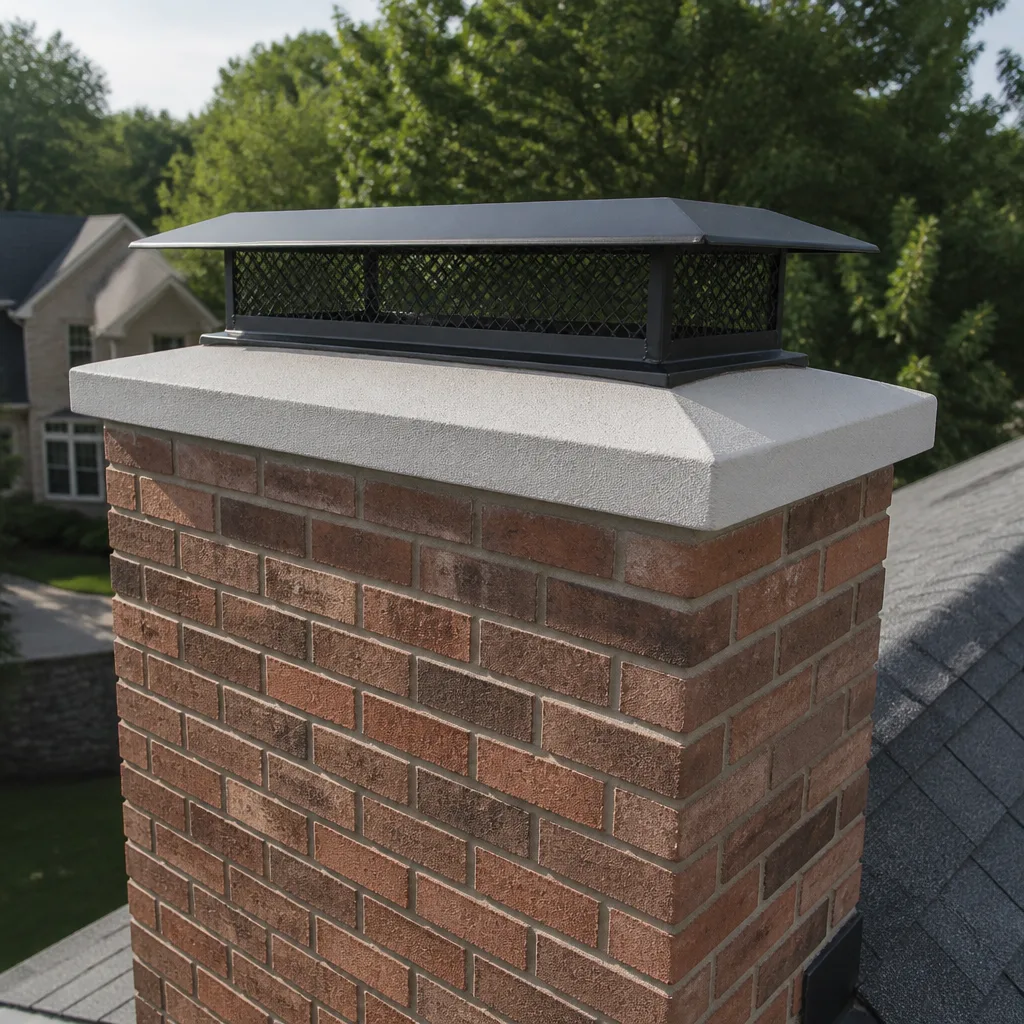 Caps & crowns
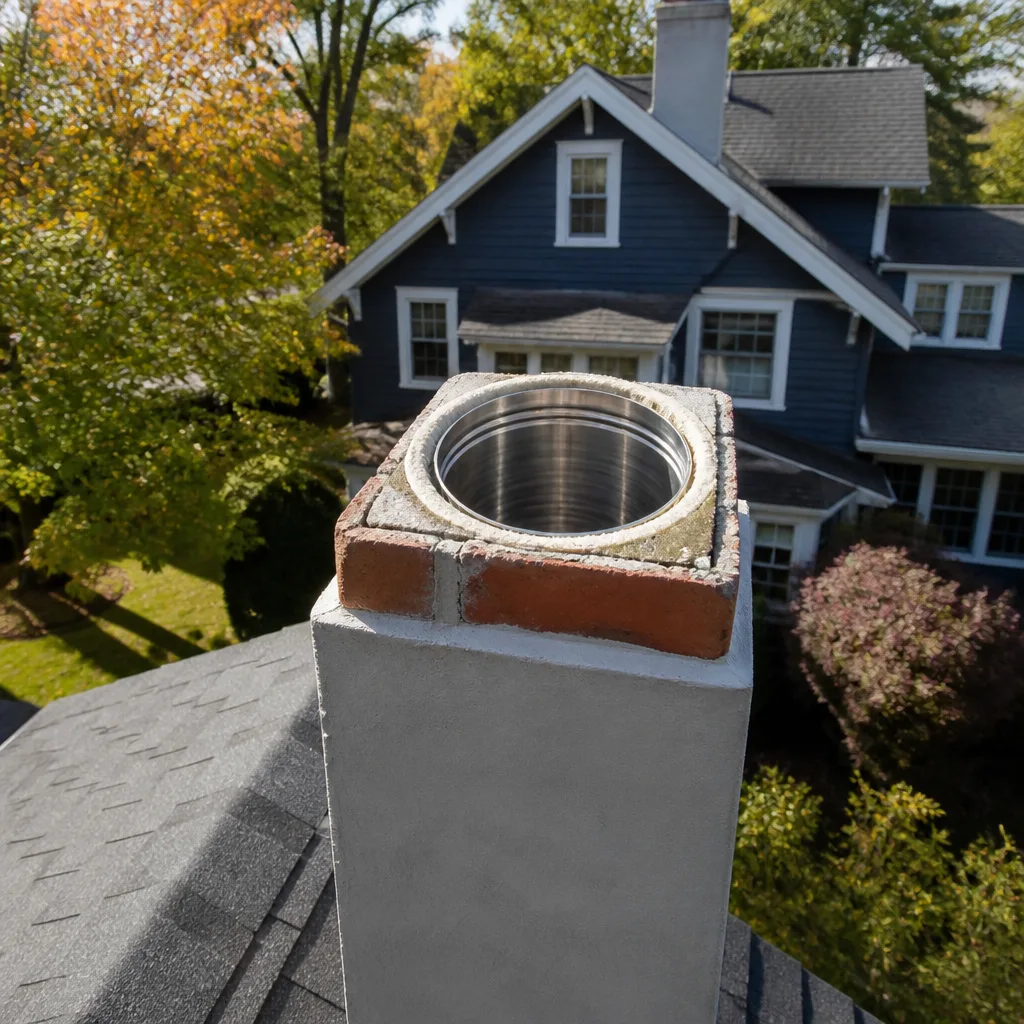 Flue relining
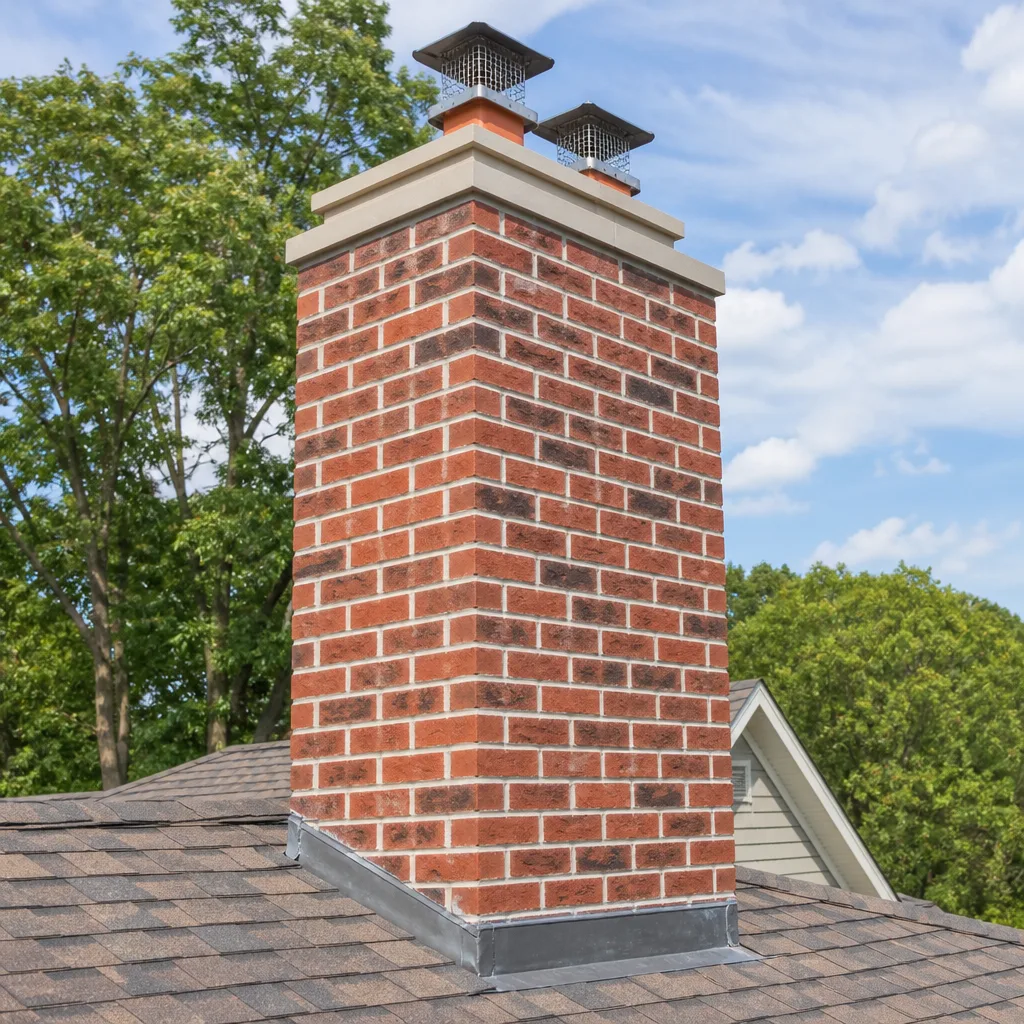 Masonry repair
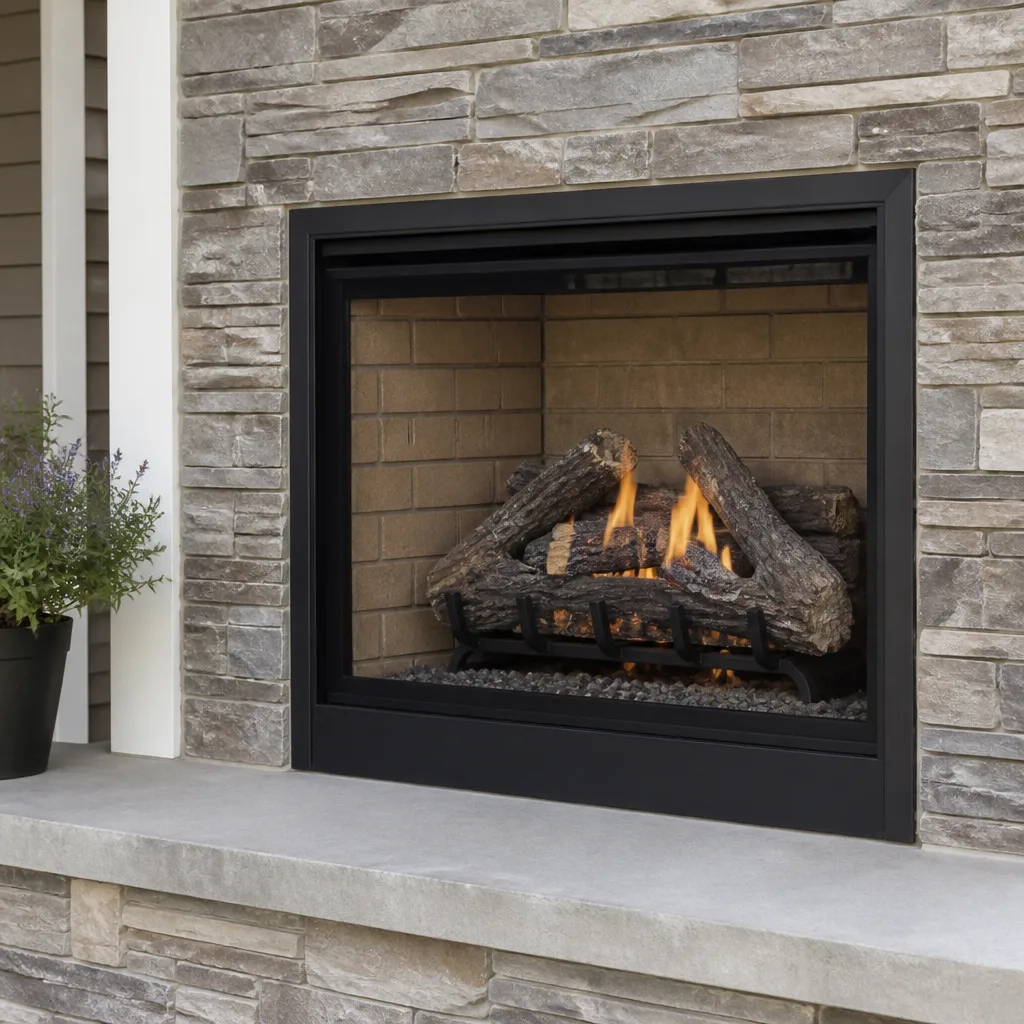 Gas fireplace service
Level 1 sweep and inspection to the NFPA 211 annual standard - flue, crown, cap, and flashing checked and photographed
Chimney sweep logs do not sweep chimneys. They loosen some creosote - which then falls where a brush and vacuum still have to collect it.
Chimney Cleaning Warning Signs: A Carson Homeowner’s Reference Guide
White staining on the exterior of a chimney looks like a cosmetic issue. It’s actually efflorescence, evidence that water is moving through the masonry, and it means the interior mortar joints are likely saturating too. The stain is the symptom; the liner damage is the problem. In Carson, where marine air off the Pacific keeps humidity high and summer heat bakes the exterior brick, chimneys face a specific set of stresses that accelerate deterioration. Most chimney failures in this city don’t happen suddenly. They announce themselves weeks, months, sometimes years in advance, through signals that are easy to miss if nobody tells you what to look for. This guide classifies those signals by urgency tier so you can make an informed call, not just a panicked one.
Quick Answer
The warning signs that demand your attention fall into three tiers: stop-use-immediately conditions like visible flame rollback or smoke entering the room, schedule-within-weeks issues like white staining or spalling brick, and note-for-annual-inspection items like minor mortar gaps or cap discoloration. A chimney that shows stop-use signs should not be operated until a professional has inspected it. For Carson homeowners, the most reliable way to distinguish between the three tiers is a camera scan of the flue, which reveals what the naked eye can’t, as outlined in our Chimney Sweep Maintenance Checklist for Carson Homeowners.
Styles & brands we work with
- Sweep & inspection
- Caps & crowns
- Flue relining
- Masonry repair
- Gas fireplace service
Table of Contents
- Tier One: Stop Using the Fireplace Immediately
- Tier Two: Schedule Within Weeks
- Tier Three: Note for Annual Inspection
- Smoke Smell During a Fire vs. When Cold
- Gas Insert Warning Signs Carson Homeowners Miss
- Animal and Debris Intrusion: What to Listen For
- What You Can Check Yourself vs. What Needs a Camera
- Common Mistakes to Avoid
- When to Call a Professional
- Frequently Asked Questions
Tier One: Stop Using the Fireplace Immediately
Some warning signs leave no room for interpretation. If you see any of the following, close the damper, don’t light another fire, and get a professional out. These conditions indicate either an active fire hazard or a structural compromise that makes every subsequent burn a roll of the dice.
Visible flame rollback. Flame rollback happens when smoke and flames don’t draw up the flue the way they should. Instead of rising cleanly, the flame flickers outward, sometimes licking at the firebox opening. This indicates a significant draft failure, often caused by a blocked flue, a cold chimney that hasn’t established adequate draw, or structural narrowing from creosote buildup. It’s not a quirk. It’s the chimney telling you the path is compromised.
Smoke entering the room during a fire. A properly functioning fireplace pulls smoke up and out. When smoke spills into your living room, even intermittently, something is wrong. Common causes include a partially blocked flue, a damper that isn’t opening fully, negative air pressure in the house, or a flue that’s undersized for the firebox. In Carson’s older housing stock, we’ve seen chimneys that were originally designed for wood and later retrofitted for gas, creating sizing mismatches that produce exactly this symptom.
Visible cracking in the firebox. Cracks in the firebrick or masonry of the firebox aren’t purely cosmetic. A cracked firebox can allow heat to reach combustible materials behind the masonry – framing, insulation, drywall. The firebox is your first line of defense against heat transfer. If it’s compromised, the fire isn’t contained the way the system was designed for.
A strong odor of smoke or soot when the fireplace is not in use. This is different from the faint campfire smell during a burn. A persistent smoke odor when the fireplace is cold suggests creosote accumulation so heavy it’s releasing odor on its own, or a draft reversal pulling air down the flue and into the house. Both indicate the flue needs attention before the next fire.
Any one of these is a legitimate reason to stop using the fireplace in your Carson home until a professional has looked. Operating a fireplace under these conditions isn’t just unpleasant. It’s gambling with structural fire risk.
Tier Two: Schedule Within Weeks
Tier two signs don’t require you to stop using the fireplace today, but they indicate active deterioration that will get worse. Addressing them within a few weeks prevents a tier one situation from developing.
White staining (efflorescence) on exterior masonry. Efflorescence is the white, chalky residue that appears on brick or stone when water moves through the masonry and evaporates, leaving mineral deposits behind. It’s not mold, and it’s not surface dirt. It’s proof that water is inside the chimney structure. In Carson, where winter rains drive moisture into exposed masonry and summer heat bakes it out, the wet-dry cycle is relentless. The water that’s leaving those mineral deposits is the same water that’s attacking the mortar joints and, eventually, the flue liner.
Spalling brick or flaking stone. Spalling is when the face of a brick or stone pops off, leaving a crumbled, recessed surface. It happens when water penetrates the masonry and then freezes – less common in Carson than in colder climates, but still possible during rare cold snaps – or when salts crystallize beneath the surface and push outward. Spalling doesn’t reverse itself. Each season, the damage extends deeper.
A rusting damper. Dampers rust when moisture sits inside the chimney. That moisture has to come from somewhere: rain entering through a damaged or missing cap, condensation from inadequate ventilation, or water infiltration through cracked masonry. A rusting damper means water is present, and where there’s water, there’s accelerated deterioration of every metal component in the system.
Discolored or crumbling mortar joints. Mortar is the binding material between bricks or stones. When it starts to crumble, flake, or turn sandy, the structural integrity of the chimney begins to weaken. In Carson’s coastal climate, salt air accelerates mortar deterioration more than inland homeowners typically experience. Minor mortar loss is repairable through repointing; ignored, it becomes a structural problem.
These tier two signs are the ones we most often find during routine Chimney Sweep in Carson appointments. They’re visible to a homeowner who knows what to look for, but they’re also easy to dismiss as “old house stuff.” They aren’t.
Tier Three: Note for Annual Inspection
Tier three items are worth noting and mentioning to your sweep at the next visit, but they don’t require a special appointment. They’re the kind of thing that becomes useful data during an annual inspection, helping establish a timeline of changes.
Minor mortar gaps in the exterior. Hairline cracks in exterior mortar, especially on the upper portion of the chimney where exposure is greatest, are early-stage deterioration. They don’t need emergency attention, but they should be documented so you and your sweep can monitor whether they’re widening year over year.
Cap discoloration. A chimney cap that’s turning brown or showing rust spots is beginning its decline. Caps are made of metal, and metal eventually fails in Carson’s salt-heavy air. Discoloration now means replacement is a few years out. It’s not urgent, but it’s on the horizon.
Faint creosote odor on humid days. Creosote absorbs moisture. On humid days – and Carson gets plenty – accumulated creosote can release a mild tar-like odor. A faint smell on high-humidity days suggests buildup worth addressing at the next cleaning. A strong odor any day of the year, as covered above, is tier one.
Slight draft variation between seasons. Every chimney drafts differently depending on outdoor temperature, indoor air pressure, and wind. If you notice your fireplace draws a little better in winter than in spring, that’s usually normal physics, not a defect. But it’s worth mentioning at your next inspection, because persistent or worsening draft issues can indicate a developing problem.
Tracking these tier three items is how attentive Carson homeowners avoid surprise repairs. When you know what your chimney looked like last year, you can tell what’s changing.
Smoke Smell During a Fire vs. When Cold: What the Difference Tells You
The timing of a smoke smell is diagnostic. The same odor in two different contexts tells two completely different stories.
Smoke smell during a fire is often a draft problem. When the fireplace is actively burning and you smell smoke in the room, the system is failing to exhaust properly. The cause is usually mechanical or environmental: the damper isn’t open all the way, the flue is partially blocked, the house is too tightly sealed and creating negative pressure, or the chimney hasn’t warmed enough to establish draft. Each of these has a fix, and most are straightforward once the cause is identified.
Smoke smell when the fireplace is cold is more serious. A cold fireplace that smells like smoke means creosote is releasing odor into your home, or air is moving down the flue and carrying the smell with it. This is a sign of significant creosote accumulation or a drafting problem that’s working in reverse. It also raises the question of whether animals have entered the flue and left nesting material that’s absorbing and releasing odor.
One more caveat that’s specific to Carson’s climate: on overcast, marine-layer days with little wind, chimney draft is naturally weaker. If you notice smoke smells specifically on those days and never on clear, breezy afternoons, the issue may be atmospheric rather than structural. A professional can tell you which is which during a visit.
Gas Insert Warning Signs Carson Homeowners Miss
Carson homeowners with gas fireplaces face a different set of warning signs than wood-burning users, and some of the most important ones are routinely ignored because they look insignificant.
Soot on the front glass of a gas fireplace is never cosmetic. Gas burns cleaner than wood. If a properly functioning gas insert is leaving soot deposits on the glass, something is wrong with the combustion process: the air-to-fuel mixture may be off, the burner may be dirty, or the venting may be partially blocked. This isn’t a “wipe it off and move on” situation. It’s an indication that the appliance isn’t burning efficiently, which affects both safety and indoor air quality.
A lazy, yellow flame on a gas log set. Most gas fireplaces are designed to produce a blue-based flame with yellow tips. A predominantly yellow, flickering, “lazy” flame suggests incomplete combustion. That means carbon monoxide is being produced at higher levels than the appliance was designed for. If your gas fireplace flame looks more like a campfire than a clean gas flame, stop using it and get it inspected.
Corrosion on the exterior of the insert or around the gas line. Carson’s coastal moisture accelerates corrosion on metal components. Gas inserts are sealed units, but the connections, fittings, and control valves all have finite lifespans when exposed to humid, salt-heavy air. Visible corrosion on any gas component is a reason for an immediate professional look. Gas leaks and chimney fires are both catastrophic failures; corrosion invites both.
Unusual odors during operation. A properly functioning gas fireplace produces minimal odor. A sulfurous, rotten-egg smell indicates a gas leak and requires immediate attention – turn off the appliance, ventilate the room, and call your gas utility as well as a professional. A musty or electrical odor during operation can indicate a fault in the unit itself.
Gas inserts vent differently than wood-burning fireplaces, often through direct-vent systems that exit through a side wall rather than a traditional chimney. The inspection process for these systems is different too. When we inspect gas appliances in Carson homes, we’re looking at the entire venting pathway, not just the firebox. A blockage anywhere along that path is a safety issue.
Animal and Debris Intrusion: What to Listen For
Chimneys are attractive architecture for animals. They’re warm, protected, and, in many Carson neighborhoods with mature trees, easily accessible from overhanging branches. Birds, squirrels, raccoons, and even possums find their way into uncapped or damaged chimneys regularly.
Scratching or fluttering sounds. Scratching inside the chimney walls or flapping sounds from the firebox most often means a bird or small mammal has entered. Raccoons in particular make distinctive heavier sounds as they move. These animals don’t leave on a schedule. They may nest, raise young, and die in place if not removed.
Nesting material visible in the firebox. If you see twigs, leaves, dried grass, or other nesting material inside the firebox, there’s an active or abandoned nest in the chimney. This is a direct fire hazard – nesting material is highly flammable and sits directly in the path of combustion heat. It’s also a blockage that compromises draft.
Unexplained odors from the fireplace. A dead animal in the chimney produces a distinct and unpleasant odor. This isn’t a minor nuisance; it’s a health risk. Decomposing animals harbor bacteria, and the odor indicates organic material that must be removed before the fireplace is used again.
The critical warning: do not light a fire to “clear” a blockage. If you suspect an animal or heavy debris is in the flue, lighting a fire is the worst possible response. You may roast an animal alive, which produces an odor that will linger for months, or ignite the nesting material and debris, which starts a chimney fire. The correct sequence is inspection, removal, and a thorough cleaning before the next use. Our chimney sweeping in Carson services always include this inspection step, because what’s inside a flue is rarely visible from the firebox.
What You Can Check Yourself vs. What Needs a Camera
Some chimney components are accessible to a homeowner with a flashlight. Most are not. Knowing the difference helps you get useful information without putting yourself at risk or drawing false conclusions from incomplete data.
What You Can Inspect Yourself
- The damper. Open and close it while the fireplace is cold. It should move freely and seat firmly when closed. Rust, stiffness, or visible corrosion is worth flagging for your sweep.
- The firebox interior. With a flashlight, look at the firebrick. Cracks, spalling, or gaps between bricks are visible and meaningful.
- The chimney cap, from the ground. You can often see whether a cap is present, visibly damaged, or missing entirely. Use binoculars if needed. Don’t climb on the roof – the risk isn’t worth it.
- The exterior masonry. Walk around your home and look at the chimney from different angles. Efflorescence, spalling, and mortar loss are all visible from the ground.
- Nesting material or debris in the firebox. This one’s obvious: look up into the throat of the chimney with a flashlight. If you see material that doesn’t belong, don’t light a fire.
What Requires a Camera Scan
The flue liner – the vertical passage that carries smoke and combustion gases from the firebox to the outside – is not visible from the firebox, not from the roof, and not with any consumer tool. The only way to accurately assess its condition is with a professional-grade camera system designed for chimney inspection.
What a camera scan reveals:
- Liner cracks and gaps. A cracked liner allows heat and gases to reach combustible materials around the chimney. This is invisible from the firebox.
- Creosote accumulation beyond the first few feet. You can see creosote at the bottom of the flue, but heavy buildup higher up is invisible without a camera.
- Internal blockages. Partial obstructions from animal nests, fallen masonry, or accumulated debris live where no flashlight reaches.
- Deteriorated mortar joints along the flue. Missing mortar between flue tiles creates pathways for gas and heat to escape.
- Previous repair failures. If a prior owner attempted repairs, a camera scan reveals whether they’re holding.
In our experience, homeowners who’ve had a camera scan once are often surprised by what it shows, because even chimneys that look fine from the outside can have significant internal deterioration. And conversely, chimneys with dramatic exterior staining sometimes have liners in serviceable condition. The camera is the only way to know, which is why it’s a standard part of every inspection we perform for Chimney Sweep Carson home customers.
Common Mistakes to Avoid
- Lighting a fire to “burn off” creosote. Creosote doesn’t burn off; it burns up, and that’s called a chimney fire. The only legitimate way to remove creosote is mechanical cleaning by a professional.
- Ignoring a cracked firebox because “the liner protects the house.” The firebox and the liner are separate components with separate jobs. A cracked firebox can direct heat toward the house structure even when the liner is intact.
- Assuming a gas fireplace needs no maintenance. Gas appliances have venting, and venting clogs, corrodes, and blocks. The “maintenance-free” gas fireplace is a myth, and we’ve seen Carson homes where a gas insert vent was almost completely obstructed despite the unit working “fine.”
- Using a chimney with a missing cap because “it’s been like that for years.” Every year without a cap is another year of rain, salt air, and animal access to the flue. The damage compounds, and the repair bill grows with it.
- Scheduling a cleaning without asking whether the sweep also repairs. Many chimney sweeps in the broader Los Angeles market are clean-only operations. If they find a cracked liner, they refer you to someone else. Choosing a Chimney Repair in Carson specialist from the start means one appointment, one diagnosis, and one accountable party.
- Bundling a chimney inspection with a home purchase without an independent check. Home inspection reports often note chimney “condition unknown.” If you’re buying in Carson, have a dedicated chimney professional look before you close. It’s a few hundred dollars against a potential five-figure repair.
- Forgetting the dryer vent entirely. Most Carson homeowners wouldn’t skip a chimney inspection, but never think about their dryer vent. The U.S. Fire Administration documents dryer vent fires as a leading cause of residential fires. If you’re having a chimney inspection anyway, bundle a Dryer Vent Cleaning in Carson service call and eliminate two hazards in one visit.
When to Call a Professional
Call a professional if you observe any tier one sign – flame rollback, smoke entering the room, visible firebox cracking, or strong odor when the fireplace is cold. Call within a few weeks for tier two signs like efflorescence, spalling brick, or a rusting damper. And call for your annual inspection regardless of symptoms, because the point of a maintenance schedule is to catch problems before they announce themselves. Chimney Sweep Carson offers free estimates in Carson – call (833) 593-4907. If you’re not sure which tier your observation belongs to, more guides & resources are available, or describe what you’re seeing over the phone. We’ll tell you honestly whether it needs immediate attention or can wait for a properly scheduled visit. We tell you exactly what we found, what it means, and what fixing it requires, without the upsell theater.
Frequently Asked Questions
A standard chimney sweep in Carson typically runs $180 to $340 depending on the level of creosote accumulation and whether the fireplace has been used heavily that season. Add-ons like a camera inspection, animal removal, or dryer vent cleaning affect the final price. Call (833) 593-4907 for an exact quote – estimates are free.
The National Fire Protection Association recommends annual inspection and cleaning as needed. For a wood-burning fireplace used more than twice a week during the season, annual sweeping is appropriate. Carson’s mild winters mean some homeowners use their fireplaces only occasionally, but even occasional use produces creosote, and the marine air accelerates deterioration regardless of how many fires you burn. For help selecting services, see Choosing the Right Chimney Cleaning Brand: A Buyer’s Guide for Carson.
Creosote accumulates in layers, and each layer is harder to remove than the one before. After two to three years of regular use without cleaning, the creosote can transition from a light, brush-removable dust to a hard, tar-like glaze that requires mechanical removal. At that point, a standard sweep may no longer be sufficient, and the cost of cleaning rises with the degree of accumulation.
This is the question Carson homeowners most commonly tell us they’re afraid to ask. The honest answer: ask to see the camera footage. If a professional tells you the liner is cracked or deteriorated, request the images from the scan. A legitimate operator will show you exactly what the camera saw and explain what it means. If the cracks are hairline and the liner is otherwise sound, a product like HeatShield can often restore integrity without a full replacement. If the damage is extensive, a DuraFlex stainless liner is the appropriate upgrade. You should never be asked to approve either without camera evidence you’ve seen yourself.
Ignoring a stop-use sign creates two risk categories: structural fire risk and carbon monoxide risk. A compromised liner doesn’t just let heat escape – it also lets combustion gases, which are invisible and detectable only by a CO monitor, enter the living space. Chimney fires, when they occur, often burn at temperatures that crack flue tiles and compromise mortar joints, even if they don’t spread to the structure on that occasion. The damage is cumulative and always more expensive than the inspection would have been.
The combination of Pacific moisture, salt in the air, and the wet-dry cycle from seasonal rains to dry, hot summers puts constant stress on exterior masonry and metal components. Salt air corrodes metal caps and dampers faster than inland conditions. Moisture penetration is the single biggest driver of chimney deterioration in this area, and it happens even to chimneys that are rarely used. Annual inspection is more important in Carson than it would be in, say, Victorville.
The Bottom Line
Chimney problems in Carson announce themselves. Efflorescence tells you water’s in the masonry. A rusting damper tells you moisture is reaching the internal components. A lazy gas flame tells you combustion isn’t clean. And a chimney that smells like smoke when it’s cold is telling you something’s accumulated that shouldn’t be there. You don’t need to interpret every signal with certainty. You need to know which signals mean stop using the fireplace, which mean schedule a visit within weeks, and which mean make a note for the next annual inspection. When in doubt, the camera doesn’t lie. Call (833) 593-4907 for a free estimate and a professional eye on the system. A clean flue isn’t a cosmetic upgrade. It’s what separates a working fireplace from a fire hazard.
Written by the team at Chimney Sweep Carson, serving Carson since 2014.
See the difference
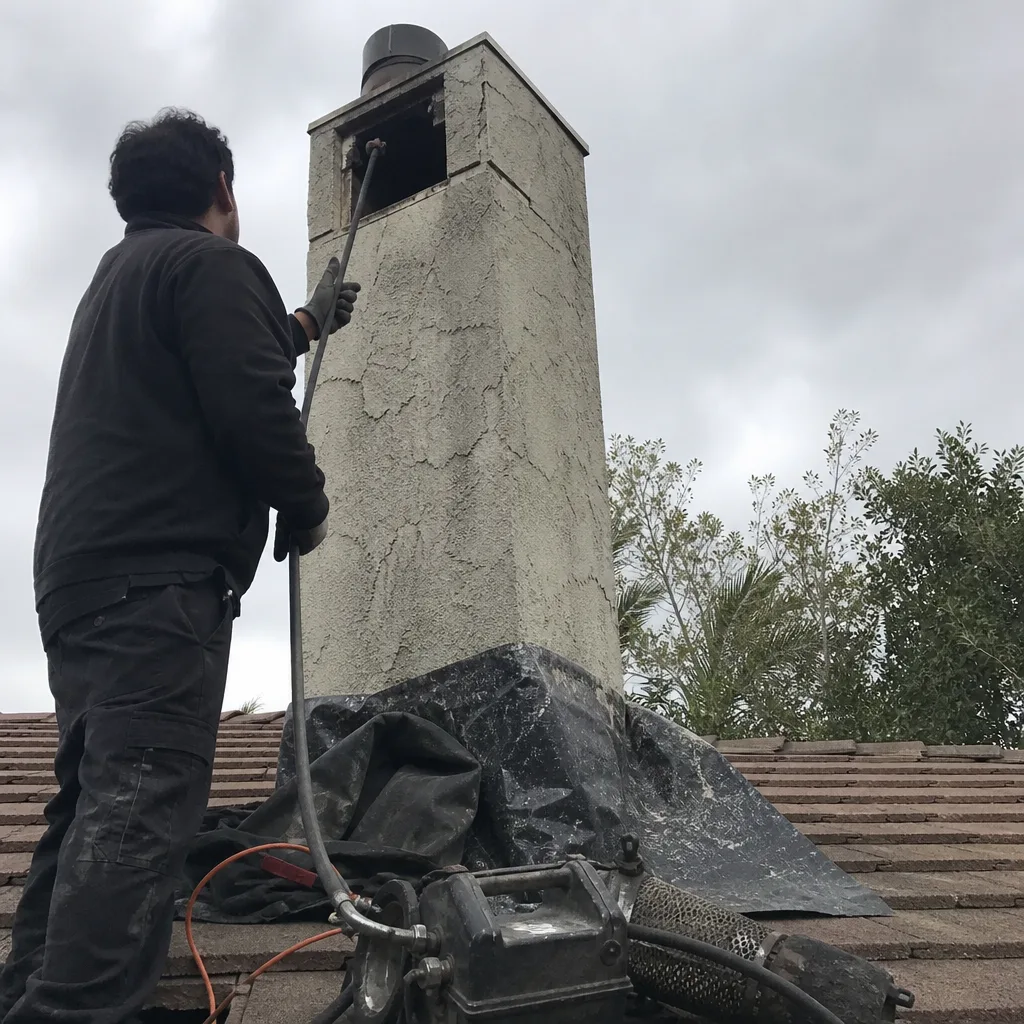 Before
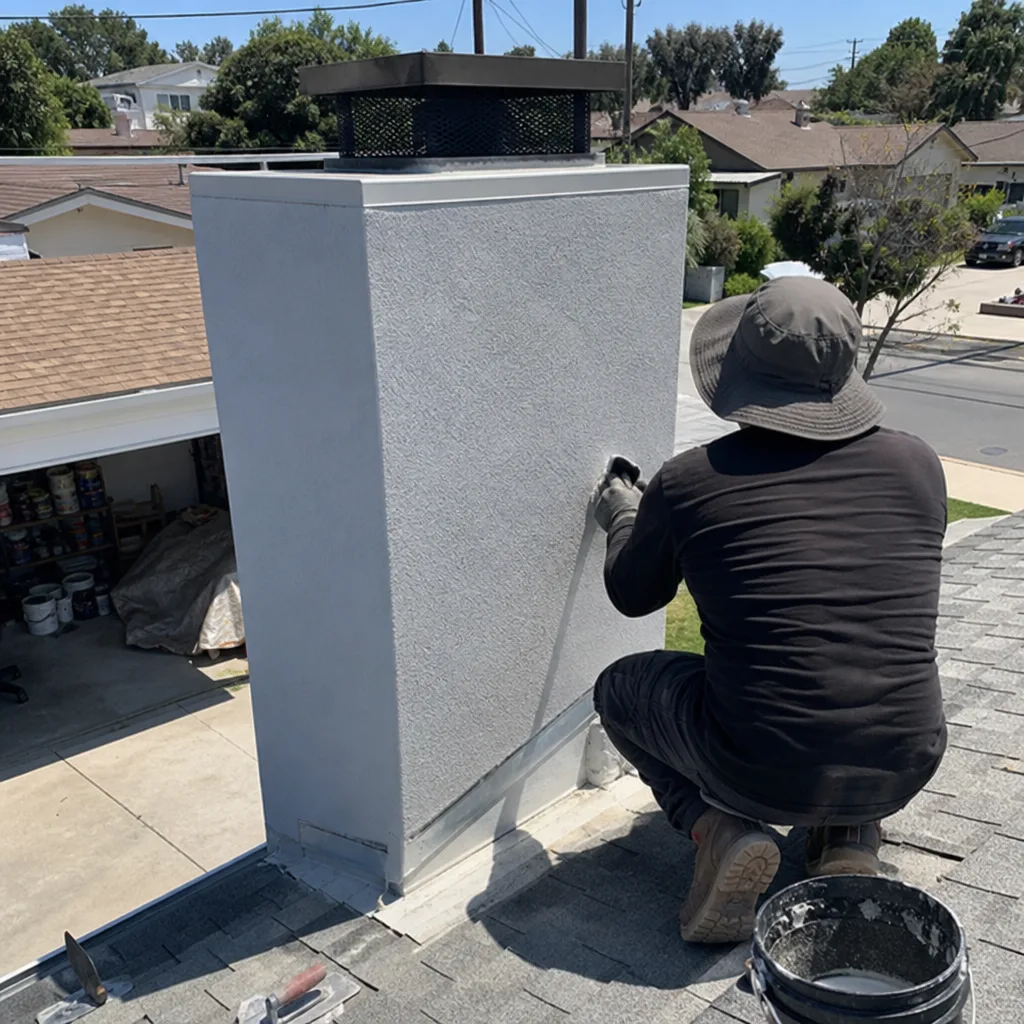 After
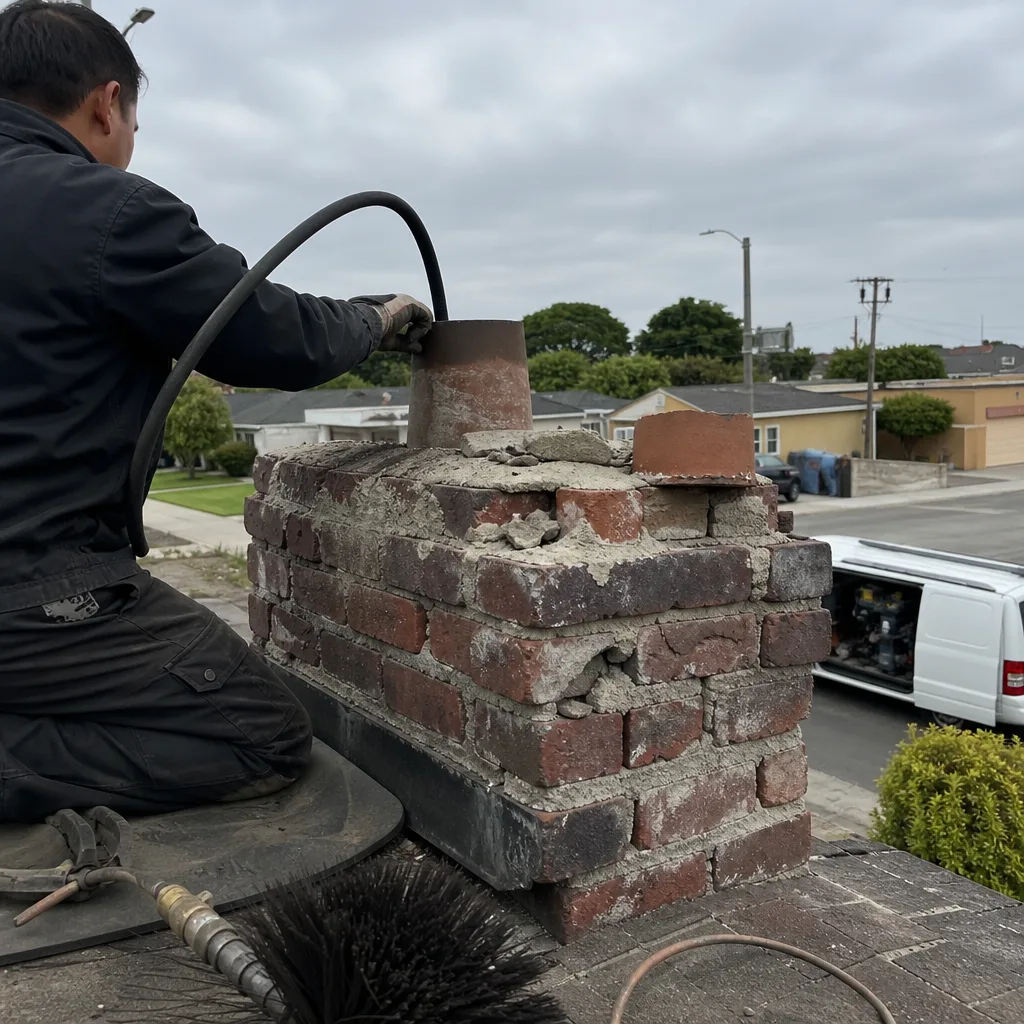 Before
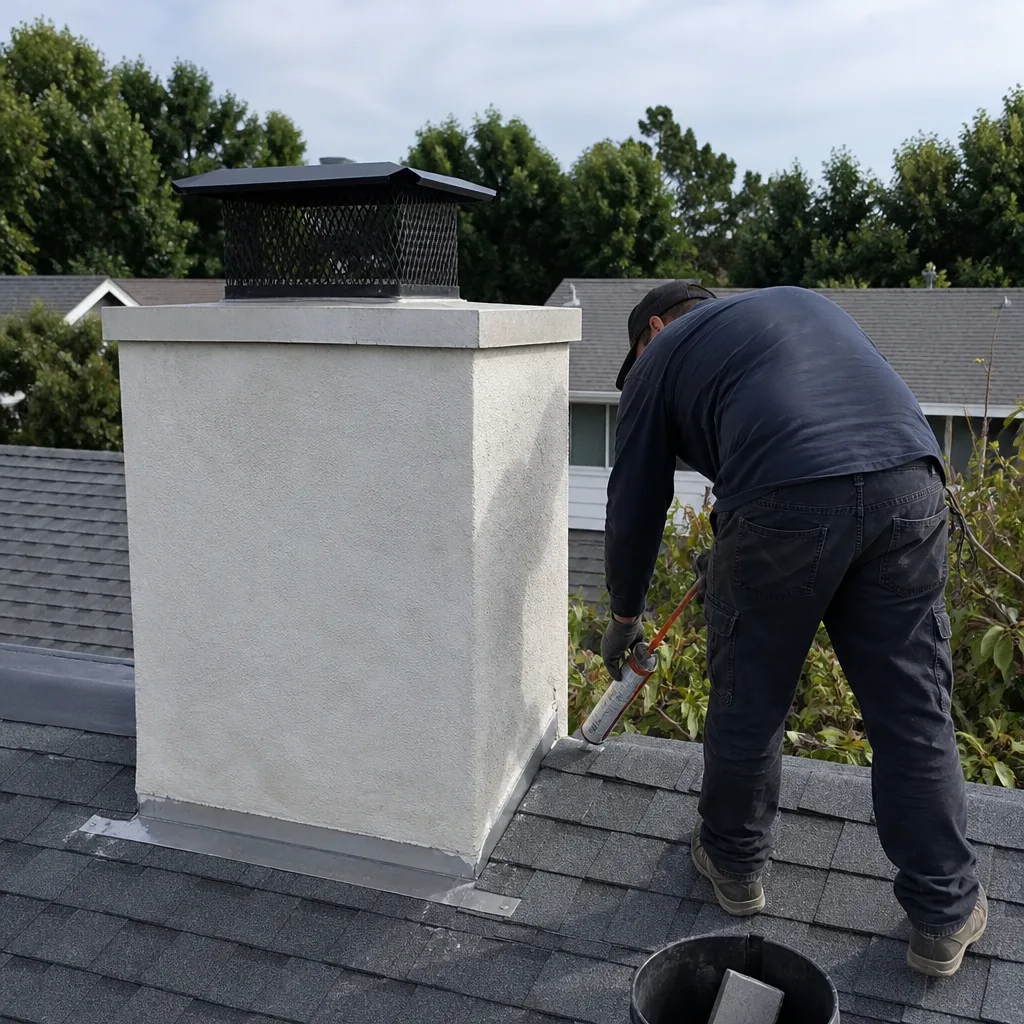 After
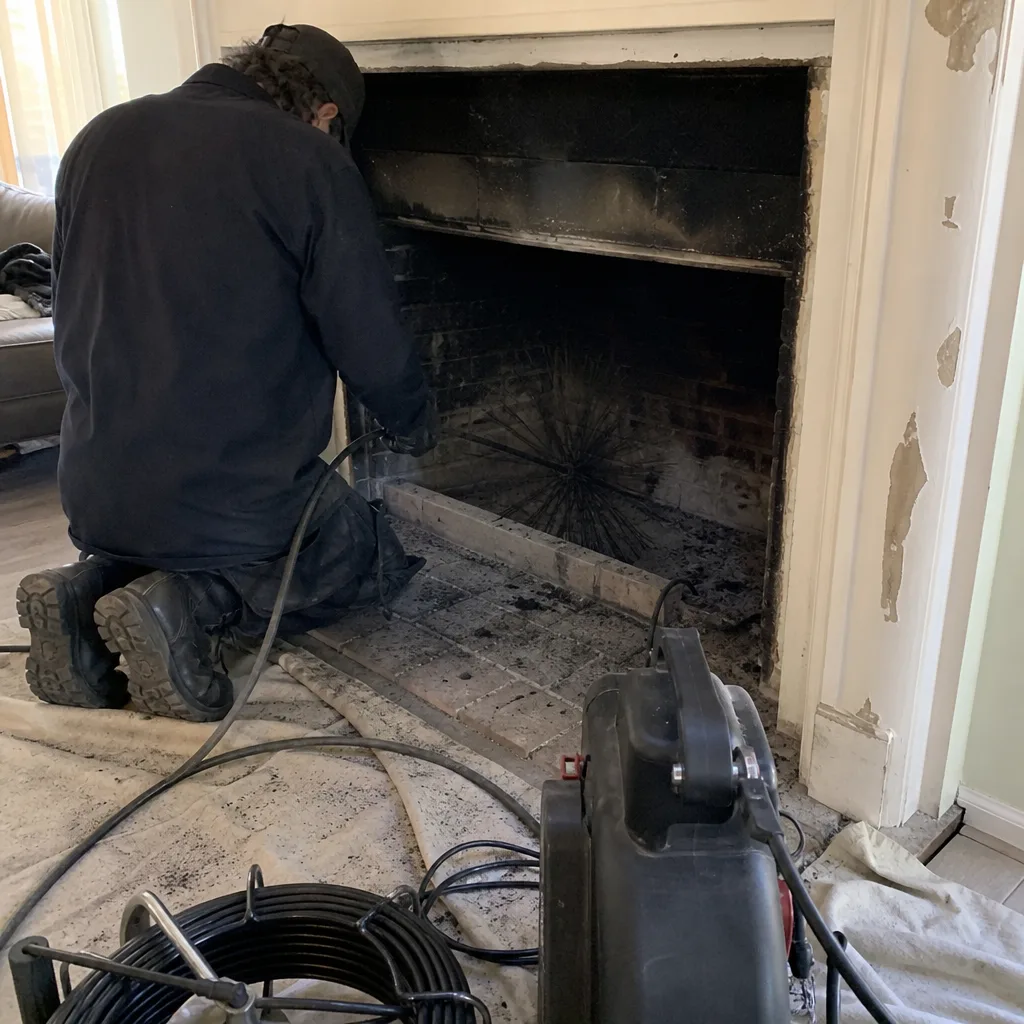 Before
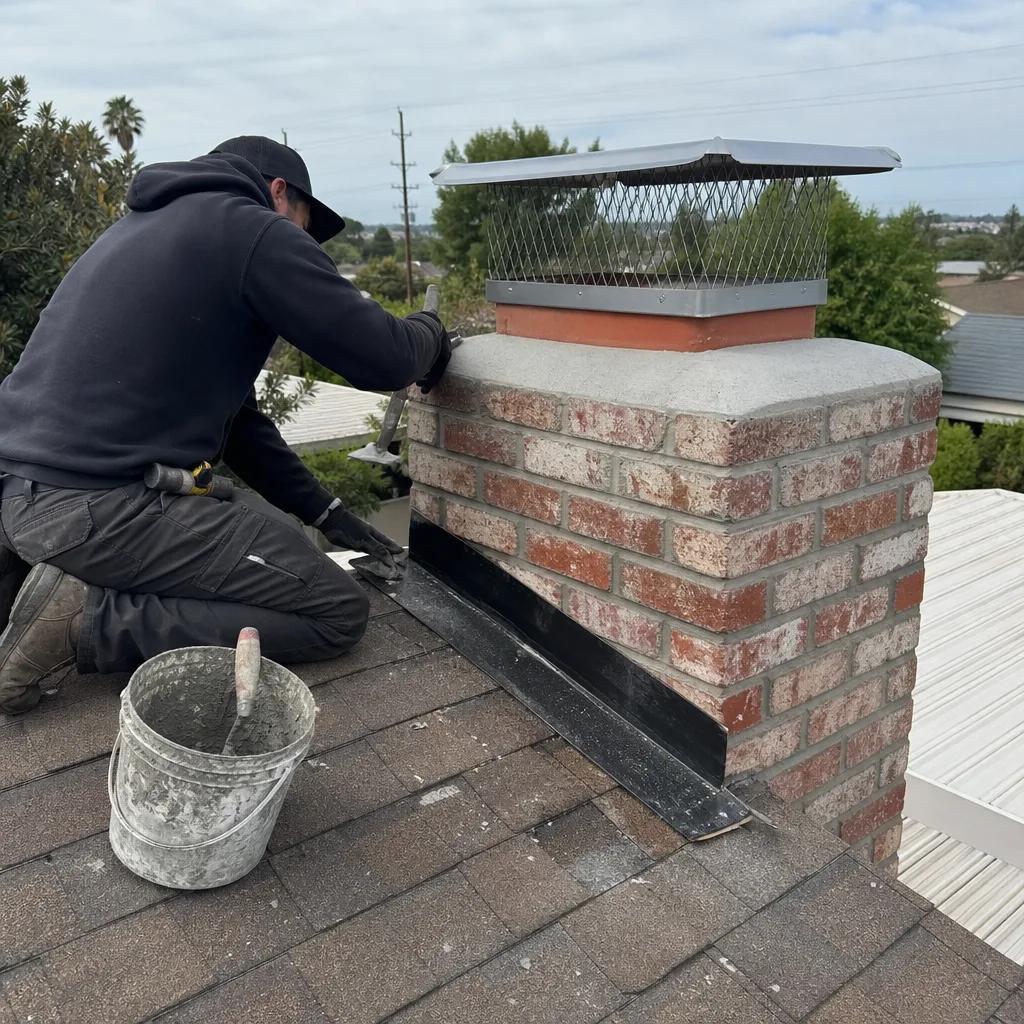 After