
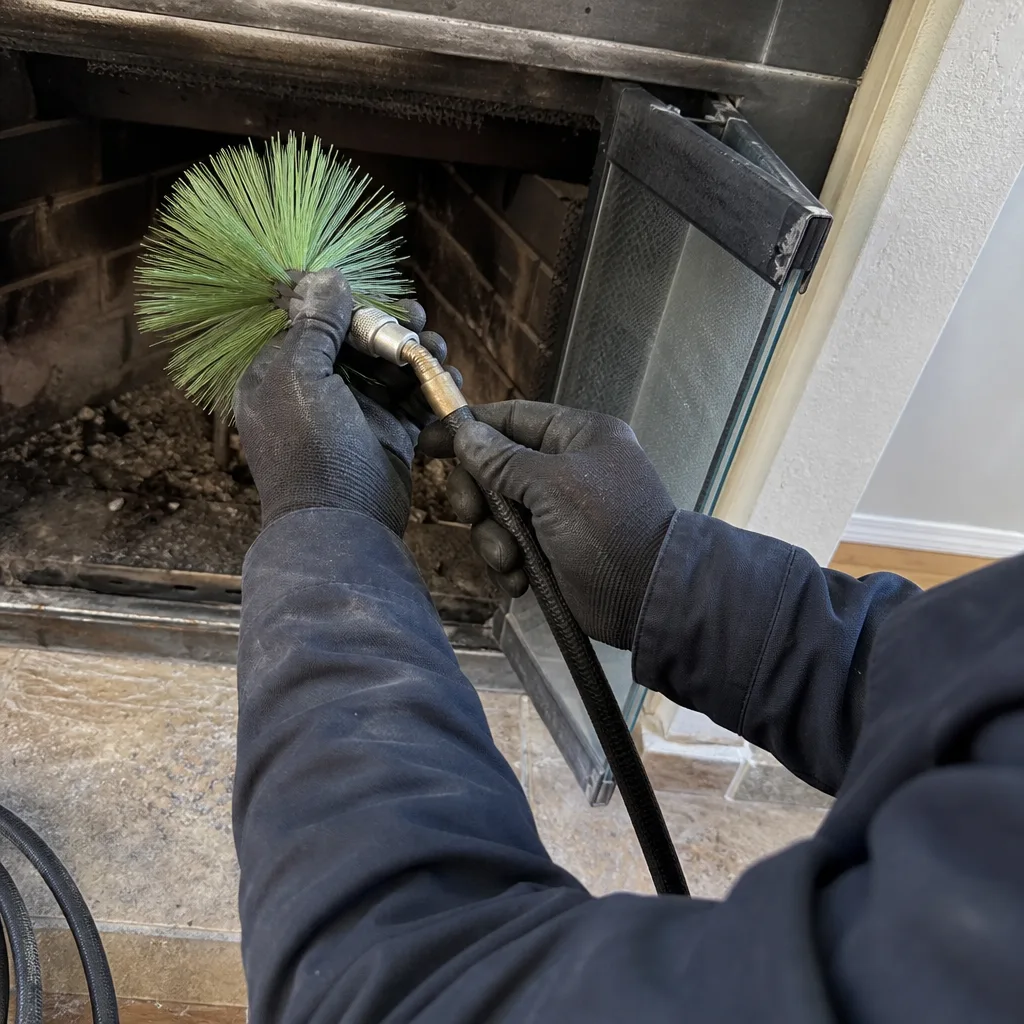
Last updated November 2, 2026
 Sweep & inspection
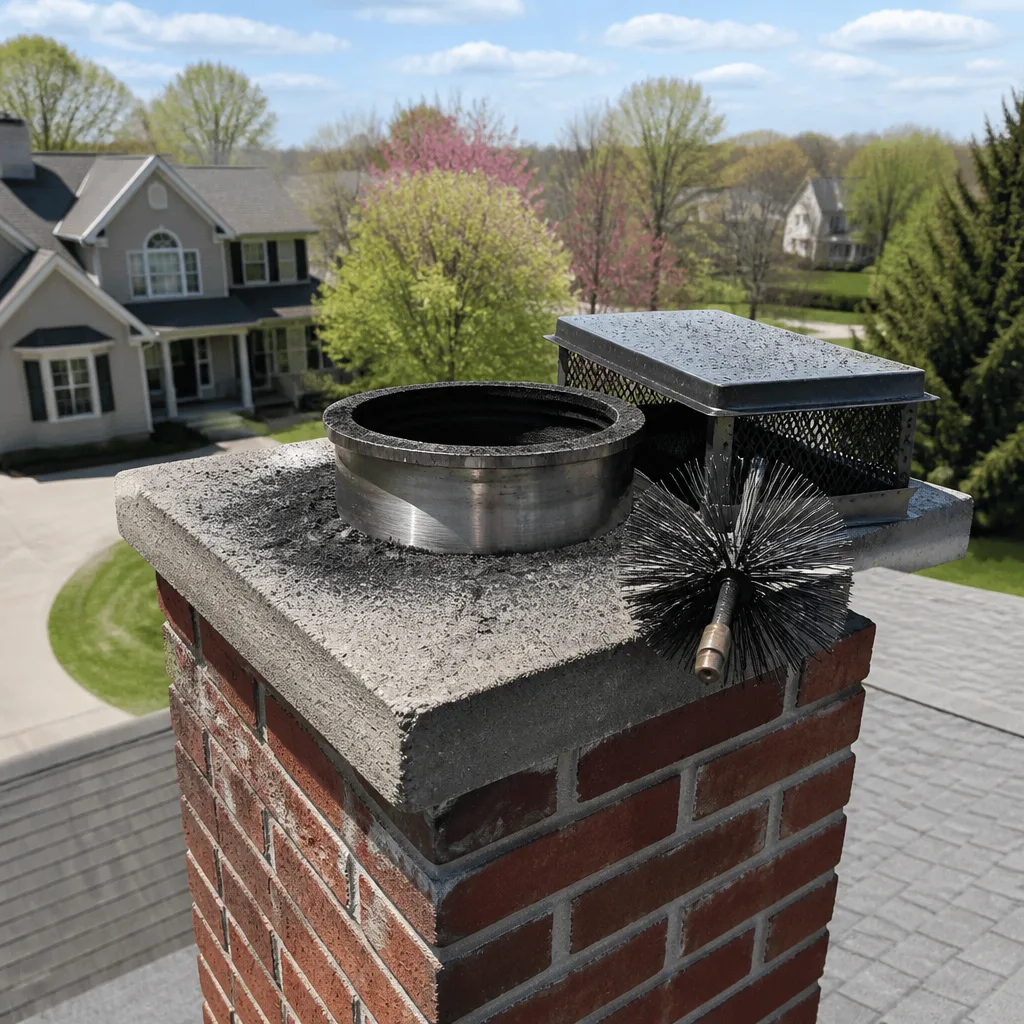
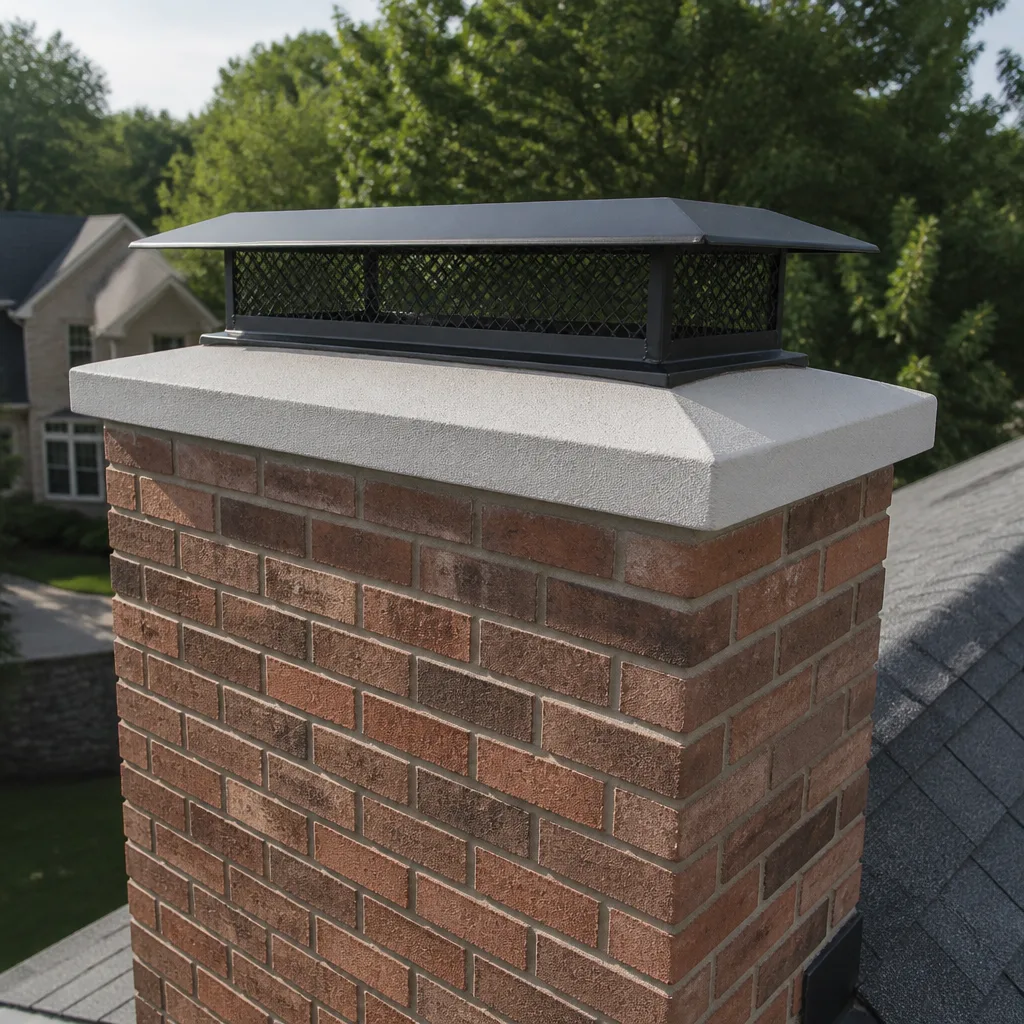 Caps & crowns
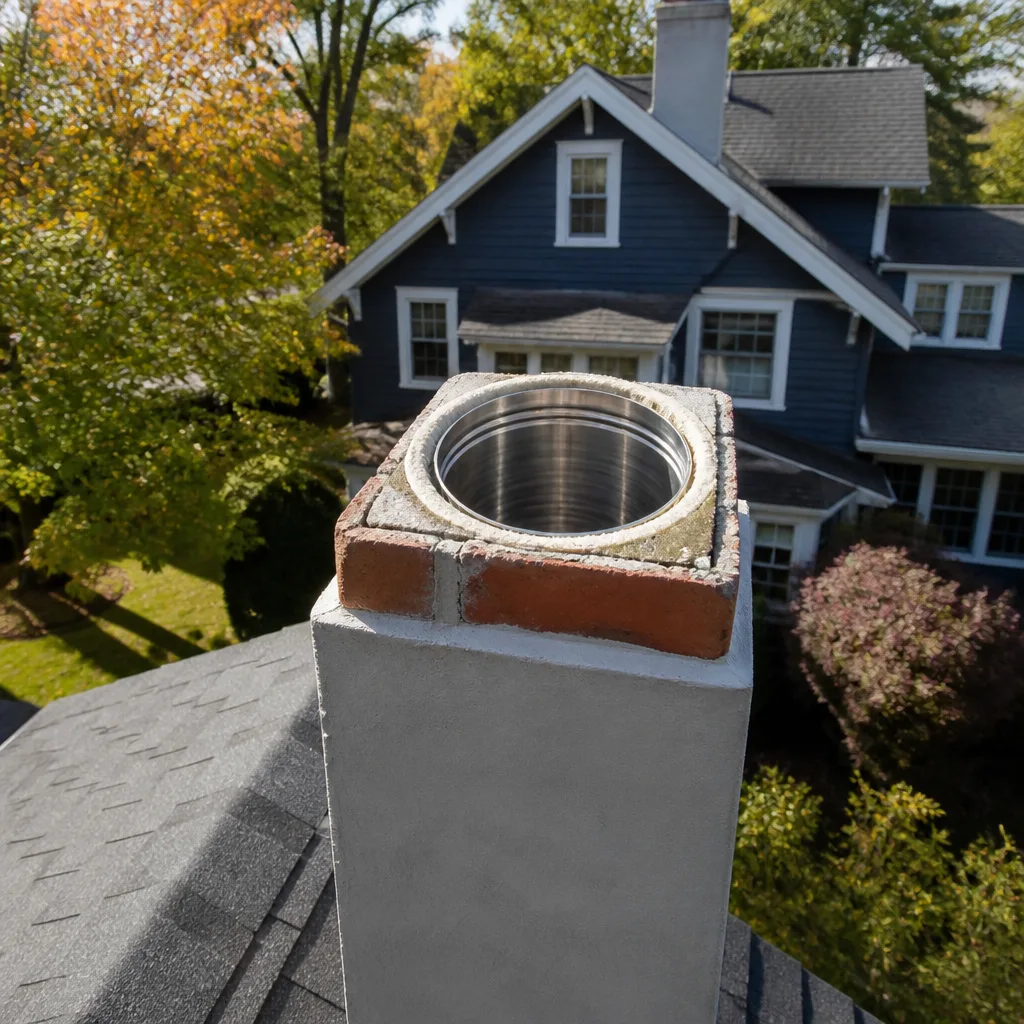 Flue relining
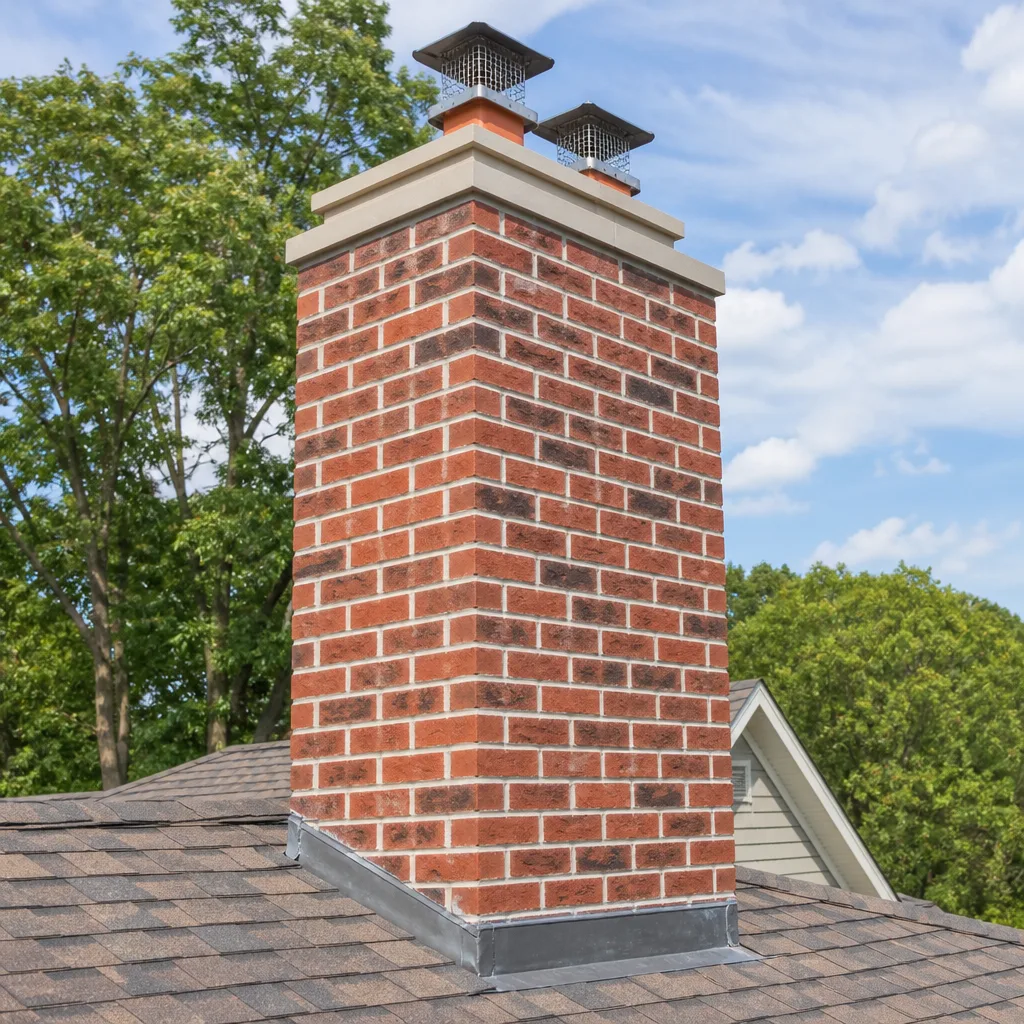 Masonry repair
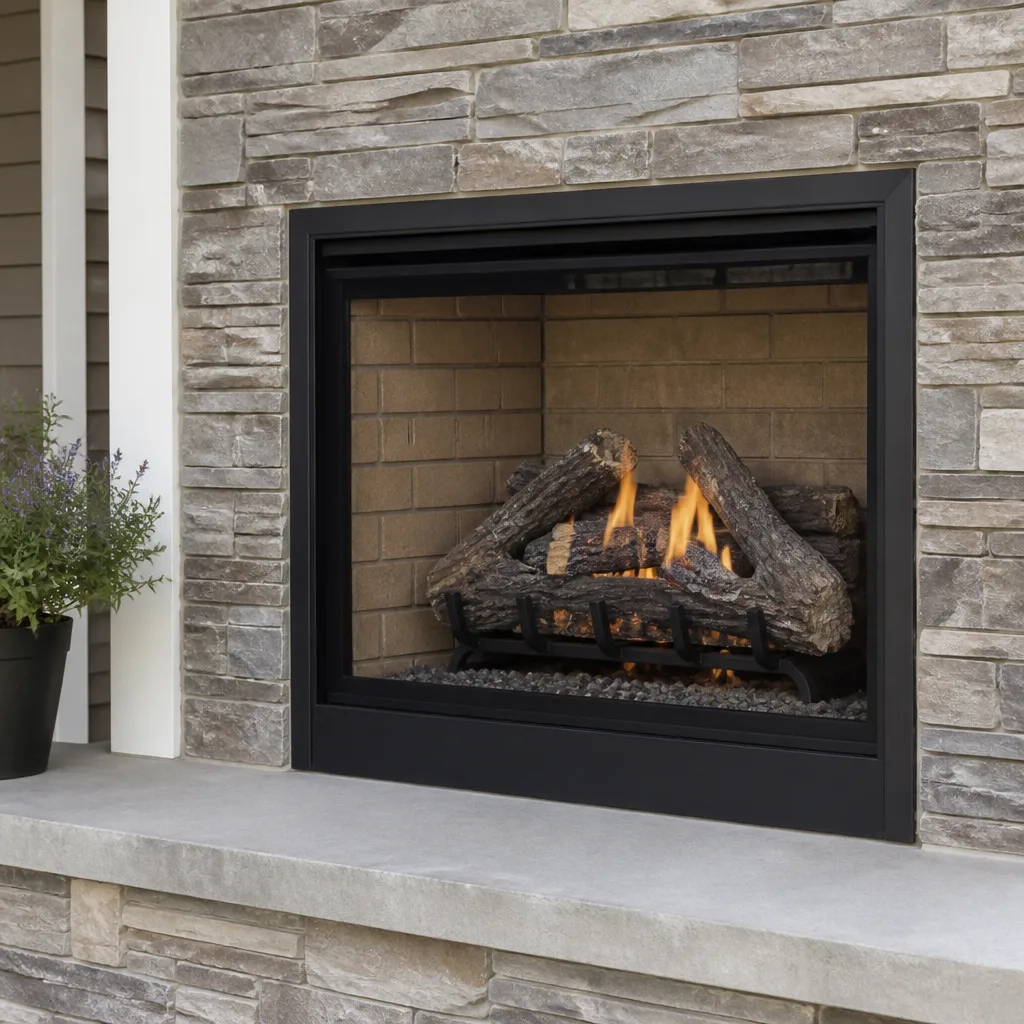 Gas fireplace service
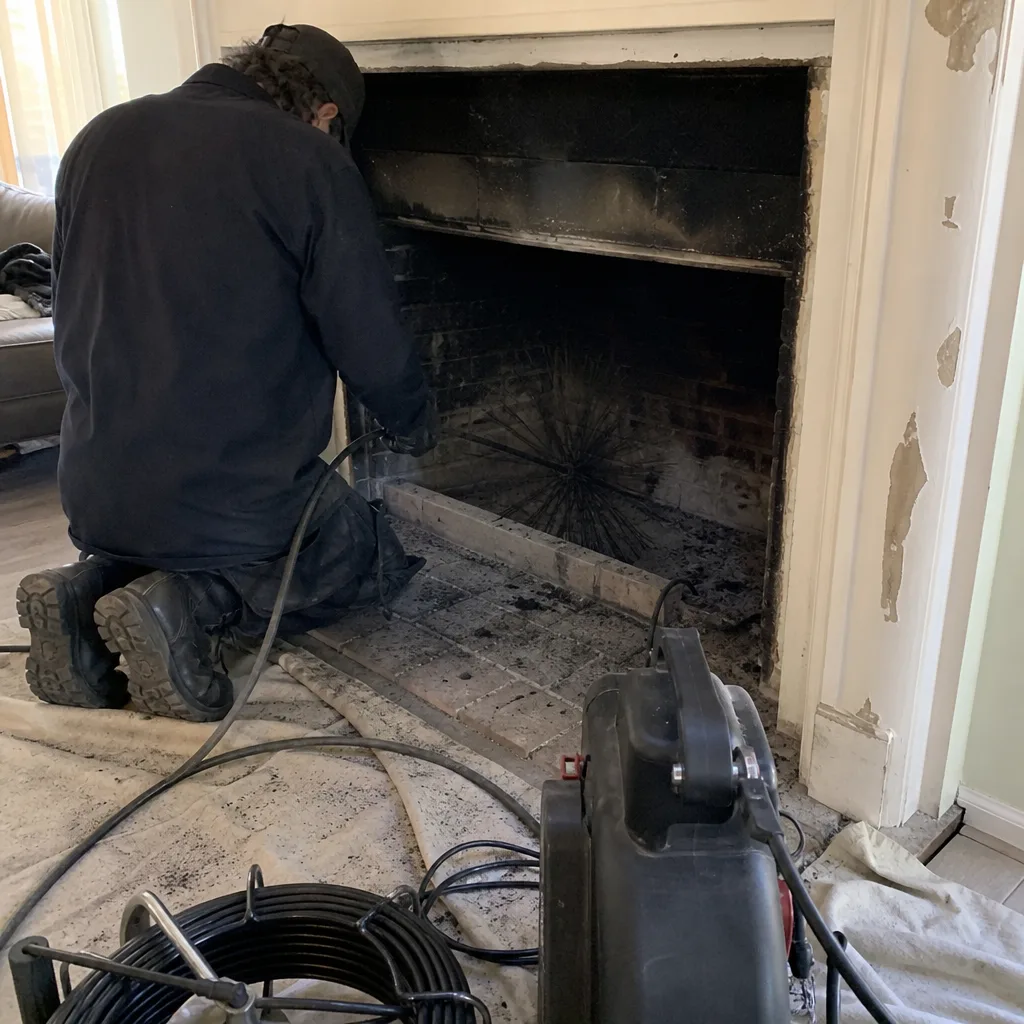
Level 1 sweep and inspection to the NFPA 211 annual standard - flue, crown, cap, and flashing checked and photographed
Chimney sweep logs do not sweep chimneys. They loosen some creosote - which then falls where a brush and vacuum still have to collect it.
Chimney Cleaning Permits, Codes & Inspections in CA: What You Need to Know
A routine chimney sweep in Carson doesn’t require a permit, and that single sentence has probably caused more confusion than any other rule in residential fire safety. The sweep itself is maintenance, like changing your furnace filter. But what a sweep frequently uncovers, a cracked flue liner, a deteriorated firebox, a chase that’s pulling away from the house, often does trigger California permit requirements. Homeowners who don’t understand where that line sits can end up with unpermitted work on their property, and years later that quiet omission becomes a flagged defect at resale, a denied insurance claim after a fire, or a buyer’s attorney asking questions nobody wants to answer. This guide maps California’s Title 24, Carson’s municipal code, and NFPA 211 to the real scenarios a Carson homeowner encounters before and after a standard chimney cleaning, and points to Chimney Cleaning Warning Signs: A Carson Homeowner’s Reference Guide for more detail.
Quick Answer
Chimney cleaning in California generally does not require a permit because it’s classified as routine maintenance, not construction. However, structural repairs uncovered during cleaning, such as liner replacement, firebox reconstruction, or chase rebuilds, do require permits issued through the City of Carson or Los Angeles County. A Level 2 chimney inspection is code-required before any California home sale, and unpermitted chimney work can void insurance coverage after a fire and create title defects at resale.
Styles & brands we work with
- Sweep & inspection
- Caps & crowns
- Flue relining
- Masonry repair
- Gas fireplace service
Table of Contents
- What California’s Title 24 and NFPA 211 Actually Govern
- When a Chimney Repair in Carson Requires a Permit
- Level 2 Inspections: The California Home Sale Requirement
- How to Verify a Contractor Pulled the Correct Permit in Carson
- The Real Cost of Unpermitted Chimney Work
- What a Sweep Actually Finds in Carson Chimneys
- Insurance, Code Compliance, and Your Policy
- Common Mistakes to Avoid
- When to Call a Professional
- Frequently Asked Questions
What California’s Title 24 and NFPA 211 Actually Govern
Most homeowners have never cracked open the California Code of Regulations, and that’s understandable. But there’s a practical distinction that matters when you’re standing in your living room looking at a sweep’s camera feed and trying to decide whether the work being proposed is legitimate. California’s Title 24, specifically the California Building Standards Code, is law. It sets the minimum requirements for construction, alteration, and repair of buildings, including chimneys. When a chimney flue is relined, a firebox is rebuilt, or a chase is reconstructed, Title 24 governs how that work must be done and triggers the permit process under the California Building Code.
NFPA 211, by contrast, is not law in California. It’s a standard published by the National Fire Protection Association, and it has been adopted by reference into many local ordinances and is routinely cited by insurance companies as the benchmark for proper chimney construction and maintenance. NFPA 211 is the document that establishes the “Level 1, Level 2, Level 3” inspection framework that every reputable chimney company in Carson follows. It’s also the source of the rule that any chimney serving a solid-fuel appliance should be inspected annually and cleaned when creosote accumulation reaches 1/8 inch. Building inspectors in Los Angeles County regularly reference NFPA 211 when evaluating whether an existing chimney is safe to remain in service.
Where the two rule sets interact is where homeowners get tripped up. A cleaning removes creosote, which prevents chimney fires, which satisfies the maintenance intent of NFPA 211, and no permit is needed. But if that cleaning reveals that the flue liner has cracked, and the fix is a HeatShield resurfacing or a DuraFlex stainless steel reline, you’ve now crossed from maintenance into modification. The permit trigger comes from the building code, not the fire protection standard. In Carson, where thousands of homes were built between the 1950s and 1970s, a large portion of the housing stock has original clay tile liners that are now decades past their intended service life. That means the cleaning-to-repair crossover is not a rare edge case here; it’s a routine outcome of older housing stock meeting modern inspection standards.
When a Chimney Repair in Carson Requires a Permit
Carson operates under Los Angeles County building codes, with the City of Carson Building and Safety Division handling permits for residential work within city limits. The rule of thumb that resolves most confusion is this: if the repair involves replacing or structurally modifying a component of the chimney system rather than cleaning or sealing it, assume a permit applies until you’ve confirmed otherwise. Three categories cover almost all chimney work in Carson that crosses the permit threshold.
Liner replacement or relining. When the flue liner, the vertical passage that carries smoke and combustion gases out of the house, is cracked, spalled, or missing sections, the fix requires either a resurfacing system like HeatShield or a full reline with a product like DuraFlex stainless steel. Both are structural modifications to the chimney system. A permit is required. This is the most common permit-triggering repair in Carson because clay tile liners in 50 to 70 year old homes have simply reached the end of their serviceable life. The work itself involves changing the cross-sectional configuration or material of the flue, which is a code-governed alteration, not a maintenance task.
Firebox reconstruction. The firebox is the chamber where the fire actually burns. When mortar joints have eroded to the point that bricks are loose, or the firebrick has cracked from repeated thermal cycling, rebuilding the firebox changes the structural and thermal characteristics of the fireplace. That’s a permit-required repair. The inspector will want to verify that the new firebrick and refractory mortar meet current code standards for clearances to combustibles, which older construction often failed to satisfy.
Chase rebuilds. A chase is the framed enclosure, usually wood or steel studs with a stucco or siding exterior, that surrounds a factory-built or prefabricated chimney. In Carson’s marine-influenced climate, where morning fog and salt air work on exterior building materials year-round, chase deterioration is common. If the chase is pulling away from the structure, has rotted framing, or has failed to the point that water is entering the chimney cavity, reconstruction triggers a permit. A partial repair that replaces only siding or flashing may not, but any time structural framing is involved, the permit line has been crossed.
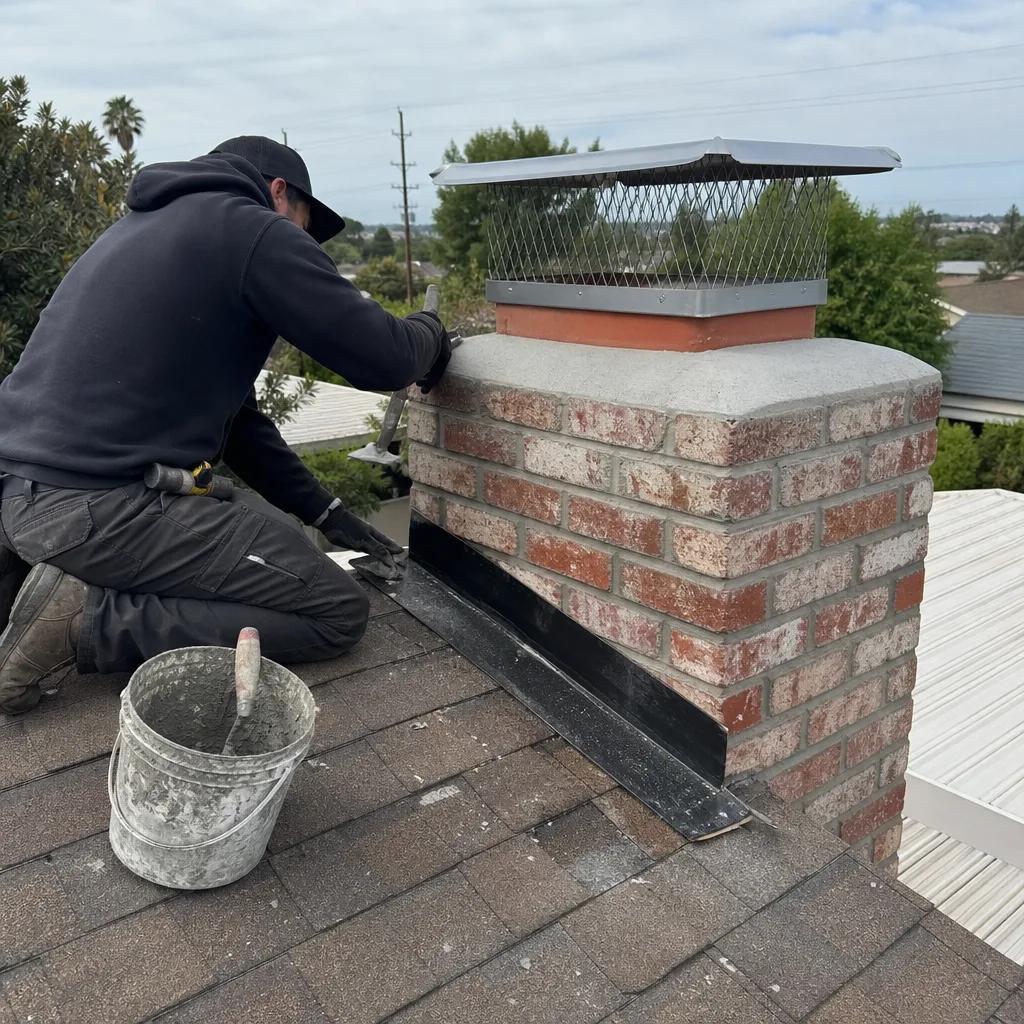
What does not require a permit in Carson includes routine sweeping, basic inspection, minor repointing of the exterior crown, replacing a rain cap, installing a new damper that fits the existing opening, and repairing flashing at the roof line. These are maintenance activities. The moment the conversation shifts from “clean and certify” to “repair or replace,” the homeowner should ask the contractor to confirm, in writing, whether a permit applies to the specific scope.
Level 2 Inspections: The California Home Sale Requirement
California is one of the few states where chimney inspection standards are baked into the real estate transaction process as a practical matter. The California Residential Purchase Agreement, the standard contract used by the California Association of Realtors, does not itself mandate a chimney inspection. But home inspectors in California are trained to evaluate visible chimney conditions, and lenders, particularly FHA and VA, have their own chimney requirements. More importantly, NFPA 211’s Level 2 inspection standard has become the de facto benchmark that buyer’s agents, sellers, and escrow officers reference when a fireplace is present in a home being sold. A Level 2 inspection is specifically designed for when a property changes ownership, and it’s more involved than the Level 1 inspection done during routine annual maintenance.
A Level 2 inspection includes everything in a Level 1 plus inspection of accessible areas of the chimney structure, including the attic, crawlspace, and exterior. The inspector uses video scanning equipment to evaluate the interior of the flue from top to bottom. This is where the problems that trigger permits typically surface. A home sale in Carson that involves a wood-burning fireplace, and a large share of pre-1980 homes here have them, will almost always include a chimney inspection as a contingency item or as part of the general inspection report. Sellers who have done pre-listing chimney sweeping and gotten a clean report are in a much stronger position than sellers who are discovering flue damage during the transaction.
What this means in practice for a Carson seller is that pre-listing chimney work should be done with the Level 2 standard in mind. If a sweep uncovers a cracked liner, the seller faces a choice: disclose it and either repair with permit or sell “as is” with an inspection report that flags the defect. Disclosed defects that remain unrepaired will be priced into the buyer’s offer. Undisclosed defects that surface during the buyer’s inspection become renegotiation points. Undisclosed defects that surface after close become legal problems. The permit requirement isn’t just about legal compliance during construction; it’s about creating a paper trail that proves the chimney was repaired to code, which is exactly what a buyer’s inspector and the buyer’s lender want to see.
How to Verify a Contractor Pulled the Correct Permit in Carson
“We handle the permits” is a phrase that should always be confirmed in writing, because it means different things depending on the contractor. Some contractors mean they will obtain the permit, schedule the inspection, and ensure the work passes. Others mean the homeowner is responsible for the permit, and the contractor will do the work once it’s issued. And a small number mean nothing at all, which is where the trouble starts. In Carson, the homeowner can verify permit status directly through the City of Carson Building and Safety Division’s public permit portal.
Here’s the verification process, step by step:
- Ask the contractor for the specific repair scope in writing before work begins. If liner replacement, firebox work, or chase reconstruction is in the scope, the scope should say so explicitly.
- Ask whether the contractor will pull the permit as part of the contract or whether the homeowner is responsible for pulling it. Get the answer in the written estimate or contract, not just verbally.
- If the contractor says a permit is not required for work that sounds structural, check with the City of Carson directly. Building and Safety can confirm whether the proposed scope falls under the permit threshold.
- If a permit is required, confirm the permit number before work starts. Every permit issued in Carson has a unique number, and a legitimate contractor will provide it without hesitation.
- Verify the permit is active through the city’s online portal or by calling Building and Safety. An inactive or expired permit means the work is not currently authorized.
- Confirm that a final inspection is scheduled. A building permit isn’t complete until the work passes inspection and the permit is closed out. Open permits are a common closing issue on home sales in Carson because title companies flag any unclosed permits as potential liens or incomplete work.
- Keep the signed permit card or the inspection approval document after the final inspection. This is the proof of compliance that protects you at resale.
Contractors who resist this process or suggest that a permit would “only complicate things” for work that clearly falls within the permit-required categories should not be hired. A legitimate chimney company in Carson will have built permit compliance into its workflow because a failed inspection or an open permit creates problems that follow the homeowner for years. At Chimney Sweep Carson, we recommend homeowners treat permit verification as part of the quote process, not an afterthought, and consult our Chimney Sweep Maintenance Checklist for Carson Homeowners to stay organized. If the permit should exist, it needs to be in writing before work begins.
The Real Cost of Unpermitted Chimney Work
The consequences of unpermitted chimney work in Carson are not theoretical. They fall into three categories, and each one is expensive in a different way.
Insurance claim denial. Homeowners insurance policies generally exclude coverage for damage caused by unpermitted or code-violating work. If a chimney fire occurs and the investigation determines that the fire originated in a flue liner that was replaced without a permit, the insurer can deny the claim. The homeowner is then responsible for the full cost of rebuilding, which in California routinely runs six figures. This is the most financially devastating consequence because it typically happens at exactly the moment the homeowner needs the policy to perform. A permitted repair creates a documentation trail that the work was inspected and approved, which is powerful evidence if a fire investigator ever asks questions.
Title issues at resale. Title companies in Los Angeles County run permit searches as standard practice. Unpermitted work that should have been permitted shows up as a red flag on the title report. The seller is then required to either retroactively permit the work, which can require opening walls or exposing the chimney structure so an inspector can verify compliance, or disclose the unpermitted work and accept a reduced sale price. In a market like Carson’s, where homes move quickly and buyers are well-represented, unpermitted chimney work is a bargaining chip that favors the buyer every time. A liner replacement completed without a permit isn’t just a code violation; it’s an undisclosed material defect that a home inspector will flag and a buyer’s attorney will notice.
Personal liability exposure. If a homeowner sells a home with unpermitted chimney work and does not disclose it, and the chimney later causes a fire, the buyer can pursue the seller for damages. California law imposes a duty on sellers to disclose known material defects, and unpermitted work that bears on fire safety is unambiguously material. The seller’s defense depends on being able to say they didn’t know, which is difficult when the work was contracted and paid for by that same seller. The costs here include not just the buyer’s damages but legal fees, which can rapidly exceed the original cost of the repair itself.
Permit fees in Carson are modest compared with these exposures. A building permit for chimney work typically costs a few hundred dollars depending on the valuation of the work. The permit is one of the cheapest insurance policies a homeowner can buy, and skipping it is one of the most expensive mistakes available.
What a Sweep Actually Finds in Carson Chimneys
In our experience working on Carson homes, the findings from a standard cleaning tend to cluster into a predictable set. Homes built before 1980, which make up a large portion of Carson’s housing stock, originally had clay tile liners. Those liners absorb heat and expand at a different rate than the surrounding masonry. Over four or five decades of thermal cycling, the tiles crack. Sometimes the cracking is superficial. More often, it’s not. When the camera goes down the flue and the screen shows a vertical crack running through multiple tile sections, the fix is a HeatShield resurfacing or a DuraFlex reline, both of which are permit-triggering repairs.
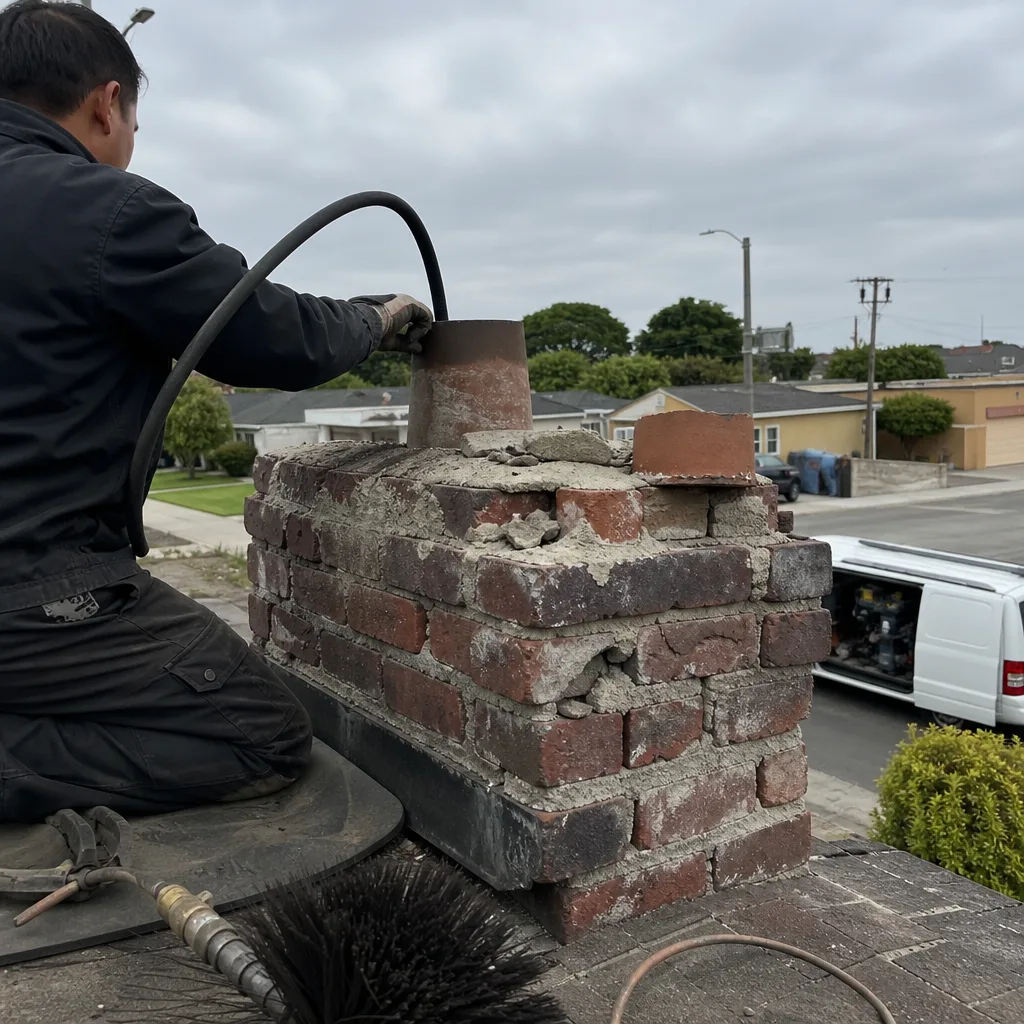
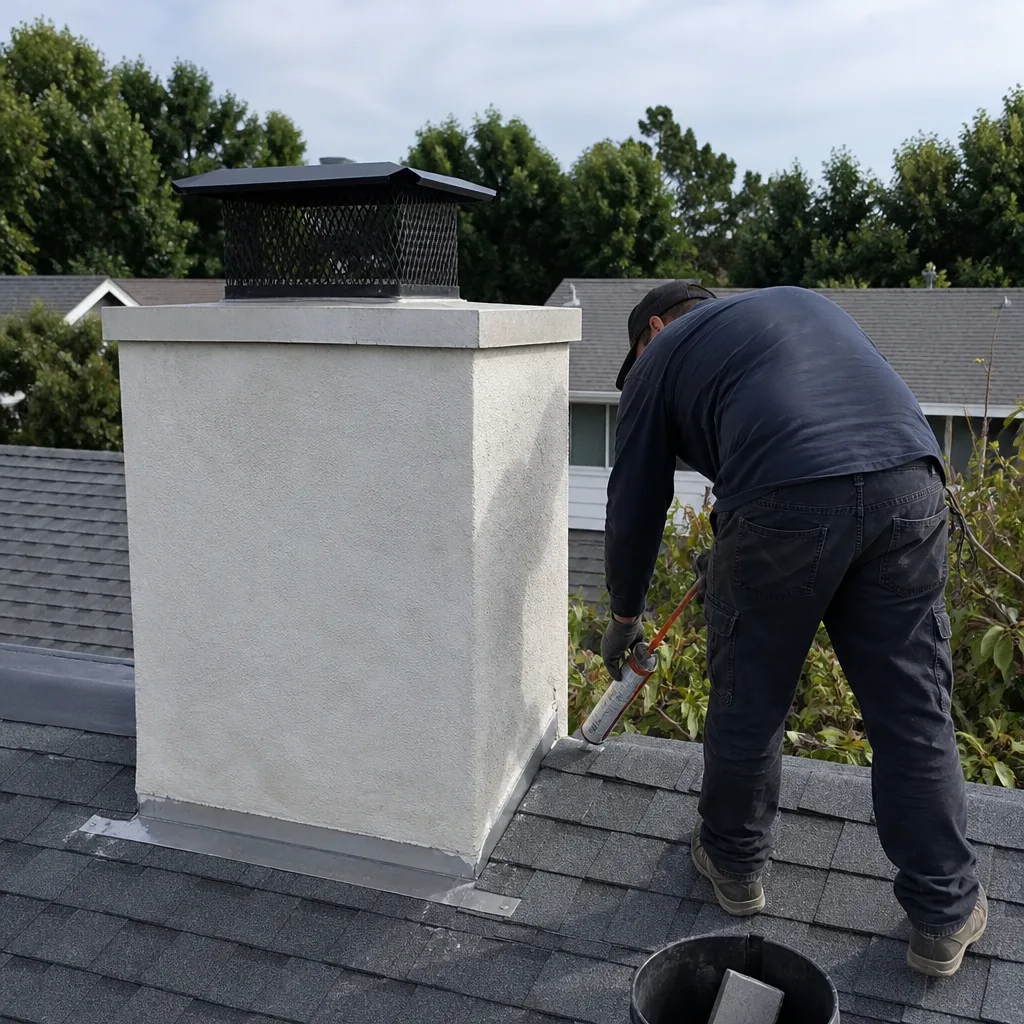
The second most common finding is deteriorated crown mortar. The crown is the concrete or mortar cap at the top of the chimney, and in Carson’s coastal climate, it’s the first thing to go. Ocean air, morning fog, and UV exposure work on the crown’s mortar joints until water starts getting into the chimney chase or the masonry below. Crown repair alone, meaning repointing and sealing, typically does not require a permit. Full crown reconstruction, where the old crown is demolished and re-poured, often does, because it’s structural work that changes the water-shedding profile of the chimney.
The third cluster is firebox degradation. Even homes where the flue is in decent shape frequently show firebox damage, because the firebox bears the direct thermal stress of every fire. Loose firebrick, eroded refractory mortar, and cracked panels are all common. Full firebox rebuilds trigger permits; minor repointing of the firebox floor often doesn’t.
For Carson homeowners, the practical takeaway is that a standard sweep is not just a cleaning. It’s a diagnostic event. The sweep’s camera inspection is the first time most homeowners have ever seen the interior of their flue, and what it shows often determines whether the next call is to a repair contractor or to the city’s permit counter. We tell homeowners exactly what we found, what it means, and what fixing it requires. No upsell theater. The camera doesn’t lie, and a homeowner who has seen the crack on the screen is in a much better position to evaluate the repair recommendation.
Insurance, Code Compliance, and Your Policy
Homeowners insurance in California is in a state of transition, with several major carriers reducing their exposure to wildfire-prone areas and making underwriting standards stricter across the board. Even in Carson, which is not a high wildfire zone in the way that hillside communities are, insurers are asking more questions about the age and condition of building systems, including chimneys. A homeowner who has maintained a documented chimney inspection history is in a stronger position than one who cannot show any maintenance at all.
The practical insurance rules that apply to Carson chimneys are these: first, keep records of every inspection and cleaning, including the date, the company, and what was found. A paper trail of annual maintenance is evidence that the homeowner has met the standard of care that insurers expect. Second, if a repair is done, keep the permit paperwork and the inspection approval in the same file. If a fire investigator ever asks whether the chimney had been properly repaired, the answer is in that file. Third, understand that insurance policies typically exclude damage caused by “wear and tear” or “lack of maintenance.” A chimney that hasn’t been cleaned in years and then catches fire may be denied on those grounds even if no repair work was ever done. The maintenance obligation is continuous, not one-time.
The permit and inspection process exists precisely because chimneys are combustion systems that operate inside wood-framed structures. The code requirements are the minimum threshold for safe operation. Insurance companies know this, and they write their policies accordingly. A homeowner who treats chimney maintenance as optional and permits as red tape is betting against both the fire risk and the claims process. That’s a bet the house usually loses.
Common Mistakes to Avoid
- Assuming a “clean bill of health” from a sweep means the chimney is code-compliant. A Level 1 cleaning inspection is not the same as a code inspection. The sweep can identify issues that trigger permit requirements, but only a building inspector can approve the repair work. These are separate gates, and both need to be passed.
- Accepting a contractor’s verbal assurance that “no permit is needed” without checking. The City of Carson Building and Safety Division answers this question directly. A two-minute phone call resolves the ambiguity. Do not rely on the contractor who has a financial incentive to avoid the permit process.
- Skipping the final inspection after a permitted repair is completed. An open permit is a title defect. The work isn’t done until the inspector signs off and the permit is closed. In Carson’s real estate market, open permits stall closings and give buyers a reason to renegotiate.
- Treating a cracked flue liner as a problem for “next year.” A cracked liner is a fire hazard and a carbon monoxide hazard. The fix is less expensive than the consequence of ignoring it. And once the damage is documented, the homeowner has a duty to disclose it if the home goes on the market.
- Hiring a general handyman for liner work. Liner replacement and resurfacing are specialized tasks that require specific product knowledge. HeatShield certification and DuraFlex installation require training. A contractor who installs these systems incorrectly creates a new code violation on top of the original damage.
- Not keeping permit and inspection records after the work is done. The paperwork is the proof of compliance. When the house sells, when the insurer asks questions, when the fire investigator pulls the file, the paperwork is what protects the homeowner.
- Bundling chimney work with unrelated remodeling to “save money.” The permit for chimney work should be specific to the chimney work. Borrowing a general remodel permit to cover a liner replacement doesn’t create the inspection record that a chimney-specific permit does, and it can be challenged at resale.
When to Call a Professional
Most Carson homeowners should call a chimney professional in three specific situations. First, if it’s been more than a year since the last inspection and the fireplace is used regularly. Annual inspection is the NFPA 211 standard for solid-fuel appliances, and Carson’s older housing stock makes annual inspection more important, not less. Second, if a home sale or purchase is in process. A Level 2 inspection before the transaction closes protects both sides, and a pre-listing inspection protects the seller’s negotiating position. Third, if a standard sweep has uncovered conditions that suggest repair work, because the repair will need to be permitted, and the homeowner wants a contractor who understands that process from start to finish. Chimney Sweep Carson offers free estimates in Carson, call (833) 593-4907 to schedule an inspection or discuss what a prior inspection found.
Frequently Asked Questions
No. Chimney cleaning is classified as routine maintenance under California building codes and does not require a permit in Carson or anywhere in Los Angeles County. The permit threshold is crossed only when the cleaning reveals structural damage that requires repair or replacement of chimney components.
Liner replacement or relining, firebox reconstruction, and structural chase rebuilds all require permits in Los Angeles County. Minor maintenance such as repointing the crown, replacing a rain cap, installing a damper, or repairing flashing generally does not. When the scope changes from cleaning to structural repair, the permit question should be asked directly.
There is no permit for cleaning because no permit is required. For repair work that does require a permit, Carson’s building permit fees are based on the valuation of the work and typically run a few hundred dollars. The exact fee depends on the scope of the repair and is confirmed when the permit is issued.
California law does not explicitly require a chimney inspection before a home sale, but the California Residential Purchase Agreement, lender requirements, and standard home inspection practices make a Level 2 chimney inspection common in nearly every transaction involving a fireplace. A chimney inspection in Carson is effectively a standard contingency item, and its results can materially affect the sale price.
Unpermitted chimney work is flagged during the title search, and the seller is typically required to either retroactively permit the work, which may require exposing the chimney for inspection, or disclose the work and accept a reduced purchase price. Sellers who do not disclose known unpermitted work face personal liability if the chimney later causes damage.
Yes. Both HeatShield resurfacing and DuraFlex stainless relining are structural modifications to the chimney flue, and these repairs require a building permit in Carson. The permit ensures the new liner system meets current code requirements for clearance, sizing, and venting. A repair performed without a permit is vulnerable to insurance denial and title issues.
The Bottom Line
Chimney cleaning in Carson is maintenance, not construction, and no permit is required for the sweep itself. But the line between maintenance and modification is crossed more often than homeowners expect, particularly in older homes with original clay liners. Liner replacement, firebox reconstruction, and chase rebuilds all require permits, and the permit is what protects against insurance denial, title defects, and liability exposure. A Level 2 inspection, the standard for home sales, is the diagnostic tool that surfaces these issues before they become deal-breakers. The practical discipline for any Carson homeowner is simple: get the inspection, understand what the camera shows, permit the work that needs permitting, and keep the paperwork. For more guides & resources, visit our blog. The chimney that never gets a second thought is the one that causes the most problems when it finally does.
Written by the team at Chimney Sweep Carson, serving Carson since 2014.
See the difference
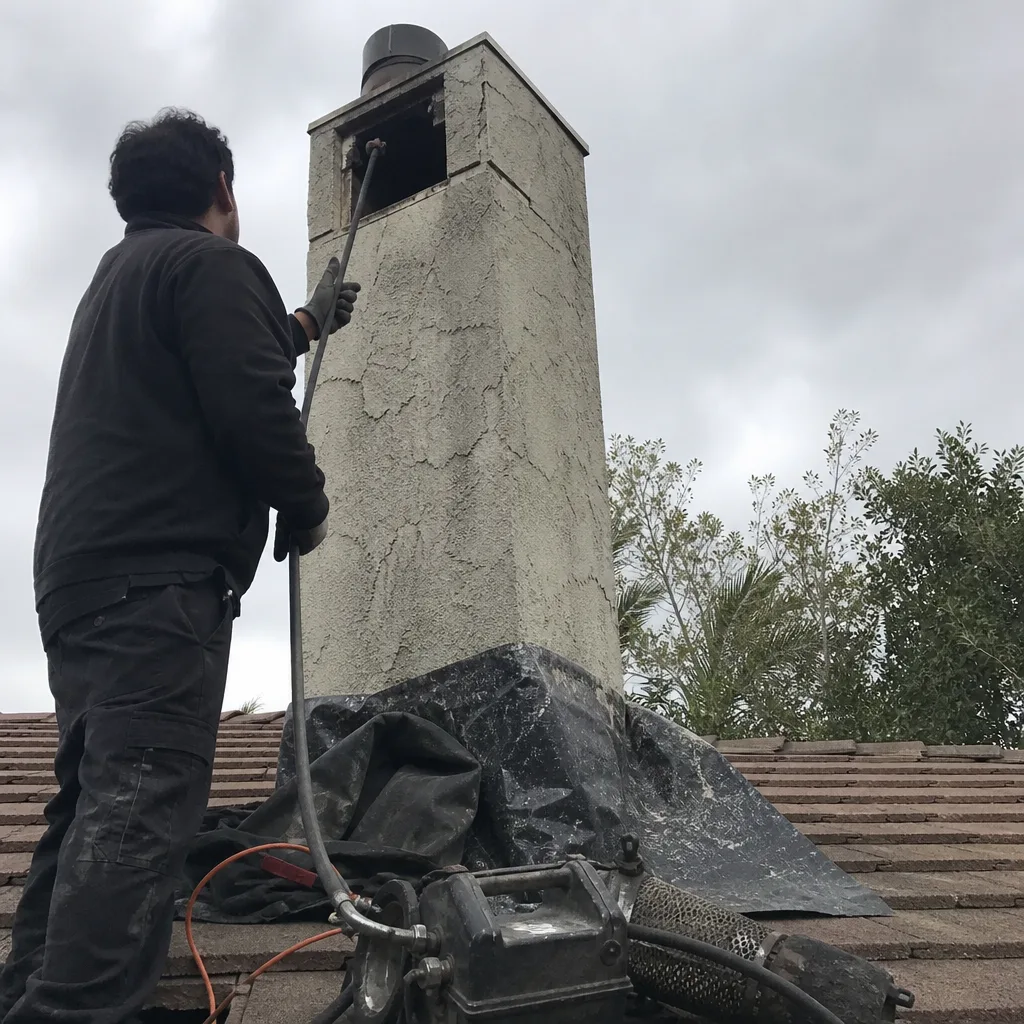 Before
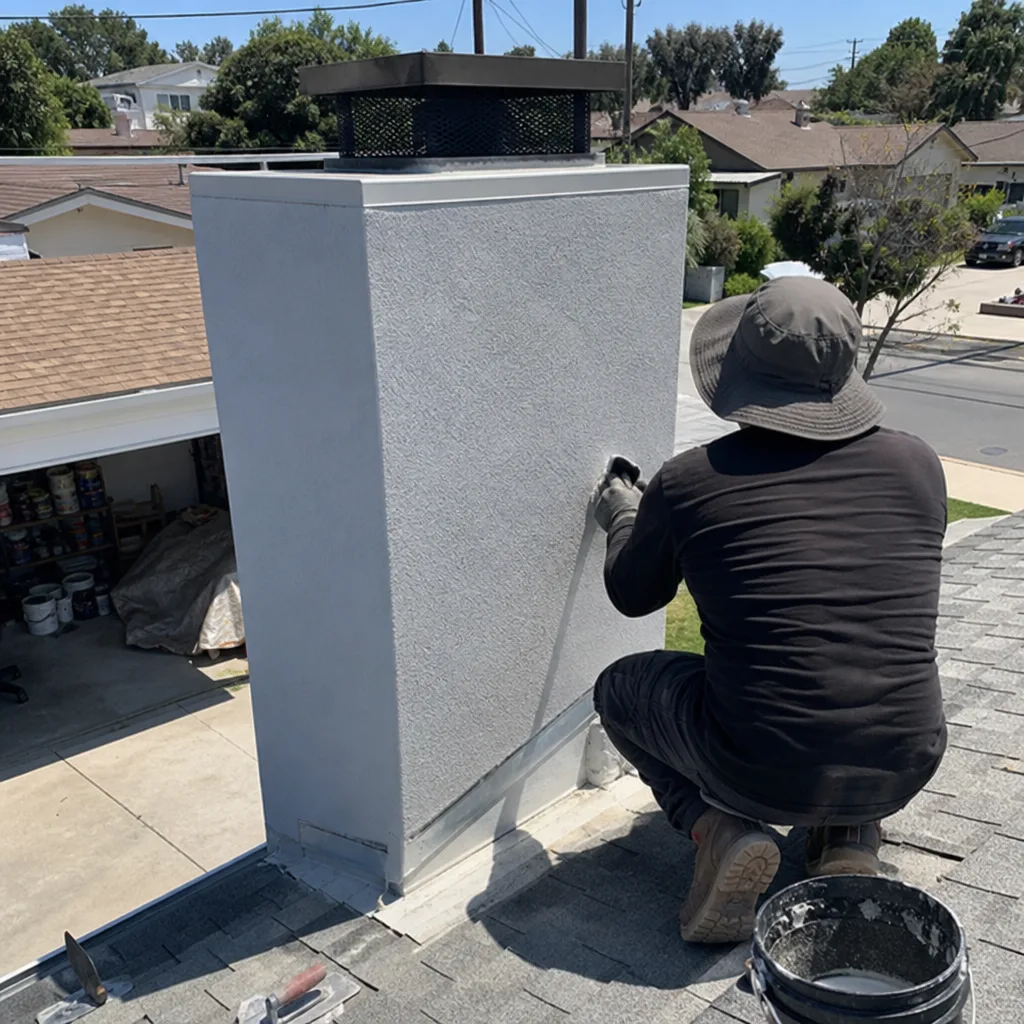 After
 Before
 After
 Before
 After