
Last updated November 2, 2026
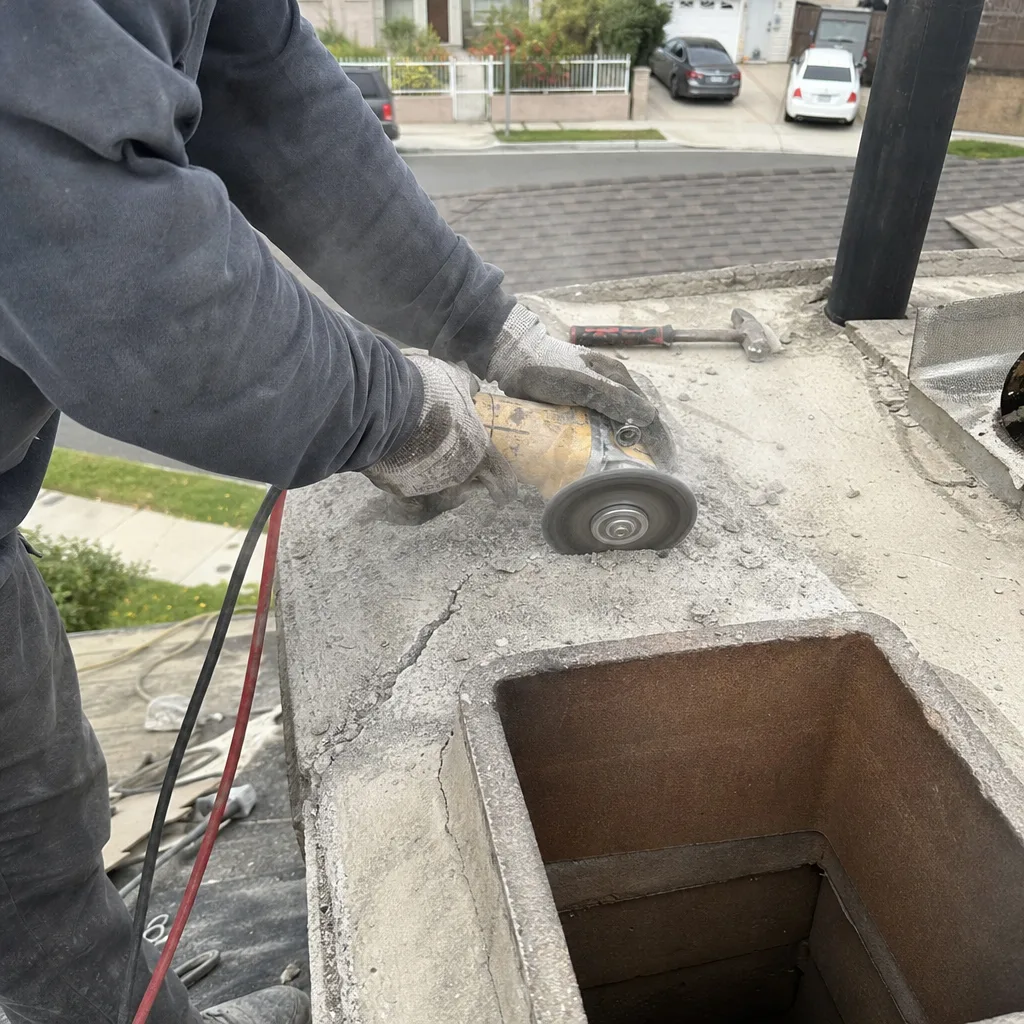
 Sweep & inspection
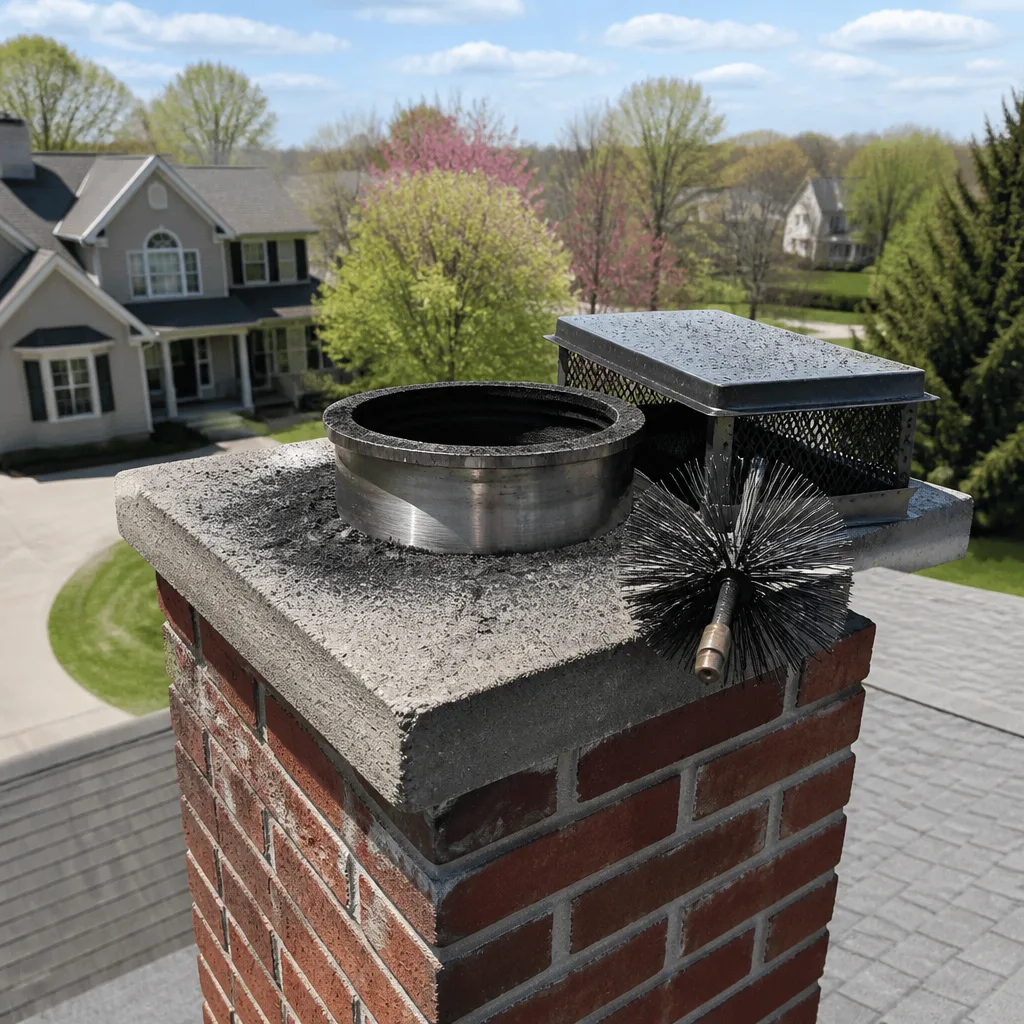
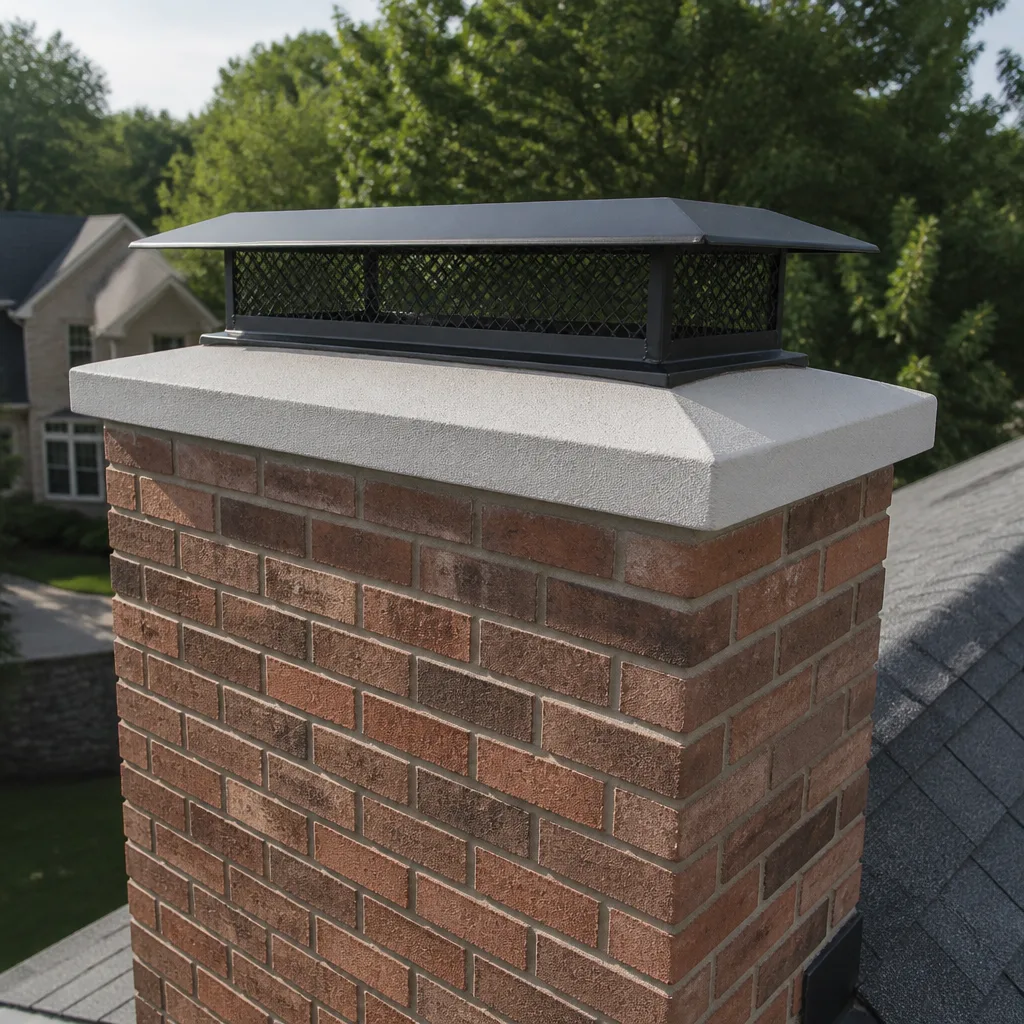 Caps & crowns
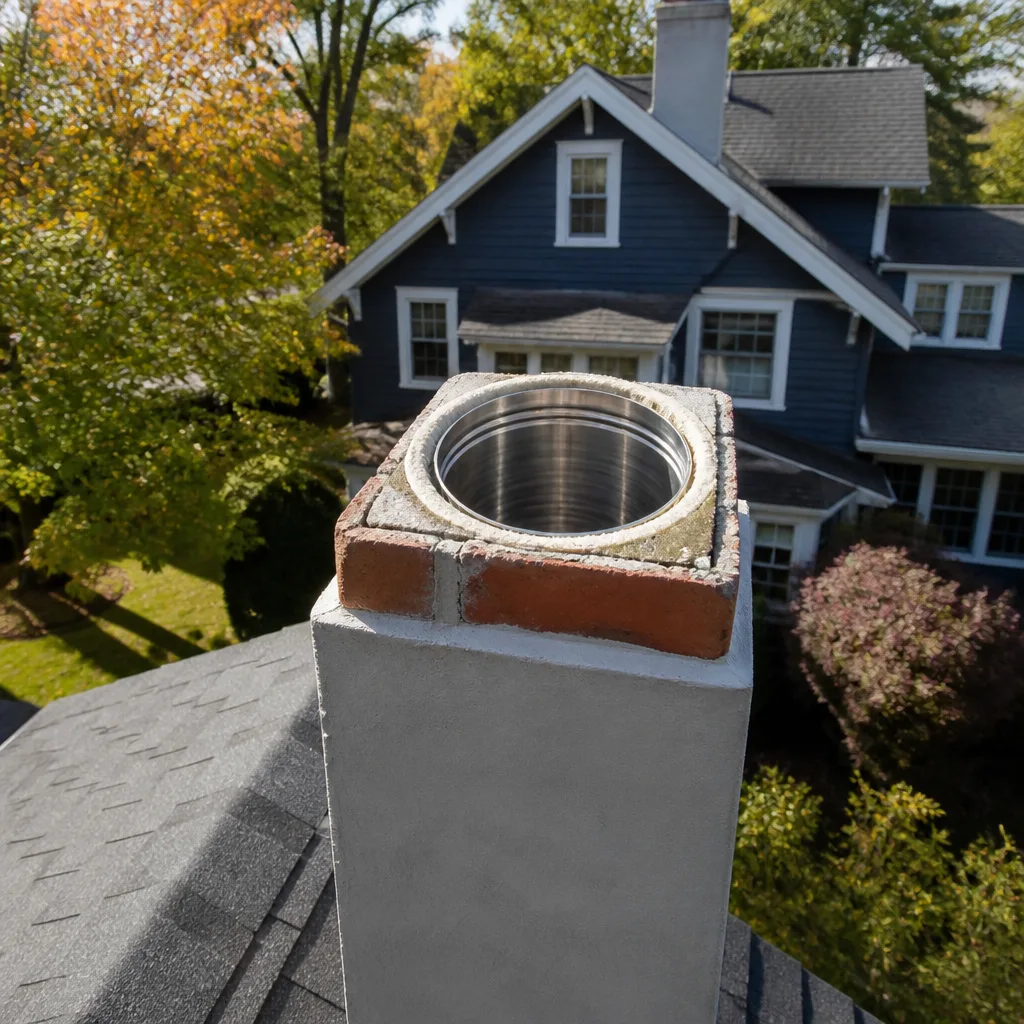 Flue relining
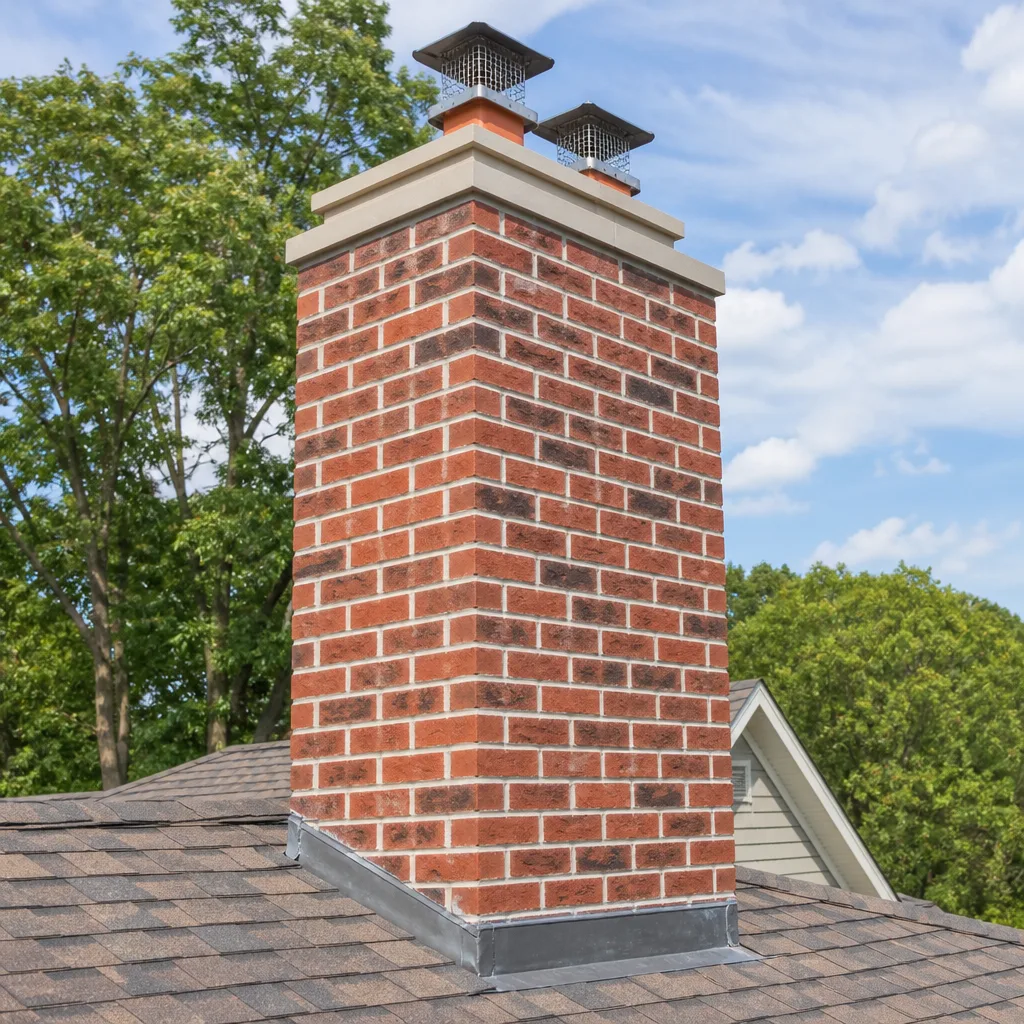 Masonry repair
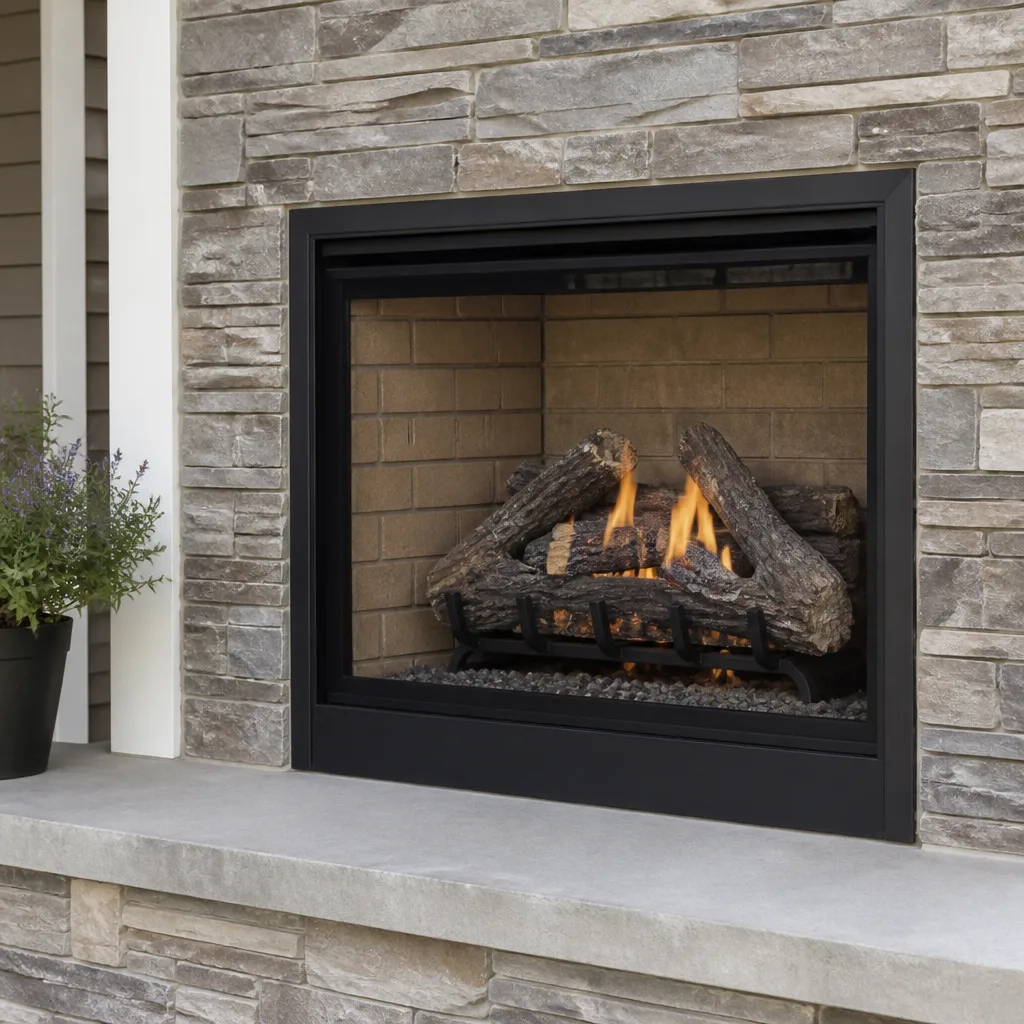 Gas fireplace service
Level 1 sweep and inspection to the NFPA 211 annual standard - flue, crown, cap, and flashing checked and photographed
Chimney sweep logs do not sweep chimneys. They loosen some creosote - which then falls where a brush and vacuum still have to collect it.
Seasonal Chimney Cleaning Care for Carson: Year-Round Homeowner’s Guide
Here’s what most Carson homeowners don’t realize until it’s too late: the Santa Ana winds that sweep through this city every fall push combustion byproducts back down flues and deposit debris in fireboxes that have sat open and exposed for six months. That first fire of the season isn’t burning cleanly. It’s burning in a system that’s been quietly accumulating whatever the wind, fog, and local wildlife left behind. This guide walks through the four distinct phases a Carson chimney actually goes through each year, what each phase does to the system, and exactly what maintenance belongs in which month. For emergency preparedness tips specific to Carson homes, see our dedicated guide. It’s the seasonal rhythm most generic chimney advice misses entirely.
Styles & brands we work with
- Sweep & inspection
- Caps & crowns
- Flue relining
- Masonry repair
- Gas fireplace service
Quick Answer
In Carson, chimney maintenance breaks into four phases, not the traditional four seasons: a spring post-season inspection, a summer fog-season monitoring period, a fall pre-Santa Ana cleaning and prep phase, and a winter active-use monitoring window. Book your pre-season sweep in August, not November, to avoid the fall backlog and give any needed repairs time to get done before first use. See our Chimney Cleaning Cost Breakdown: The Carson Homeowner’s Reference for 2026 for typical pricing by system type.
Table of Contents
- The Real Carson Chimney Calendar
- Spring: Post-Season Inspection and What to Look For
- Summer: The Fog Season Moisture Problem
- Fall: Santa Ana Winds and Pre-Season Preparation
- Winter: Active-Use Monitoring in Carson
- Why Gas Fireplaces Still Need Seasonal Attention
- Dormancy Risks: What Happens When a Chimney Sits Unused
- Scheduling Strategy: Why August Beats November
- Common Mistakes to Avoid
- When to Call a Professional
- Frequently Asked Questions
- The Bottom Line
The Real Carson Chimney Calendar
Carson sits in a coastal plain where temperatures stay moderate year-round, but the chimney system doesn’t care about air temperature. It responds to wind, marine layer moisture, and usage patterns. Those three variables create a maintenance calendar that looks nothing like what a homeowner in Michigan or Vermont follows.
We break the year into four operating phases for a Carson chimney: the use phase (roughly November through February), the dormancy phase (March through May), the offshore wind period (September through November, when Santa Ana events spike), and the marine layer saturation period (June through August, when overnight fog drives humidity levels up against flue surfaces). Each phase creates a different risk profile, and each dictates specific maintenance tasks.
Here’s the framework we use when we advise homeowners in Carson:
- Spring (March – May): Post-season inspection, cap and screen check, note any performance issues from the winter.
- Summer (June – August): Monitor for marine layer moisture effects, check for animal intrusion, schedule the pre-season sweep for August.
- Fall (September – November): Pre-season sweep and inspection, Santa Ana debris check, damper seal verification, first-fire readiness.
- Winter (December – February): Active-use monitoring, creosote level checks for frequent burners, mid-season visual inspections.
This isn’t a rigid schedule. Homes in the hills east of the 110 deal with more wind-driven debris than homes on the flatlands. Homes with older masonry chimneys have different moisture risks than newer prefab systems. But as a baseline, this calendar matches the actual conditions Carson chimneys face.
One thing most guides miss: Carson’s proximity to the Port of Los Angeles and the 110, 405, and 91 corridors means airborne particulate levels are higher here than in many parts of the region. That particulate settles in flues during dormancy, especially when a chimney cap is damaged or missing. A sweep in October is often removing six months of accumulated urban soot and road dust on top of the previous season’s creosote.
Spring: Post-Season Inspection and What to Look For
Spring is when you find out what the winter actually did to your chimney. Most Carson homeowners run their fireplaces from Thanksgiving through Valentine’s Day, then shut the system down and forget about it until the next cold snap. Skipping a post-season inspection means carrying problems forward into the summer months, where moisture and heat make them worse.
A proper spring inspection covers five things:
- Creosote accumulation: How much buildup did the burning season leave behind? Type 1 creosote is flaky and easy to remove. Type 3 is a glazed, tar-like deposit that bonds to flue walls and requires mechanical removal. The type and amount dictate whether a sweep is urgent or can wait until fall.
- Cap and screen condition: Winter wind in Carson can shift a chimney cap or tear a screen. Once a screen has a gap, birds and squirrels have an entry point.
- Damper operation: A damper that sticks or doesn’t seal fully affects both drafts during use and air exchange during dormancy.
- Flue tile condition: Hairline cracks that were minor in October may have expanded through repeated heat cycles. The spring inspection catches these before summer moisture wedges them wider.
- Firebox masonry: Loose bricks or deteriorating mortar joints in the firebox are easier and cheaper to address in spring than in late fall.
We recommend the spring inspection happen within thirty days of the last fire of the season. That timing captures the system before spring rain and summer fog start interacting with whatever residue the winter left behind. For Carson homeowners, late March is typically the right window.
If the winter revealed performance issues, poor draft, visible smoke in the room, unusual odors, a post-season inspection is the right time to diagnose them. Waiting until October means discovering a problem two weeks before you want to light the first fire and discovering that every chimney repair in Carson specialist is already booked solid.
Summer: The Fog Season Moisture Problem
June Gloom is real in Carson, and it has a specific effect on chimney systems that generic seasonal guides never address. The marine layer moves in overnight, hangs through the morning, and burns off by early afternoon. That pattern means exterior chimney surfaces are exposed to high relative humidity, often 80 to 90 percent, for twelve hours a day, most days, for three months straight.
Here’s what that does. A masonry chimney is porous. The brick, mortar, and flue tiles absorb moisture from the saturated air during fog events, then release it when temperatures rise in the afternoon. This constant absorption-release cycle is a stress test. Over years, it weakens mortar joints and accelerates spalling, the flaking and crumbling of brick surfaces caused by moisture expansion.
The bigger issue is what happens inside the flue. If the flue wasn’t swept at the end of the burning season, that creosote sits on the flue walls all summer. Creosote is hygroscopic. It attracts and holds moisture. That moisture, combined with the warm summer temperatures inside the chimney cavity, creates an environment that accelerates corrosion in metal liners and further degrades the creosote into an even more stubborn deposit.
We see this pattern regularly in Carson during our August and September visits: homeowners who skipped the post-season sweep now have a glazed creosote layer that requires noticeably more aggressive removal than the same buildup would have needed in March. The fog season didn’t just let the creosote sit there. It baked it in.
There’s also a condensation dynamic specific to metal flue liners. During the marine layer months, the exterior of the chimney stays cool while the enclosed flue space warms during the day. This temperature differential can cause condensation to form on the interior of metal liners. Over a full summer, that condensation contributes to rust and, in severe cases, liner perforation. It’s a slow process, but it’s real, and it’s one of the reasons we recommend an annual inspection even for chimneys that see light seasonal use.
Fall: Santa Ana Winds and Pre-Season Preparation
Santa Ana winds, for anyone who has lived through a few Carson autumns, are not just a news story about fire danger in the hills. They’re a direct physical force on your chimney system. These offshore winds blow from the northeast, often at sustained speeds of 25 to 40 miles per hour with gusts higher. Their direction matters: they push against chimney openings in a way that ordinary coastal breezes don’t.
When a Santa Ana event hits, three things happen to a chimney:
- Downdraft pressure: The wind creates a pressure differential at the chimney top that can force air down the flue. If the damper isn’t sealing well, that air carries dust, debris, and sometimes embers from nearby brush fires into your firebox and living space.
- Debris deposit: Wind-driven leaves, twigs, and urban debris get funneled into uncapped or poorly capped chimneys. In Carson, where mature eucalyptus and palm trees are common, wind-driven fronds and seed pods are regular finds in fireboxes after major wind events.
- Combustion byproduct displacement: For homes that have already started seasonal fires, a Santa Ana event can push smoke and particulate residue down the flue and into the firebox. That’s the scenario where a homeowner opens the glass doors to find fine black dust coating everything.
The practical protocol for fall in Carson is straightforward. Before your first fire, visually inspect the firebox for wind-blown debris. This is something any homeowner can do with a flashlight. Look up the flue. If you see obstruction, displaced debris, or an accumulation of material that wasn’t there in spring, the system needs attention before lighting.
More important is the damper check. The damper is the only seal between your flue and your living room when the fireplace isn’t in use. After a summer of marine layer moisture and a few Santa Ana cycles, damper seals degrade. A damper that doesn’t close tightly means your cooled or heated indoor air is escaping up the chimney year-round, and your fall fires will draft unpredictably.
We tell Carson homeowners to run this check every fall before the first fire: close the damper, then hold a lighter or match near the flue opening inside the firebox. If the flame flickers or leans toward the flue, air is moving. That’s a draft leak. The damper needs adjustment or replacement.
Fall is also when the pre-season sweep should happen. The sweep removes the prior season’s creosote, clears out summer debris, and gives the technician a clear view of the flue tiles or liner. This is the moment when most repair issues get caught: a cracked tile, a separated liner joint, a deteriorated crown. Catching these in September means repairs can be done in October, before the fire season really starts. Catching them in December means burning with a compromised system or going without heat.
Winter: Active-Use Monitoring in Carson
Carson winters are mild by national standards, but fireplace use still clusters between late November and February. Evening temperatures drop into the 40s, and homes with fireplaces use them. That’s also when chimney problems become most visible.
During active use, the homeowner should be watching for four signals:
- Smoke in the room: This isn’t normal, and it isn’t something to tolerate. Smoke entering the living space indicates a draft problem, a blockage, or a flue that’s too cold to establish proper updraft. If it happens more than once, the system needs attention.
- Unusual odors: A properly functioning fireplace doesn’t produce strong odors in the room. A campfire smell when the fireplace isn’t in use usually means a draft reversal pulling air down the flue. This is often worse during Santa Ana conditions.
- Visible creosote buildup: For homeowners with glass fireplace doors, creosote building up quickly on the glass is a signal that the fire is burning too cool or the wood isn’t seasoned. Rapid creosote accumulation means more frequent sweeping is needed.
- Changes in burn behavior: A fire that used to light easily and now struggles, or a flame that burns lazy and yellowish instead of bright and active, indicates airflow changes. These are almost always flue-related.
- Burner port inspection: Dust and debris accumulate in burner ports during dormancy and cause uneven flame patterns or delayed ignition. Delayed ignition in gas appliances, that little ‘whump’ when it finally lights, is a minor gas explosion and should never be ignored.
- Vent terminal check: Look for debris blockage, corrosion, or damage to the exterior vent cap. After a Santa Ana event, this check matters more.
- Log and media positioning: Gas logs and fire media need to stay in their designed positions. If they’ve been moved or damaged, they can create hot spots that stress the firebox.
- Pilot assembly condition: Especially after summer dormancy, pilot assemblies collect dust and can fail to light reliably.
- Full scheduling flexibility: In August, you can pick your time slot. In November, you’re taking whatever’s left. For working homeowners in Carson, that often means missing work to take a midday appointment or waiting weeks for a weekend slot.
- Repair runway: This is the big one. If the August sweep discovers a cracked flue tile, a deteriorated damper, or a liner problem, the repair can be completed in September or October, before the first fire. If that same discovery happens in November, the options are burning with a compromised system or skipping the fireplace season. A Chimney Repair in Carson specialist in November is often scheduling into December.
- Debris removal before Santa Ana season peaks: An August sweep clears out summer debris and marine-layer residue before the Santa Ana winds start adding their own contribution. The system sits clean and ready through the wind events, rather than accumulating wind-blown material on top of old creosote.
- Cleaning only before winter: The single biggest mistake we see in Carson is treating chimney maintenance as a November event. The system needs a post-season check in spring and a pre-season sweep in late summer. One annual visit, timed in fall, means problems have had six to eight months to worsen before they’re found.
- Assuming a gas fireplace is maintenance-free: Gas systems vent combustion byproducts too, and their vent terminals are exposed to the same marine layer, salt air, and Santa Ana debris as wood-burning systems. Carbon monoxide is odorless. Gas fireplace maintenance is a safety issue, not a cosmetic one.
- Ignoring the cap: A missing or damaged chimney cap in Carson is a standing invitation to birds, squirrels, and wind-driven debris. The cap is the cheapest insurance the system has. When it fails, everything downstream suffers.
- Burning unseasoned wood: Green wood burns cool and smoky, which produces creosote at an accelerated rate. In Carson’s damp winter air, that creosote doesn’t dry out and flake away; it bonds to the flue walls and becomes a removal problem.
- Skipping the dryer vent: Dryer vent cleaning in Carson is a fire-safety maintenance item that most homeowners forget entirely. The NFPA documents dryer vents as a leading cause of home fires. If you’re scheduling a chimney sweep, bundling a dryer vent cleaning into the same service visit makes sense.
- Waiting until the fireplace shows problems: Chimney systems fail silently. By the time there’s visible smoke in the room or a drafting problem, the underlying issue may have been developing for months. Preventative maintenance exists precisely because the warning signs are easy to miss.
For heavy users, burning three or more fires per week through the winter, a mid-season visual check is worth doing. Shine a light up the flue and look at the deposit level. If more than an eighth of an inch of creosote has accumulated since the fall sweep, the system needs another cleaning before the season ends. A quarter inch is the threshold where creosote ignition becomes a serious possibility.
The winter phase in Carson is also when the chimney sweep in Carson workload peaks. Same-day service is rarely available. If you need mid-season attention, calling early in the week helps, and being specific about the symptom (smoke, odor, draft issue) helps the technician prepare.
Why Gas Fireplaces Still Need Seasonal Attention
There’s a persistent belief that gas fireplaces don’t need chimney maintenance because they don’t produce creosote. It’s wrong in ways that matter for safety.
Gas fireplaces and inserts don’t generate creosote, but they do generate byproducts: water vapor, carbon dioxide, and trace amounts of carbon monoxide. They also depend on a clear vent path. A blocked or partially blocked gas vent doesn’t just reduce efficiency; it creates a carbon monoxide risk. The Consumer Product Safety Commission has documented CO incidents tied to blocked or obstructed gas vents.
In Carson specifically, gas vent terminals are exposed to the same coastal environment as everything else. Salt air corrodes vent caps and terminations over time. The marine layer leaves moisture film on exterior vent components. And the Santa Ana winds can deposit debris directly into vent openings. We’ve pulled leaves, plastic bags, and bird nesting material out of gas vent terminals in Carson more times than most homeowners would believe.
A seasonal gas fireplace check should include:
The winter light-off sequence for a gas fireplace tells you a lot. If it takes multiple attempts to light, if the flame is yellow instead of blue, if there’s an unusual odor on startup, the system needs professional attention. These are not normal operating characteristics.
Dormancy Risks: What Happens When a Chimney Sits Unused
Here’s the counterintuitive truth: a chimney is often at greater risk during the months it sits unused than during active burning. A dormant chimney in Carson faces threats that an active chimney doesn’t.
The primary risk is moisture. A capped but uncleaned flue still holds creosote from the last burning season. Through the marine layer months, that creosote absorbs ambient moisture and holds it against the flue walls. For masonry chimneys with clay tile liners, the absorbed moisture works into the tile surface, and the summer heat then expands that moisture, creating micro-fractures that grow over time. For metal liners, the same moisture accelerates oxidation. A stainless liner isn’t immune to corrosion, especially when it’s coated in acidic creosote residue that’s been reactivated by moisture.
Animal intrusion is a year-round risk in Carson, but it spikes during dormancy. Birds, squirrels, and raccoons all see an unused chimney as a sheltered nesting site. A missing cap screen or a cap that’s shifted out of position is an open invitation. We’ve removed nests that filled entire flue sections, turning what should have been a simple fall sweep into a significant blockage removal project.
The third dormancy risk is structural movement. Carson’s clay-heavy soils expand and contract with moisture changes, and that movement transfers into chimney structures. A chimney that was sound in March may show hairline separation at the roofline by September. These movements are usually minor, but they’re worth catching early. A small crack that gets sealed in fall costs a fraction of what the same crack costs after a winter of heat cycling and water intrusion.
What does a homeowner do to mitigate dormancy risks? Keep the damper closed when the fireplace isn’t in use, which limits air exchange but doesn’t stop moisture. Verify the cap and screen are intact before the summer fog season starts. And don’t skip the fall pre-season inspection just because the chimney ‘worked fine last winter.’ Dormancy is a silent stress period. The systems that fail in winter usually fail in summer first.
Scheduling Strategy: Why August Beats November
Carson’s chimney service industry runs on a cycle that’s predictable to anyone inside it: quiet in spring, moderate in summer, and slammed from the first cold snap through February. The busiest weeks are the last two weeks of October and the first two weeks of November.
Booking a pre-season sweep in August changes your options in three concrete ways:
We also see an August sweep as the single best way to stabilize the annual maintenance cycle. Once a homeowner gets on an August schedule, the seasonal rhythm locks in. Post-season inspection in March, pre-season sweep in August, monitor through winter, repeat. The system gets checked twice a year at the moments when checking matters most.
Common Mistakes to Avoid
When to Call a Professional
Some chimney issues are visible and obvious. A damaged cap, a chimney fire, visible structural cracking, those warrant immediate professional attention. But the more common scenarios are subtler. A persistent odor when the fireplace isn’t in use. A draft that changes behavior depending on wind direction. Creosote that reappears faster than it should. A gas fireplace that takes multiple attempts to light.
Any of those signals means something in the system has changed, and the change almost always lives somewhere the homeowner can’t see without a camera. Professionals have the inspection equipment to look inside the flue and diagnose what’s actually happening. Guessing is more expensive than looking.
Chimney Sweep Carson offers free estimates in Carson, call (833) 593-4907.
Frequently Asked Questions
A wood-burning chimney in Carson should be swept once per year at minimum, ideally in August before the Santa Ana season and the start of fall burning. Before scheduling, check Chimney Cleaning Permits, Codes & Inspections in CA: What You Need to Know to understand local requirements. Homes that burn more than three fires per week through winter may need a second sweep mid-season. Gas systems need an annual inspection but typically require cleaning less frequently.
Chimney sweeping in Carson typically runs between $180 and $340 depending on the system type, accessibility, and the level of creosote buildup. Browse our more guides & resources for additional maintenance advice. The final quote depends on what the inspection reveals. Call (833) 593-4907 for a free estimate with no obligation.
Yes. The creosote from even a dozen fires is enough to create a fire hazard, and the fog-season moisture in Carson reacts with that creosote and makes removal more difficult the longer it sits. Light use doesn’t mean the flue stays clean. Call (833) 593-4907 to schedule an inspection and find out what your system actually needs.
Gas fireplaces don’t produce creosote and typically don’t need the same kind of flue sweeping a wood-burning system requires. But they do need annual inspection for burner port blockage, vent terminal debris, and carbon monoxide risks. In Carson, salt air and Santa Ana debris make gas vent inspections especially important.
The risk compounds. Creosote accumulates, moisture works into the deposits during Carson’s fog season, and the combination accelerates flue deterioration. A two-year creosote accumulation is more than double the removal effort of one year, and the underlying flue damage is more likely to be serious. The most expensive chimney repairs are almost always deferred-maintenance repairs.
Yes, and it’s a smart combination. The dryer vent is the leading household fire hazard that most Carson homeowners never think about, and both services are done by the same specialty company. One visit can address the fireplace and the dryer vent rather than scheduling two separate appointments. Call (833) 593-4907 to ask about bundling both services.
Absolutely. Chimney condition is rarely covered in a standard home inspection at a meaningful depth, and repair costs, especially for liner replacement or structural work, can be significant. A level-two chimney inspection with a camera gives you a real picture of what you’re buying. It’s a small cost relative to discovering a compromised flue after closing.
The Bottom Line
Carson’s chimney risks don’t follow the seasons on a calendar; they follow the wind, the fog, and the usage patterns unique to this coastal city. That means the maintenance schedule has to be built around those local realities: post-season check in spring, fog-season awareness in summer, pre-Santa Ana preparation in late summer, and active monitoring through winter. The homeowners who get this right spend less on repairs, burn more safely, and never find themselves in the November backlog waiting for a sweep. The core of the whole thing is simple: inspect twice a year, sweep before the burning season, and don’t treat a dormant chimney as a safe chimney. If you’re in Carson and want an expert look at your system, call (833) 593-4907 for a free estimate. We specify and install the same brands professional chimney contractors rely on, DuraFlex, HeatShield, Copperfield, and more, and from routine sweep to full liner restoration, it’s handled in one call. Visit our Chimney Sweep Carson home page to learn more about our full range of chimney and venting services.
Written by the team at Chimney Sweep Carson, serving Carson since 2014.
See the difference
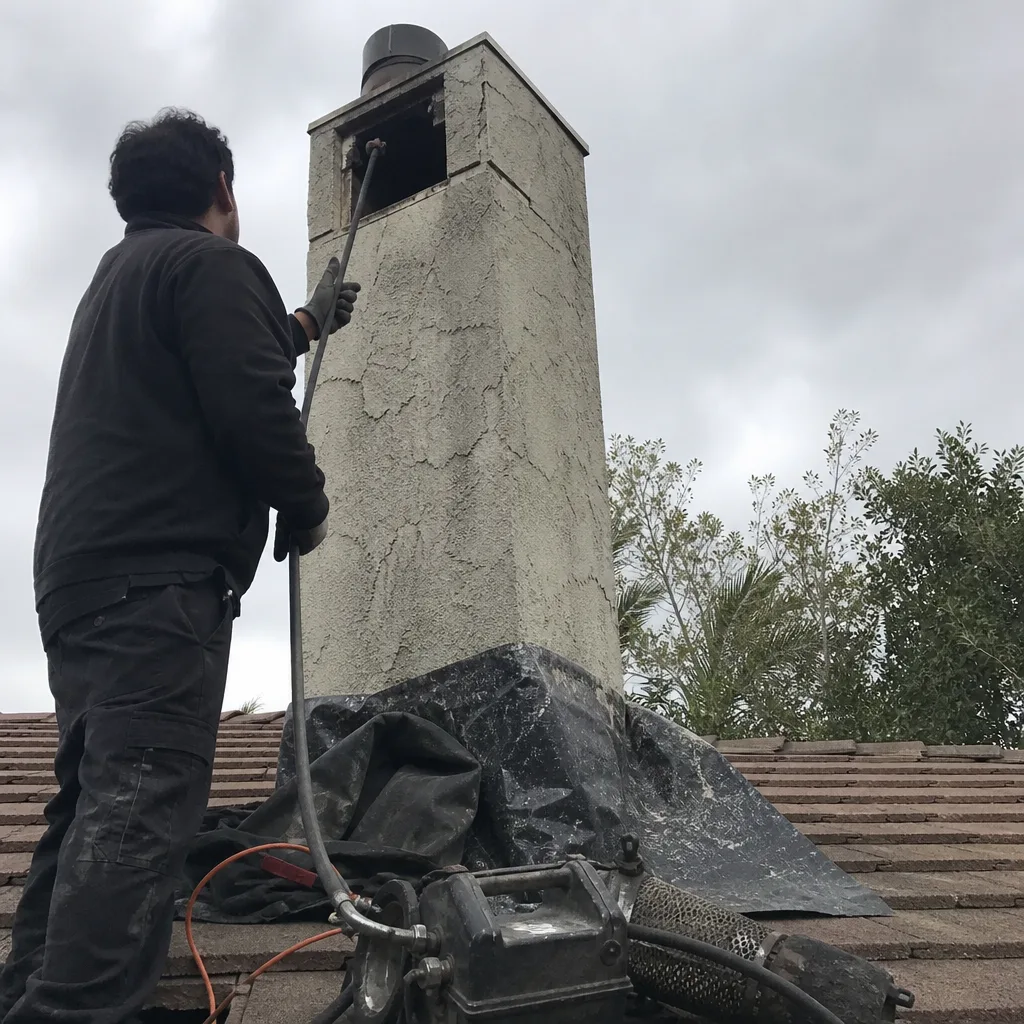 Before
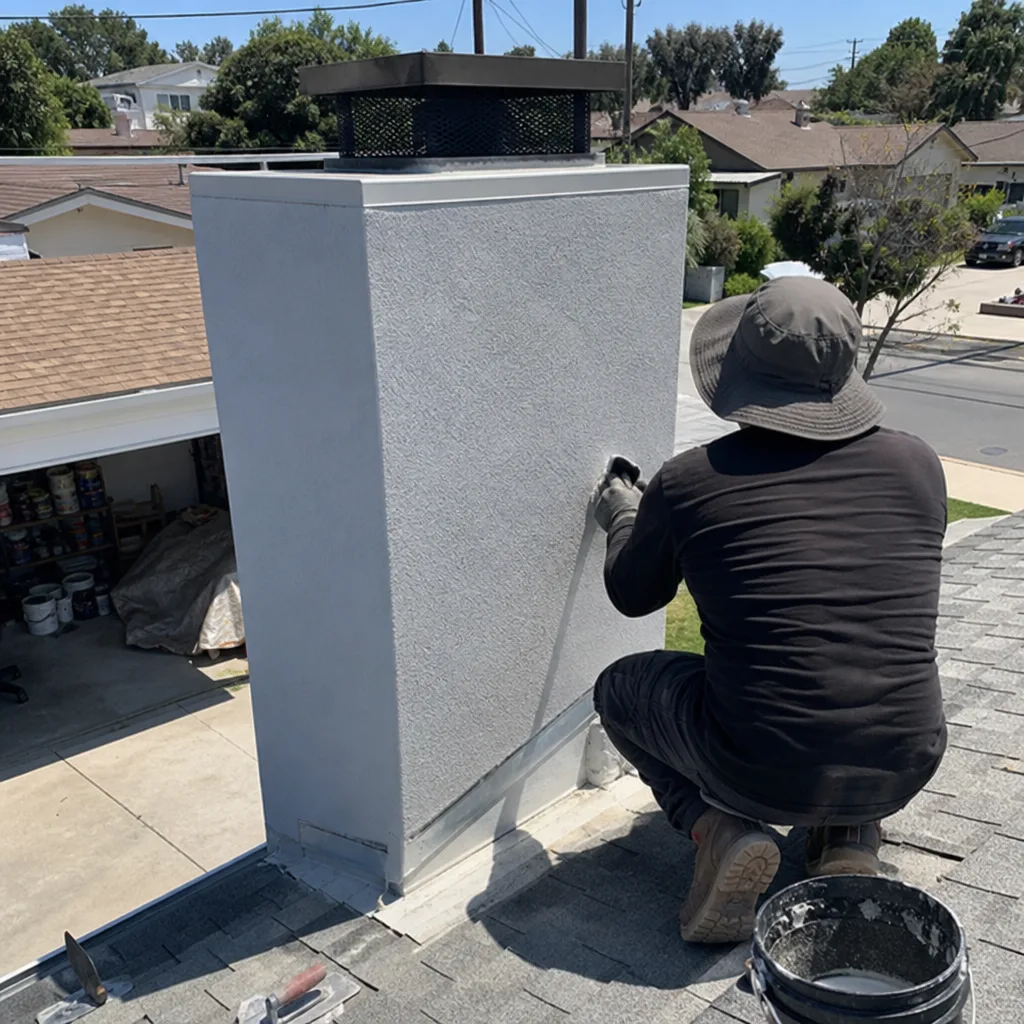 After
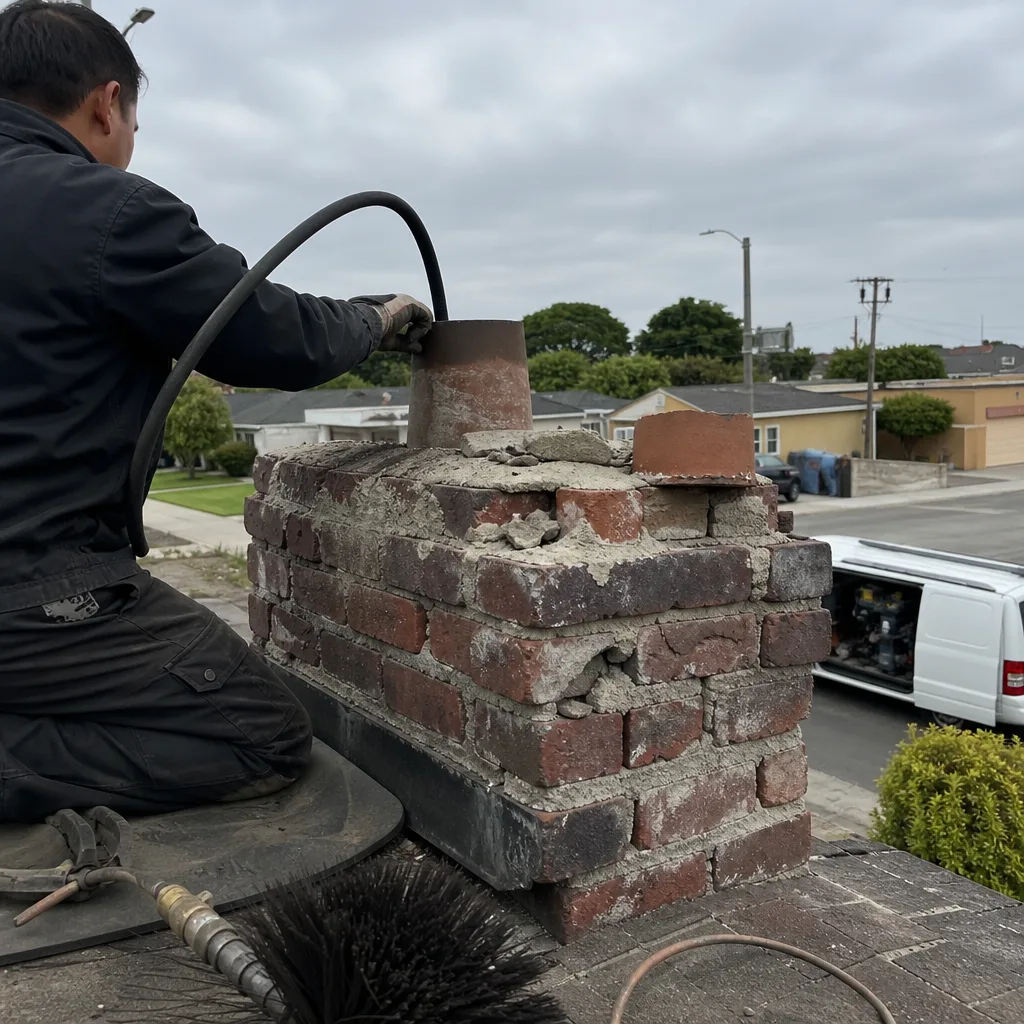 Before
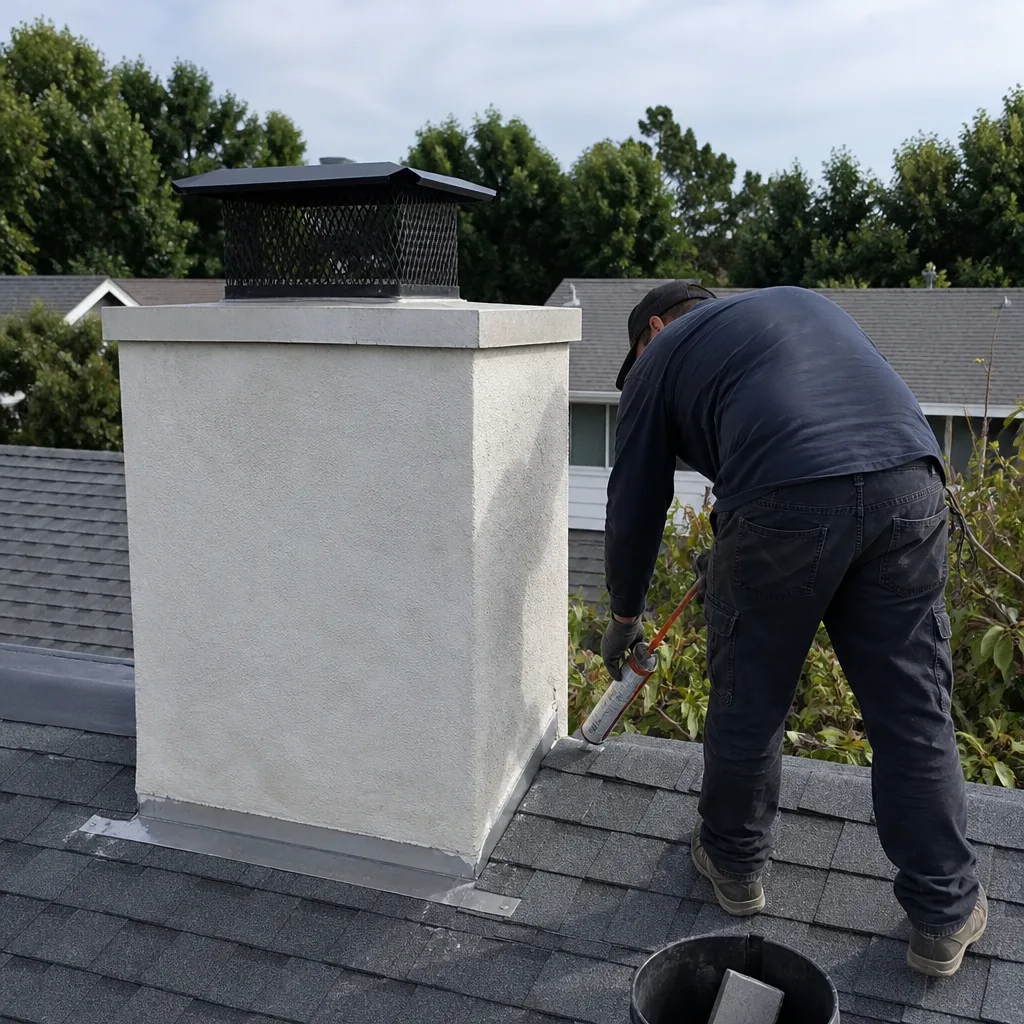 After
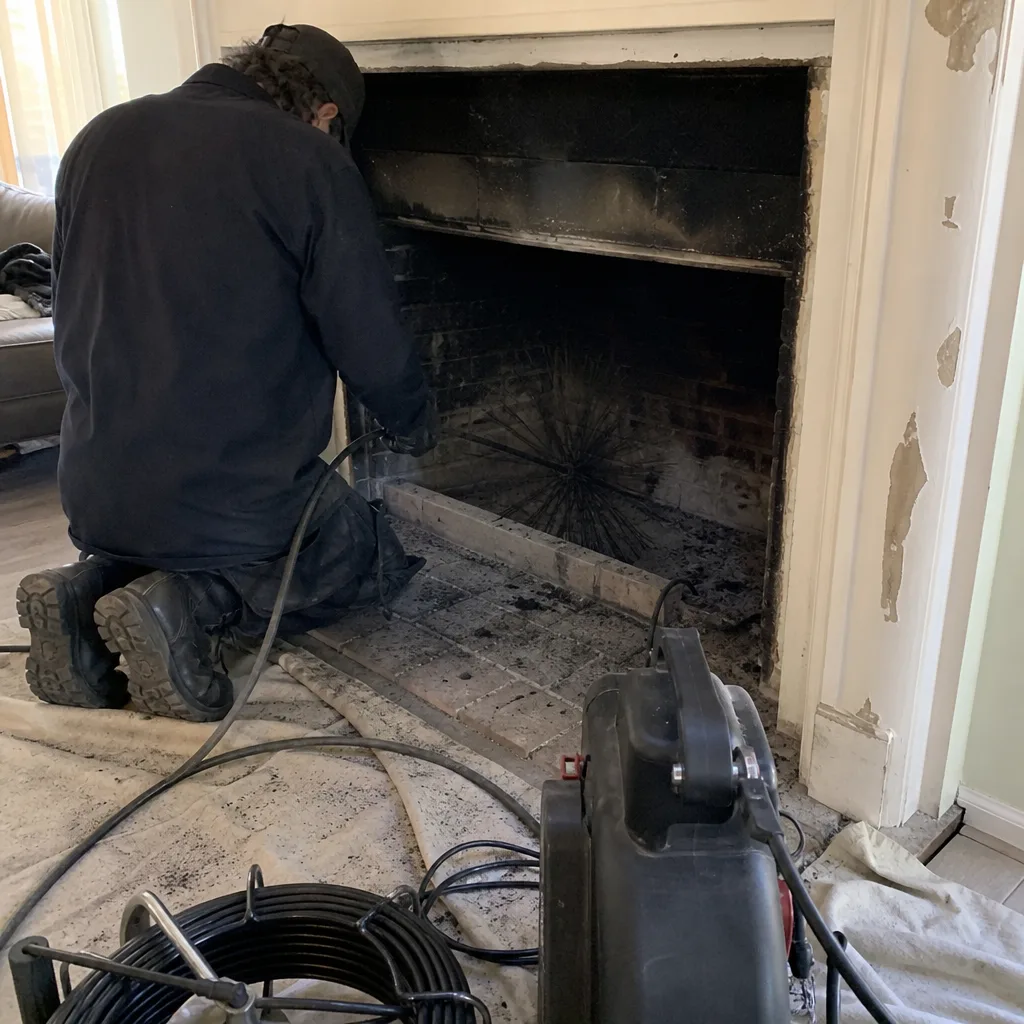 Before
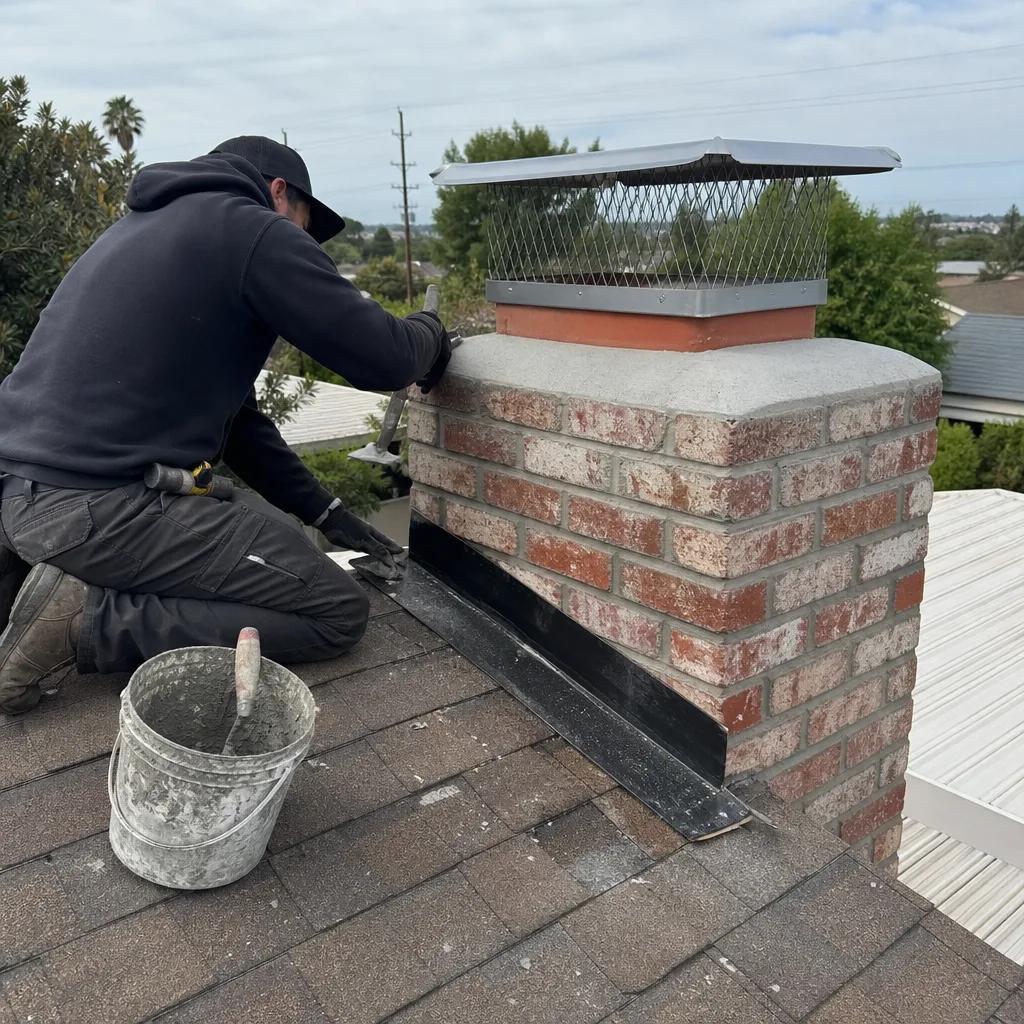 After