
Last updated November 2, 2026
 Sweep & inspection
 Caps & crowns
 Flue relining
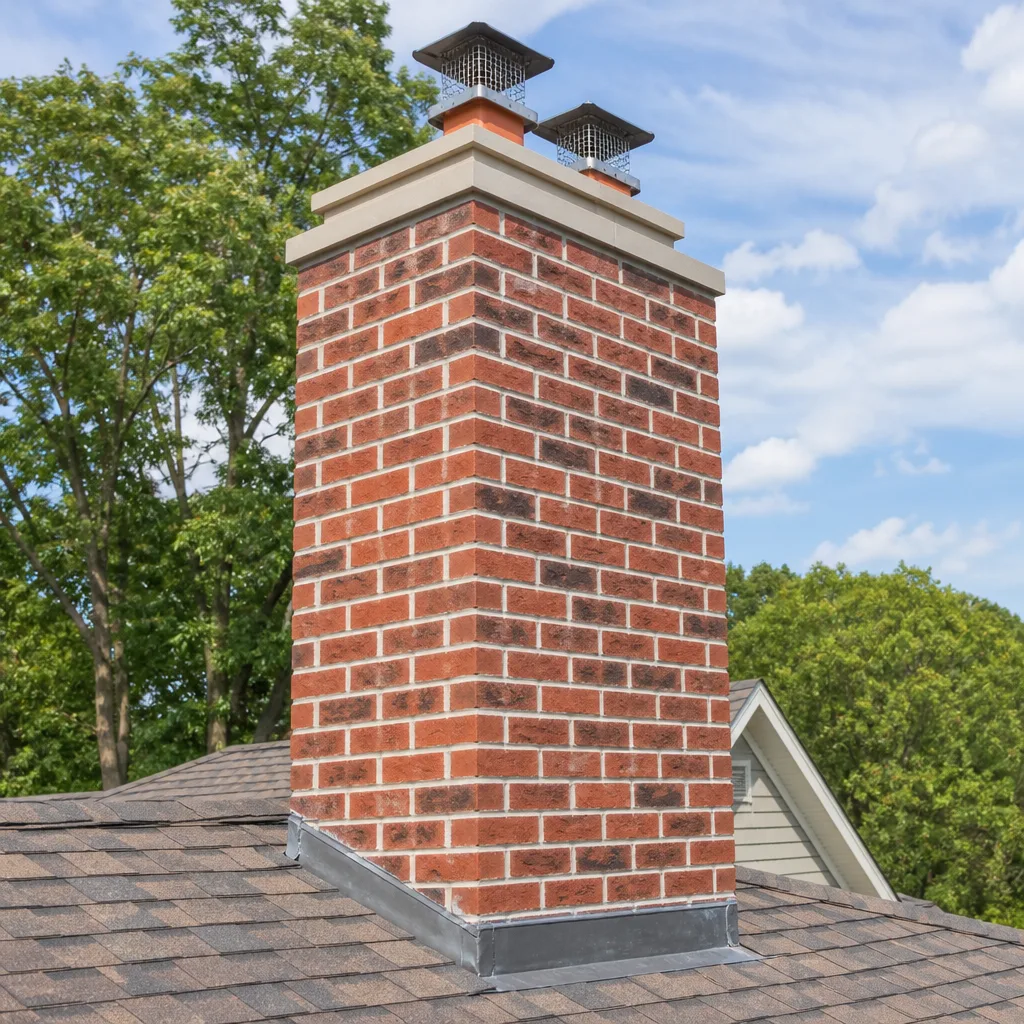 Masonry repair
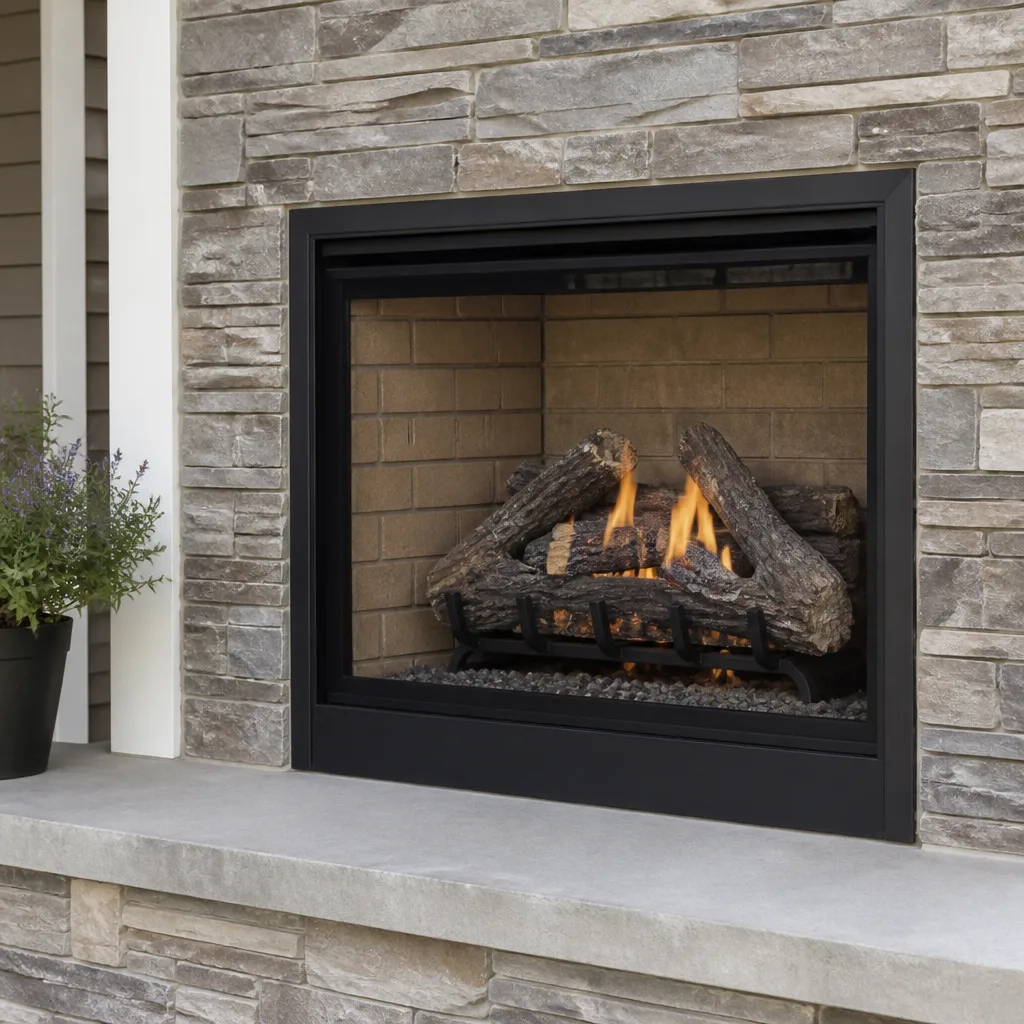 Gas fireplace service
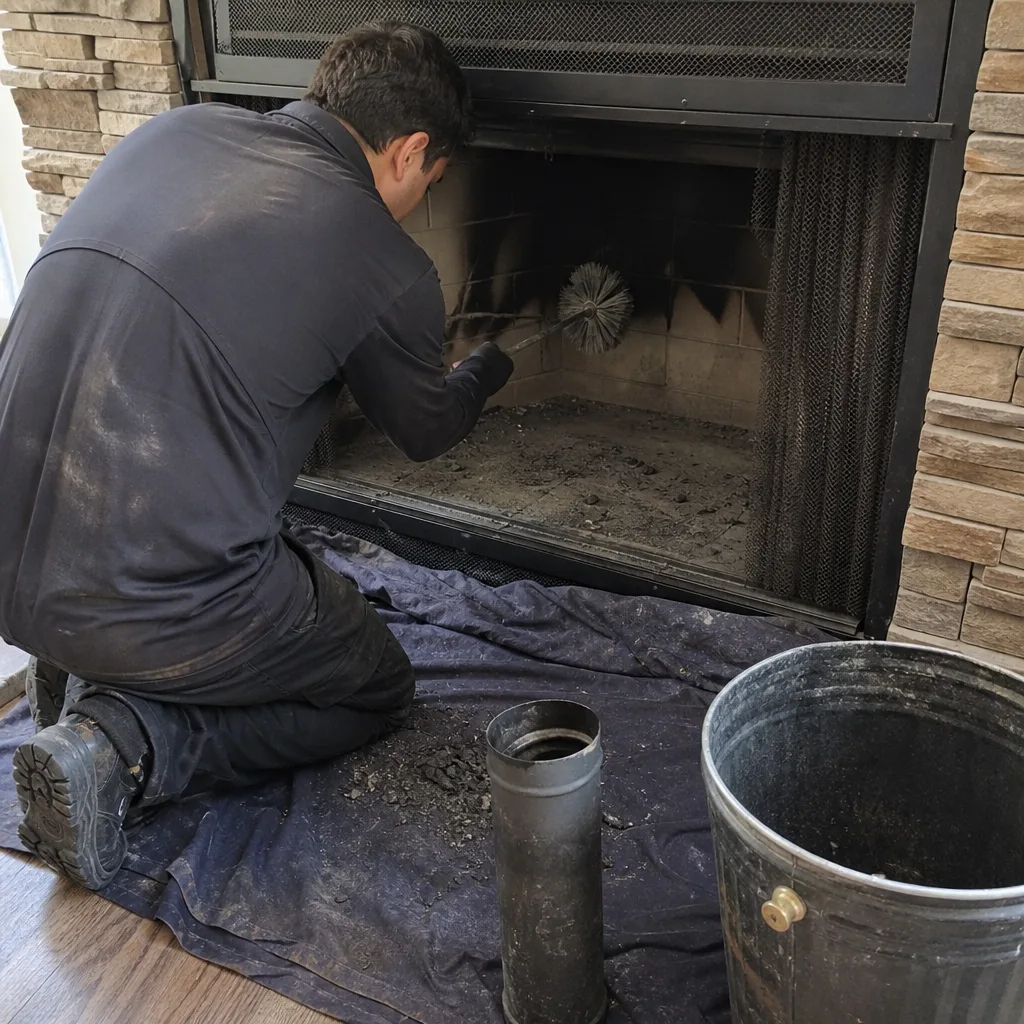
Level 1 sweep and inspection to the NFPA 211 annual standard - flue, crown, cap, and flashing checked and photographed
Chimney sweep logs do not sweep chimneys. They loosen some creosote - which then falls where a brush and vacuum still have to collect it.
How to Hire a Chimney Cleaning Contractor in Carson: A Step-by-Step Guide
California does not license chimney sweeps at the state level. Anyone with a ladder, a brush, and a business card can legally advertise as a chimney contractor in Carson. That single regulatory gap turns what should be a straightforward maintenance call into a genuine vetting project. This guide gives you a concrete framework: the credentials that actually mean something, the questions that reveal whether a contractor can handle what they find, and the red flags that show up long before anyone climbs onto your Carson roof. For more guides & resources on chimney maintenance, explore our blog.
Styles & brands we work with
- Sweep & inspection
- Caps & crowns
- Flue relining
- Masonry repair
- Gas fireplace service
Quick Answer
To hire a chimney cleaning contractor in Carson, verify three things before booking: the company carries current general liability and workers’ compensation insurance, the technician holds CSIA certification or equivalent documented training, and the scope of work includes a written inspection report, not just a sweep. A qualified contractor will quote a flat price before arriving, explain what the cleaning includes, and be able to repair common issues they find rather than referring you to a second company.
Table of Contents
- Why California’s Licensing Gap Matters for Carson Homeowners
- What Credentials Actually Verify (and What They Don’t)
- Insurance Verification: The Non-Negotiable First Step
- The Scope-of-Work Question Most Homeowners Skip
- Step-by-Step Vetting Process: Seven Questions That Reveal Everything
- How to Read a Chimney Cleaning Quote in Carson
- Red Flags Specific to Chimney Work
- Common Mistakes to Avoid
- When to Call a Professional
- Frequently Asked Questions
- The Bottom Line
Why California’s Licensing Gap Matters for Carson Homeowners
The California Contractors State License Board oversees most building trades. Roofers, electricians, plumbers, and HVAC technicians all carry state-issued license numbers. Chimney sweeps do not fall under that umbrella unless they’re performing work that crosses into another licensed trade, like masonry repair that exceeds a certain dollar threshold or gas appliance installation.
This means the barrier to entry for chimney cleaning is essentially zero. A general handyman with a pickup truck and a hardware-store brush kit can advertise “chimney service” in Carson without documenting any formal training, apprenticeship, or inspection competency.
This is not a hypothetical scenario. We’ve been called to Carson homes after previous “sweeps” that never removed the creosote from the upper flue because the tech didn’t have a ladder tall enough. We’ve seen fireplace smoke chambers left packed with debris because the previous contractor’s brush was the wrong size for the flue dimensions. None of those problems are obvious from the living room. All of them create fire risk.
Carson’s coastal air adds another variable. Homes in this part of Los Angeles County deal with marine layer moisture that settles into masonry. In our experience, flue tile surfaces here age differently than they do in the dry desert climates inland. Moisture interacts with creosote, creating a heavier, stickier deposit that’s harder to remove. A contractor who’s only ever swept chimneys in Arizona-style dry heat may not recognize glaze-stage creosote when they encounter it. You need a sweep who understands what Carson flues actually look like.
The practical takeaway: you are the licensing authority. The questions you ask before hiring are the only vetting system that exists. That’s not a condemnation of the industry. It’s a reality check on how to approach hiring.
What Credentials Actually Verify (and What They Don’t)
Two credentials dominate the chimney industry: CSIA certification and NCSG membership. Understanding what each one verifies, and what it doesn’t, helps you interpret them accurately rather than treating them as blanket endorsements.
CSIA Certification
The Chimney Safety Institute of America runs the most widely recognized certification program for chimney sweeps in the United States. A CSIA-certified technician has passed a written exam covering fire codes, chimney physics, inspection procedures, and safety standards. The certification requires continuing education credits to maintain.
What CSIA verifies: The technician has demonstrated a baseline of technical knowledge, including how to inspect flues properly, identify common defects, and perform cleanings without damaging the system or the home.
What CSIA does not verify: Hands-on field experience. Business ethics. Pricing fairness. Customer service quality. A newly certified sweep who passed the test three months ago has the same credential as a veteran who’s inspected thousands of chimneys. The certification is a floor, not a ceiling. It tells you the person has formal training. It doesn’t tell you whether they’re careful on your roof, honest in their assessment, or competent with a Tuckpointing trowel.
NCSG Membership
The National Chimney Sweep Guild is a professional trade association. Membership signals engagement with the industry: access to continuing education, exposure to code updates, participation in a professional community.
What NCSG verifies: The contractor pays dues. That’s essentially it. The guild has a code of ethics, but membership itself doesn’t certify technical ability the way CSIA does.
What NCSG does not verify: Competence. Insurance coverage. Business longevity. The membership is most meaningful when held alongside CSIA certification, not as a substitute for it.
What Actually Matters Beyond Credentials
Ask directly: “What products do you use, and can I look them up?” A contractor who names specific industry brands is signaling something specific: they have nothing to hide. We specify and install the same brands professional chimney contractors rely on, including Copperfield for chimney caps and dampers, DuraFlex stainless steel for relining, and HeatShield for ceramic flue resurfacing. These are recognizable product lines with public documentation and manufacturer specs. A contractor who can’t or won’t name what they’re putting into your chimney is telling you they’re using anonymous commodity parts or whatever happened to be in the truck.
Credentials give you a starting point. Transparency about materials and methods tells you more in two minutes of conversation than any wall plaque.
Insurance Verification: The Non-Negotiable First Step
Chimney work happens on your roof. That means it combines two risk factors: height and your homeowner’s insurance policy. If an uninsured contractor falls off your Carson roof, the claim lands on your homeowners’ insurance. That’s not a hypothetical outcome. It’s the default unless the contractor carries valid workers’ compensation coverage.
Before booking any chimney service, verify two types of coverage.
General Liability Insurance
This covers property damage. A sweep who drops a chimney cap through your skylight, damages roof tiles with ladders, or chips a stone veneer while positioning equipment is responsible for repairs. General liability provides that coverage. Ask for the policy number and the insurer’s name. Then call the insurer or check their online verification portal. A certificate of insurance that the contractor hands you is easy to fabricate. The verification is in the carrier, not the PDF.
We carry general liability because chimney work involves roofing ladders, heavy brush systems, and vibration from drill attachments. Even careful work can expose a pre-existing roof weakness. The coverage protects you from paying for damage that happened to occur during the visit, regardless of fault.
Workers’ Compensation
If a worker falls from your roof, workers’ comp covers their medical costs and lost wages. Without it, the injured worker can – and often does – sue the homeowner. California state law requires workers’ comp for any company with employees, but independent operators sometimes skirt the requirement.
Ask point-blank: “Do you carry workers’ compensation, and can you show me the policy?” A contractor who hesitates, deflects, or changes the subject is telling you something you need to hear. In a rooftop trade, uninsured labor is not a risk you should accept.
Insurance verification takes ten minutes. It is the single most consequential step in the hiring process. Skip it and you’re accepting liability for every worker who sets foot on your property.
The Scope-of-Work Question Most Homeowners Skip
Here’s the structural problem with hiring a chimney cleaner who can only clean: chimney inspections routinely uncover defects. Cracked flue tiles. Deteriorated mortar joints. Damaged dampers. Missing caps. Water intrusion. A smoke chamber with gaps between the parging and the firebox.
If the contractor you hired can’t repair what they find, you’re now in the position of scheduling a second company, paying a second assessment fee, and hoping the second contractor’s diagnosis matches the first one’s. That’s not efficiency. It’s a three-part inconvenience wrapped in a safety delay.
Before hiring, ask this question directly: “If you find something wrong during the sweep, what happens next?”
The right answer sounds like this: “We walk you through what we found, show you the photos from the camera inspection, and quote the repair. If it’s within our scope, we schedule it. If it’s a structural masonry issue beyond the chimney system, we’ll tell you exactly what type of contractor you need and what to ask them.”
The wrong answer sounds like this: “We’ll recommend someone.”
The difference is accountability. We built our Carson chimney service around a simple structure: from routine sweep to full liner restoration, it’s handled in one call. A clean flue reveals problems. Our repair capability means those problems become a plan, not a referral. Chimney repair in Carson requires a specific set of tools and materials, including DuraFlex stainless liners for full relining jobs and HeatShield ceramic resurfacing for deteriorated flues that don’t need a complete replacement. A company that stocks those materials is a company that can actually fix what a camera reveals.
Even if you choose a different contractor, asking the scope-of-work question forces them to be honest about their limitations before they’re standing on your roof with a brush in hand.
Step-by-Step Vetting Process: Seven Questions That Reveal Everything
Here is the exact vetting sequence we recommend to every Carson homeowner. Work through these questions in order. Each one reveals something specific about the contractor’s competence and business practices.
- “Can I see your certificate of insurance for general liability and workers’ comp?” This is the filter. A contractor who provides current policy numbers with carrier names passes to the next question. A contractor who hedges, says they’ll send it later, or claims they don’t need it because they’re careful, does not get a second chance. Verify the policy with the carrier before confirming the booking.
- “What certification or training does the person who will actually be on my roof hold?” CSIA certification is the industry standard for sweeps. Ask specifically who will do the work. Some companies send out a certified owner for estimates but assign untrained crews to the actual cleaning. Get the name of the technician and their credential.
- “What does your inspection include, and does it come with a written report?” A legitimate sweep includes a camera or visual inspection and documents what they find. The report should note creosote levels, flue condition, damper function, cap presence, and any defects with photos or descriptions. A contractor who says they’ll “take a look” without committing to a written record is not performing an inspection. They’re doing a wipe-and-go.
- “What products do you use for repairs, if anything comes up?” Listen for brand names. DuraFlex. HeatShield. Copperfield. Olympia Chimney. Famco. Gelco. These are the product lines professional chimney contractors specify. If the contractor can’t name one product they use, they’re either cleaning-only (which triggers the scope question above) or they’re buying generic parts at wholesale with no warranty trail.
- “What’s your flat price for a standard wood-burning fireplace sweep, and what’s included?” A legitimate contractor will quote a price before coming out, and they’ll explain what the price covers: the sweep, the inspection, the report, equipment protection, and cleanup. If the price is “$99” and the contractor can’t explain what triggers add-on fees, you’re being sold a foot-in-the-door.
- “Do you clean dryer vents?” This question is a proxy for whether the contractor thinks in terms of complete venting systems. Dryer vents are the chimney most homeowners forget, until they shouldn’t have. Lint accumulation is an NFPA-documented leading cause of home fires. A chimney contractor who also handles dryer vent cleaning demonstrates a safety-first scope that extends beyond the fireplace. Dryer vent cleaning in Carson should be bundled into the same service call whenever possible – one visit, two fire hazards addressed. A chimney-only sweep who dismisses the question is missing half the venting picture.
- “If I need a repair, can you handle it in-house, or do you refer out?” This is the scope question from earlier, phrased directly. The answer tells you whether this contractor can finish what they start or whether you’ll be coordinating a second hire.
Five of these seven questions can be asked over the phone in under ten minutes. A contractor who answers all seven clearly and without deflection is one you can likely trust on your roof. A contractor who gets defensive about the insurance question or vague about the products is one you should pass over, no matter how many five-star reviews they’ve collected.
How to Read a Chimney Cleaning Quote in Carson
Chimney cleaning pricing in Carson typically lands between $180 and $340 for a standard wood-burning fireplace with a single flue. That range accounts for roof access difficulty, flue height, creosote volume, and whether the home has a spark arrestor or cap that needs removal for access. Gas fireplace service, which includes clearing the flue and checking the venting system, usually runs $150 to $250 depending on the setup.
But the number itself matters less than the structure of the quote. A transparent quote includes line items. A vague quote hides the real cost in add-ons.
What a Legitimate Quote Should Include
- Sweep labor: The actual mechanical cleaning of the flue with appropriately sized brushes or rotary systems.
- Inspection: Visual and/or camera inspection of the flue, smoke chamber, damper, firebox, and exterior cap. This should be listed as a distinct line item, even if it’s bundled into the total.
- Debris removal and cleanup: Drop cloths, sealing off the fireplace opening, HEPA vacuum of dust and debris after the sweep.
- Report documentation: A written inspection summary with findings and photos. If the quote doesn’t include documentation, you’re paying for labor without accountability.
What “Cleaning Included with Inspection” Actually Means
Some contractors advertise “free inspection with cleaning” or the inverse. The accounting is artificial. The inspection and the sweep are separate activities that happen in the same visit. When a company rolls them together in a single price, they’re not giving you something free. They’re just not breaking out the cost separately. That’s fine, as long as you’re clear on what the inspection actually includes – which takes you back to the written report question from the vetting sequence.
When a Low Bid Signals Missing Scope
A $79 chimney sweep in Carson is almost certainly one of two things: a brush-through with no inspection at all, or a lead generator designed to get a technician on your roof so they can “discover” repairs that the low price didn’t cover. Neither model serves you.
The brush-through is the more common scenario. It looks like value: someone shows up, runs a brush up the flue, sweeps out the firebox, and leaves. What you don’t get is a camera inspection, a creosote assessment, a damper function test, or documentation of flue tile condition. You’ve paid for the cheapest service and received the least information.
The lead generator model works differently. The company books as many $79 appointments as possible, sends a technician who isn’t trained in chimney repair, and commissions them on upselling. The technician’s goal isn’t your chimney’s health. It’s finding a reason to quote a repair. Some finds are legitimate. The incentive structure, though, makes it impossible to tell which ones are.
A fair Carson chimney sweep quote should land in the $180 to $340 range for a standard fireplace, and the contractor should be able to explain exactly what each line item covers before they arrive. If the number looks too good relative to that range, the scope is missing something.
Red Flags Specific to Chimney Work
Some patterns appear again and again in chimney contractor horror stories. Here are the ones that matter most for Carson homeowners. Our Chimney Cleaning Emergency Preparedness Guide for Carson Homes can help you avoid becoming one of them.
Vague Pricing Until They’re on the Roof
This is the classic move. The phone quote is cheap, but “the final price depends on what we find.” Then the technician gets on the roof, calls down that the cap is seized, the flue needs more brushing than expected, the creosote is stage three instead of stage one, and suddenly the price has doubled. A legitimate contractor quotes a range before arriving and alerts you to any deviation before performing the work, not after. The scope of a standard sweep is knowable before the ladder goes up.
Same-Day Repair Pressure
Here’s a scenario we hear about from Carson customers: a sweep “discovers” a cracked flue tile during the cleaning and warns that the chimney is unsafe to use until the repair is done. Then they offer a “today-only” discount on a liner replacement. This is pressure, not service. A legitimate contractor documents the finding with camera photos, explains what it means in plain language, and gives you time to review the quote and compare options. Any repair that can’t wait a few days for an informed decision is either an emergency the sweep should have flagged before starting, or it’s being manufactured for urgency.
No Written Inspection Report
After the visit, you deserve documentation. If the contractor leaves with nothing but a handshake and a verbal summary, you have no record of creosote levels, flue condition, or defects. When you call next year’s sweep, you’re starting from zero. A written report is the difference between a professional inspection and a paid brush-through. We tell you exactly what we found, what it means, and what fixing it requires, no upsell theater. That phrase is literal: our inspection reports include camera photos with annotations, so you can see the flue interior yourself, not just take someone’s word for it.
Cash-Only Payment Requests
Cash-only pricing is often a signal that the contractor is operating without insurance or proper tax documentation. It also eliminates your paper trail if something goes wrong. Legitimate chimney companies accept cards, checks, or electronic payment and provide invoices.
Refusal to Show Insurance Certificates
Covered in detail above, but worth repeating: anyone who works on your roof should be able to produce current insurance documentation without hesitation. Refusal, deflection, or promises to send it later are disqualifying.
Reviews That Mention Pushy Upselling
Read the reviews before you call. Not just the star rating – the actual text. Look for patterns. Three or four reviews mentioning high-pressure repair quotes, surprise fees, or “the price went up once they were on the roof” tell you more than a hundred five-star ratings with no details. Carson homeowners are generally direct in their reviews. Read them.
Common Mistakes to Avoid
- Hiring based on price alone. The difference between a $79 brush-through and a $250 professional sweep with inspection and documentation is the difference between knowing your fireplace is safe and hoping it is. Chimney fires don’t announce themselves in advance. The inspection is the value, not the brushing.
- Skipping insurance verification. Ten minutes on the phone with an insurance carrier saves you from the catastrophic outcome of an uninsured worker falling off your roof. We’ve never met a homeowner who regretted checking. We’ve met several who regretted not checking.
- Assuming a general handyman can inspect a chimney. Chimney systems have specific failure modes: cracked flue tiles, deteriorated mortar crown joints, hidden smoke chamber gaps, creosote accumulation patterns that indicate drafting problems. A handyman who patches drywall and unclogs drains does not have the training to identify these conditions, let alone fix them.
- Treating CSIA certification as a guarantee of quality. Certification verifies that someone passed a test. It doesn’t verify care, honesty, or experience. Use it as a starting filter, not a replacement for the other questions in this guide.
- Ignoring the dryer vent during the same visit. Dryer vents cause thousands of house fires every year in the United States. If a chimney contractor is already at your Carson home, asking them to clean the dryer vent during the same visit is efficient and addresses a parallel fire risk. A specialist who offers both services under one roof saves you the hassle of booking a separate company.
- Approving repairs without seeing evidence. Camera photos are standard practice for professional chimney inspections these days. If a contractor tells you the flue is cracked or the liner needs replacement, ask to see the images. A picture of your actual flue, not a stock photo, not a diagram, not a verbal description.
- Waiting until burning season to book. Carson chimney contractors book heavily in October and November as temperatures drop. Scheduling a cleaning in late summer or early fall gives you more flexibility, faster appointment times, and often a better price than waiting for the winter rush.
When to Call a Professional
You should call a chimney professional if you haven’t had the flue inspected in the past year, if you’ve recently bought a home with a fireplace and don’t have records from the previous owner, or if you notice any of these warning signs: smoke backing into the room, a strong creosote odor in the home, visible soot falling into the firebox, slow-drying clothes paired with a hot dryer exterior, or animals nesting in the chimney. None of these conditions resolve themselves, and all of them signal accumulating fire risk. A clean flue isn’t a cosmetic upgrade. It’s what separates a working fireplace from a fire hazard. Chimney Sweep in Carson offers free estimates for homeowners throughout the area. Call (833) 593-4907 to schedule an inspection or ask about bundling dryer vent cleaning into your visit.
Frequently Asked Questions
A standard wood-burning fireplace sweep in Carson typically costs between $180 and $340, with the range determined by roof access difficulty, flue height, and creosote volume. Gas fireplace service usually runs $150 to $250. A quote below $180 for a standard sweep should prompt you to ask exactly what’s included, because budget pricing often means no inspection report, no camera documentation, and no debris cleanup. Call (833) 593-4907 for an exact quote; estimates are free.
The National Fire Protection Association recommends annual chimney inspection, with cleaning performed whenever creosote accumulation reaches 1/8 inch or more. For most Carson homeowners who use their fireplace regularly during winter months, that translates to a cleaning every one to two years. Gas fireplaces can usually go longer between cleanings but still benefit from an annual inspection of the venting system.
Not necessarily. Cracked flue tiles can sometimes be addressed with HeatShield ceramic resurfacing, which restores the flue surface without full replacement. In other cases, deteriorated liners require a DuraFlex stainless steel relining system. The correct answer depends on the extent of the damage, which is why camera documentation matters. Ask to see the photos, get a written explanation of the options, and don’t approve a full replacement without understanding why a resurfacing solution wouldn’t work.
Creosote accumulates in the flue with every fire. In sufficient quantity, it becomes combustible enough that a hot fire or chimney spark can ignite it. Chimney fires burn at temperatures that crack flue tiles, damage mortar joints, and can spread into the home’s framing. Additionally, carbon monoxide from incomplete combustion can back-draft into the living area if the flue is restricted. Skip the cleaning long enough and you’re compounding fire risk with air-quality risk inside your home.
You can purchase a chimney brush, but the practical limitations are significant. Without a camera inspection, you can’t see whether the brush actually removed the creosote from the flue walls. Without proper equipment, you can’t access the upper flue safely from the roof. Without training, you can’t identify cracked tiles, smoke chamber gaps, or damper issues that a professional inspection would catch. The safety risk of roof access alone makes this a job for someone who does it professionally. Call (833) 593-4907 to book a sweep; the estimate is free.
No. A fireplace cleaning addresses the firebox, the visible area where wood burns. A chimney sweep addresses the flue, the vertical passage that carries smoke and gases up and out of the home. A fireplace can look clean while the flue is packed with creosote. Professional chimney sweeping covers both, and includes an inspection of the entire venting path.
Yes. Gas fireplaces require flue cleaning and venting inspection even though they don’t produce creosote the way wood fires do. Gas systems can accumulate debris, moisture, and venting obstructions that affect proper operation. The inspection process for gas systems checks the full venting path, burner operation, and clearances.
The Bottom Line
Hiring a chimney cleaning contractor in Carson comes down to seven questions: insurance documentation, technician credentials, inspection scope, product transparency, flat pricing, venting scope, and repair capability. Get clear answers to all seven before anyone climbs on your roof, and you’ve eliminated the overwhelming majority of bad outcomes. Skip the questions, and you’re trusting your home to an unregulated market where the cheapest bidder often knows the least. Ask for documentation, demand camera evidence for repair recommendations, and choose a contractor who can both clean and repair what they find. Chimney Sweep Carson serves the entire Carson area with chimney sweeping, chimney repair, and dryer vent cleaning in a single specialist call. We tell you exactly what we found, what it means, and what fixing it requires.
Written by the team at Chimney Sweep Carson, serving Carson since 2014.
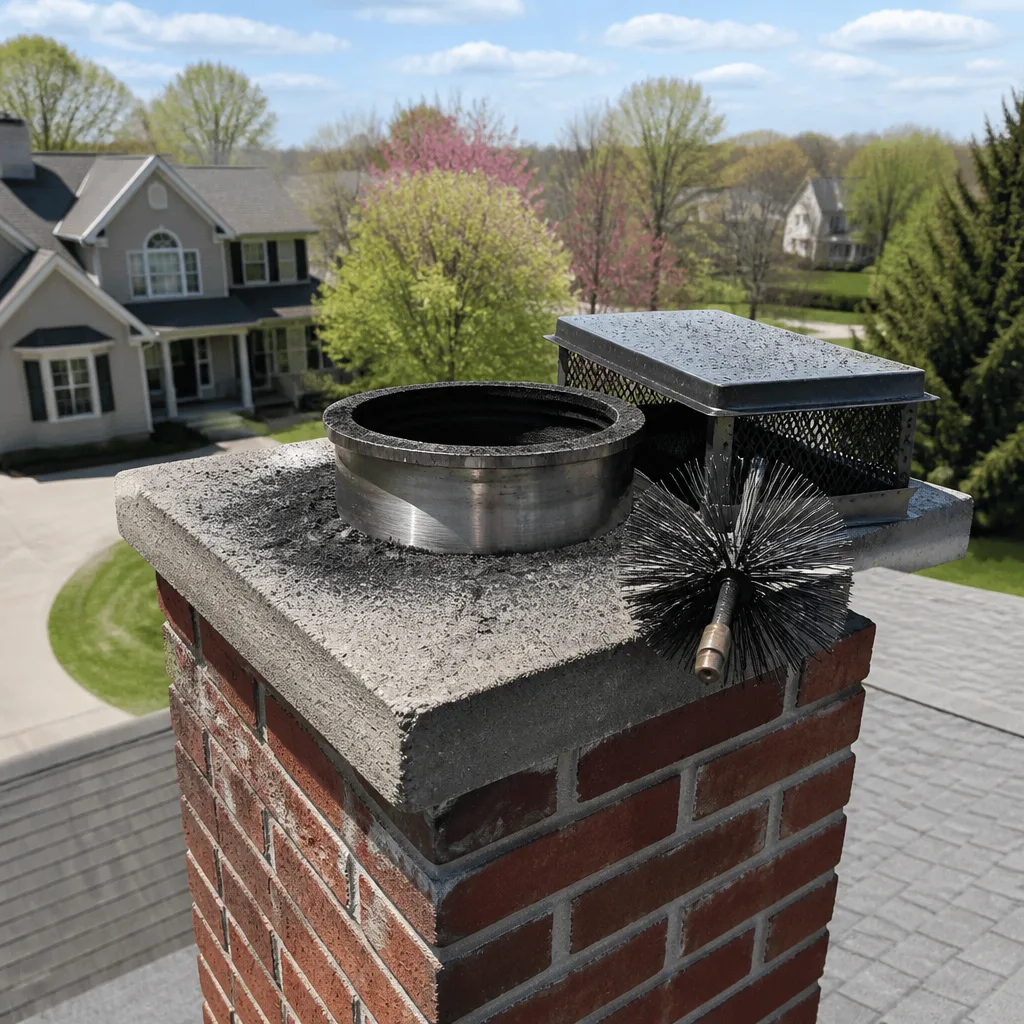
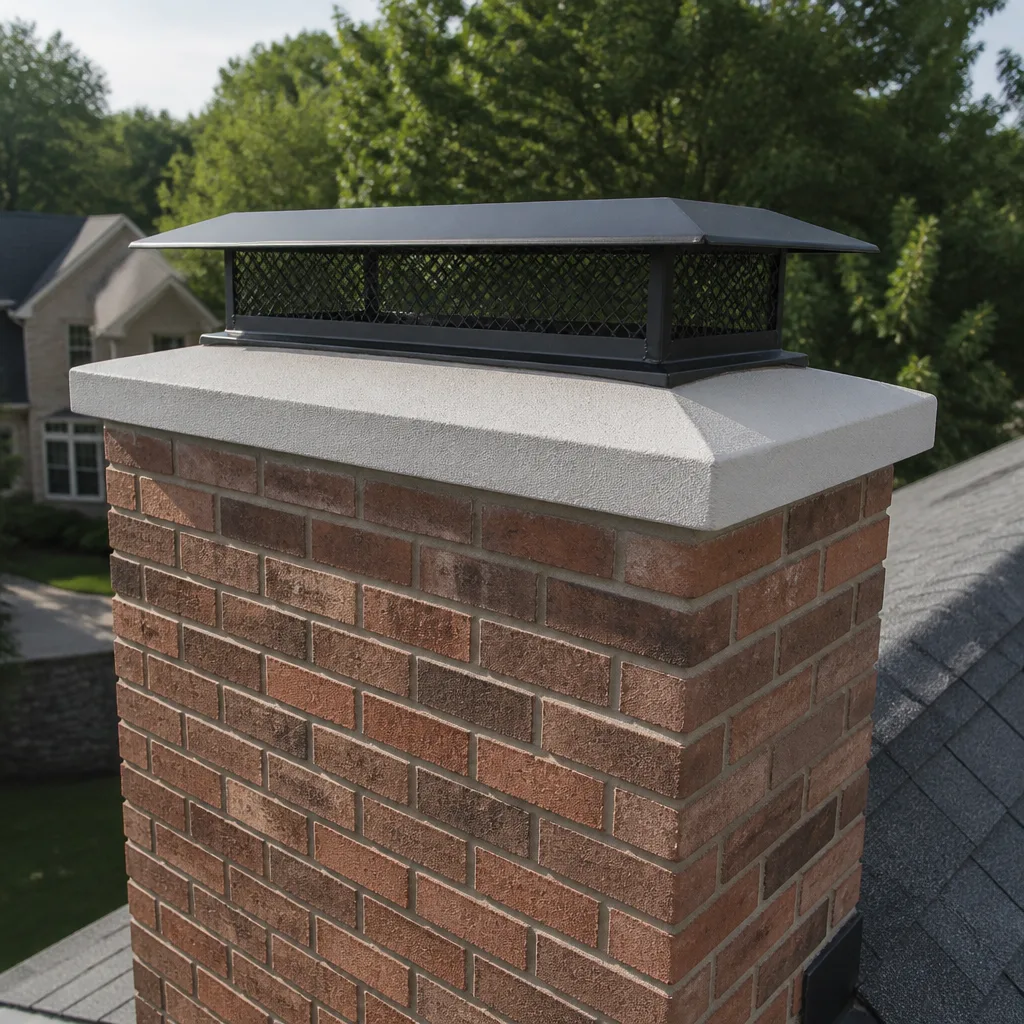
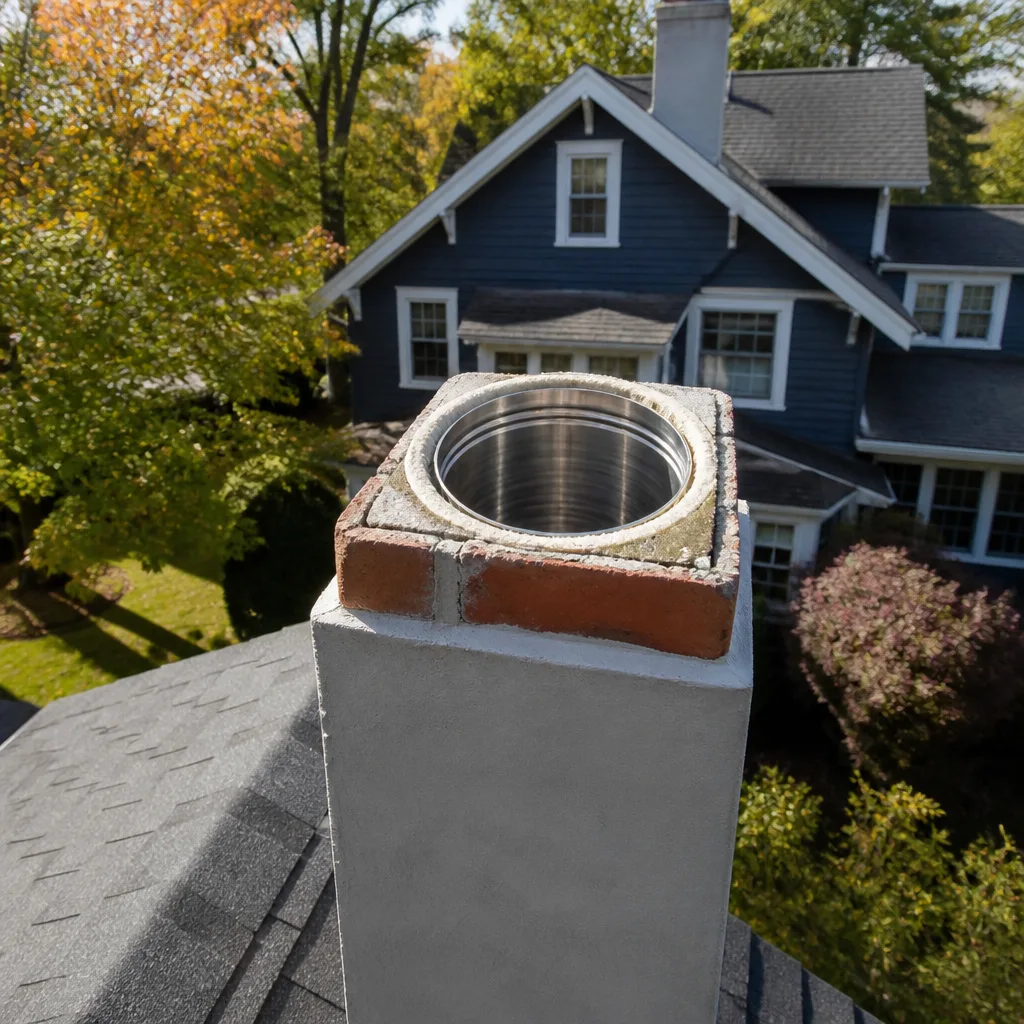
See the difference
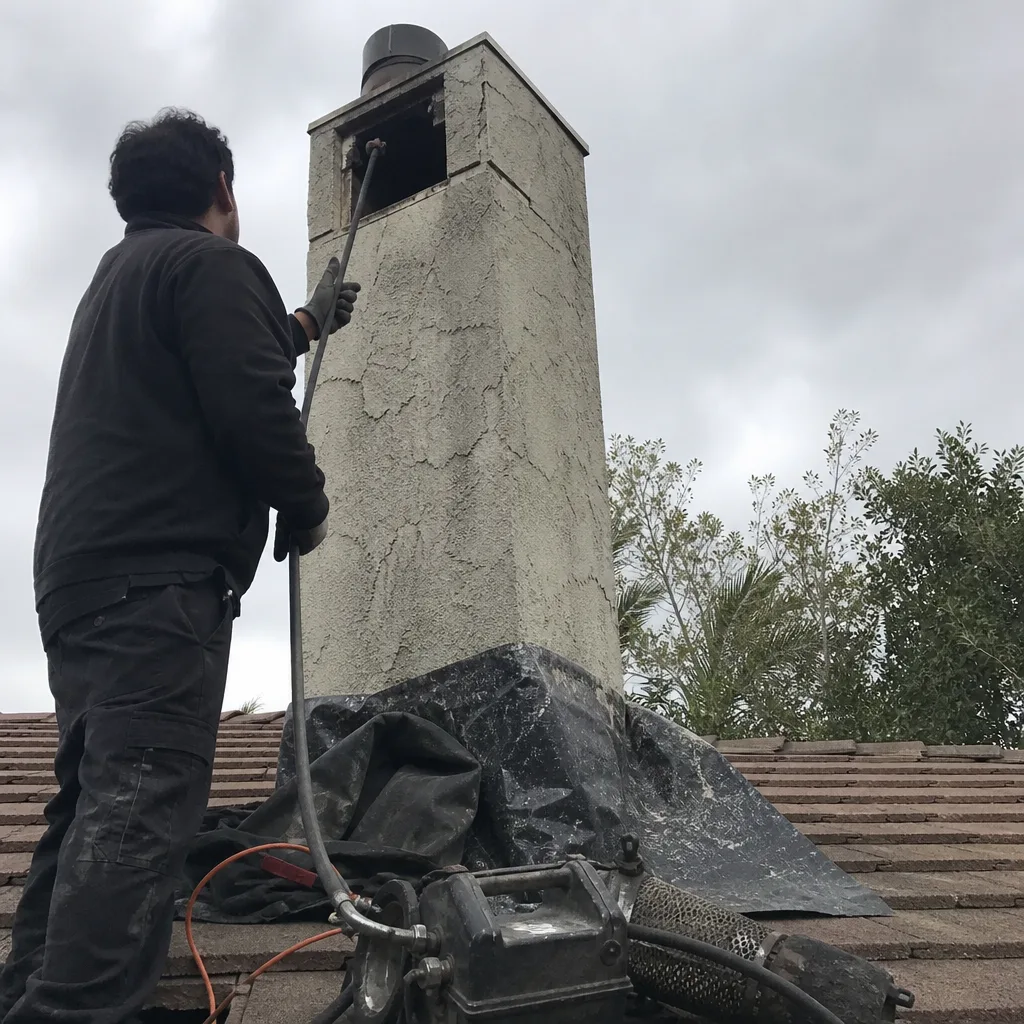 Before
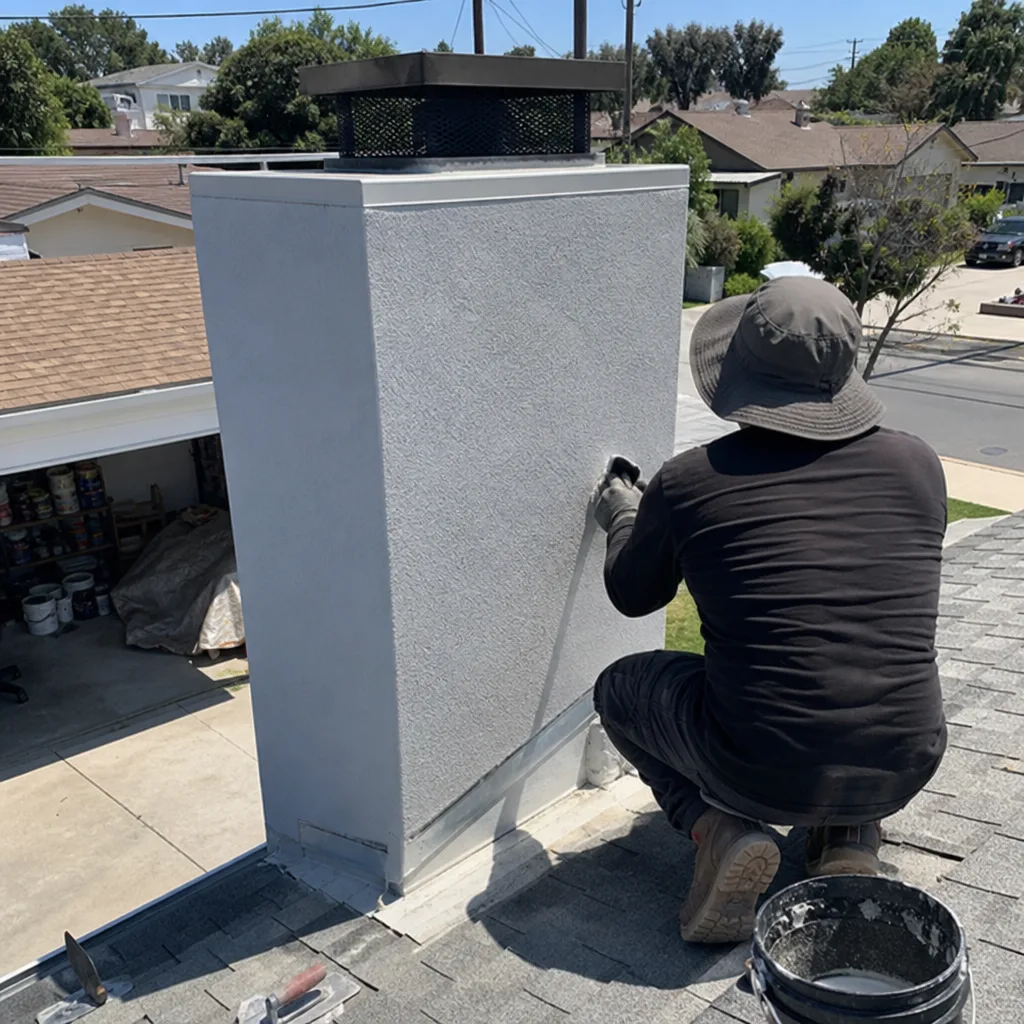 After
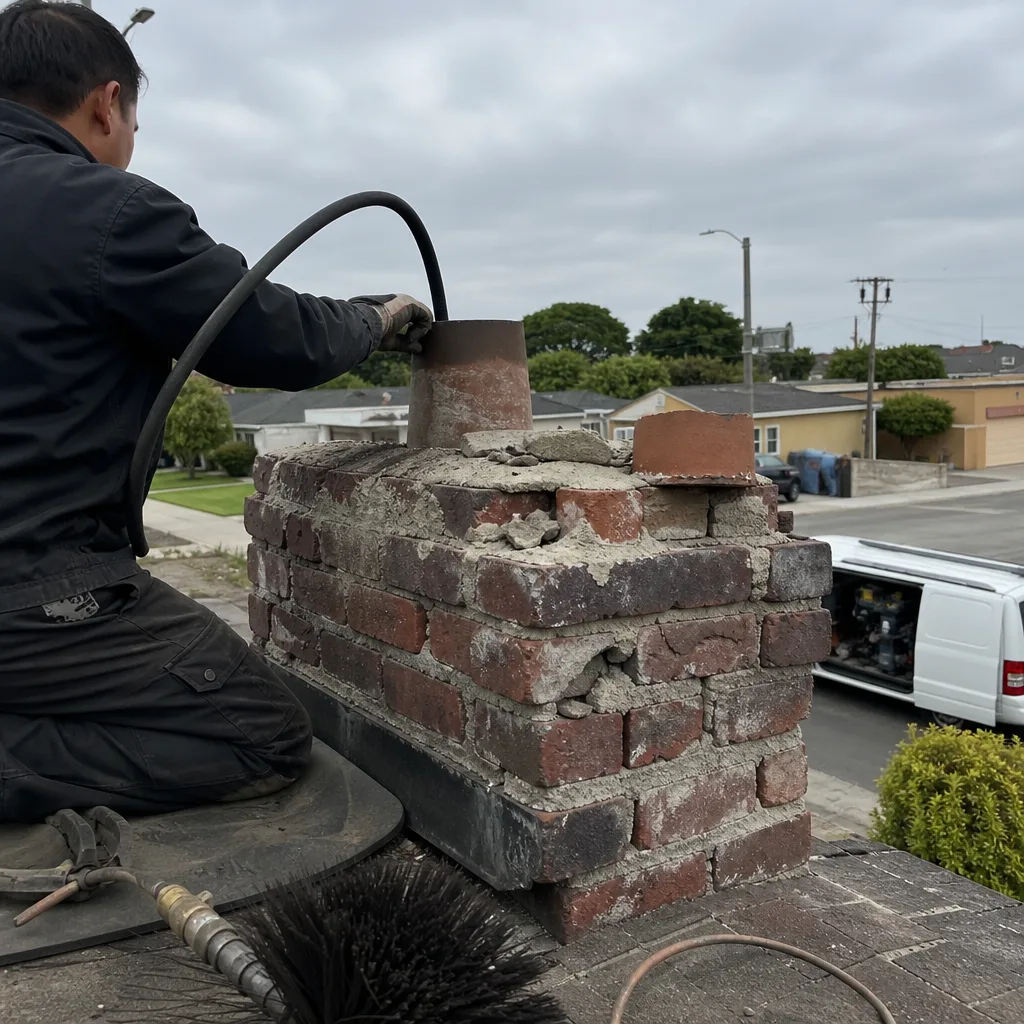 Before
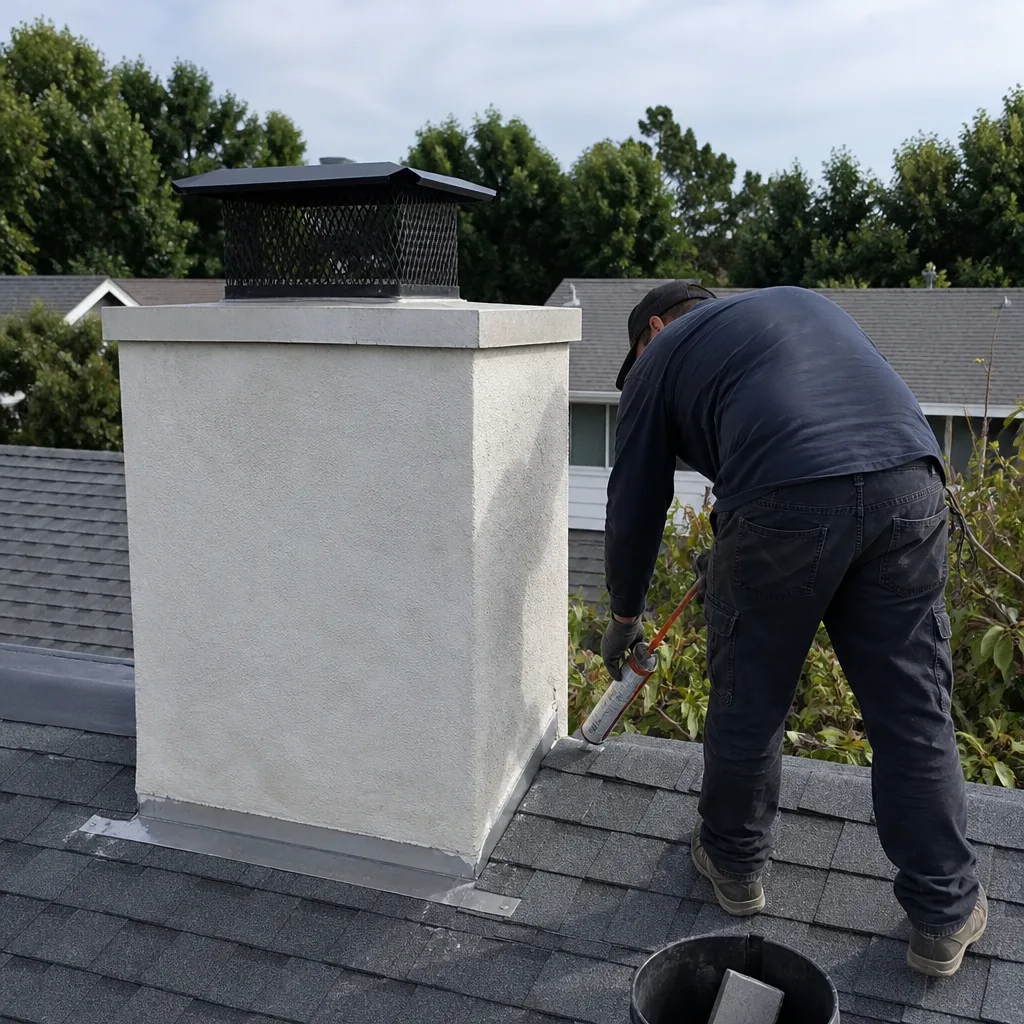 After
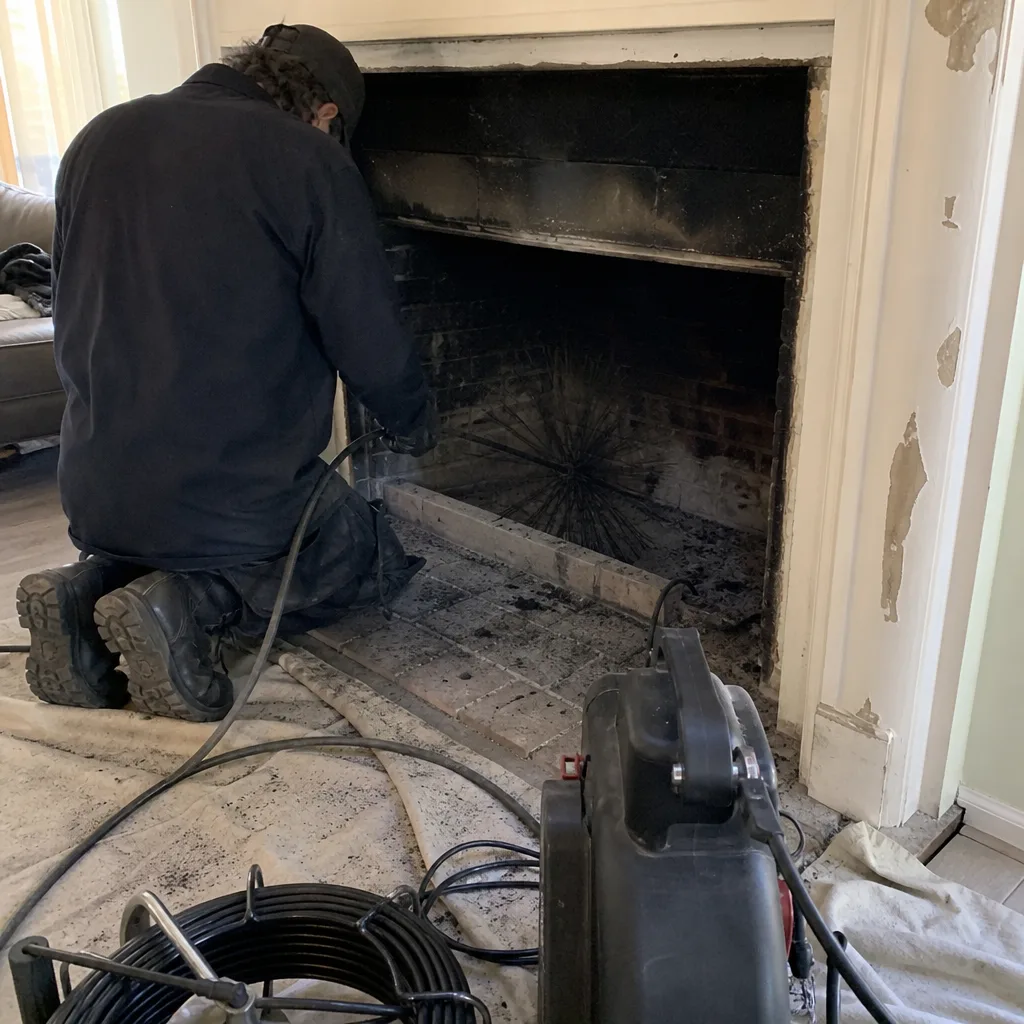 Before
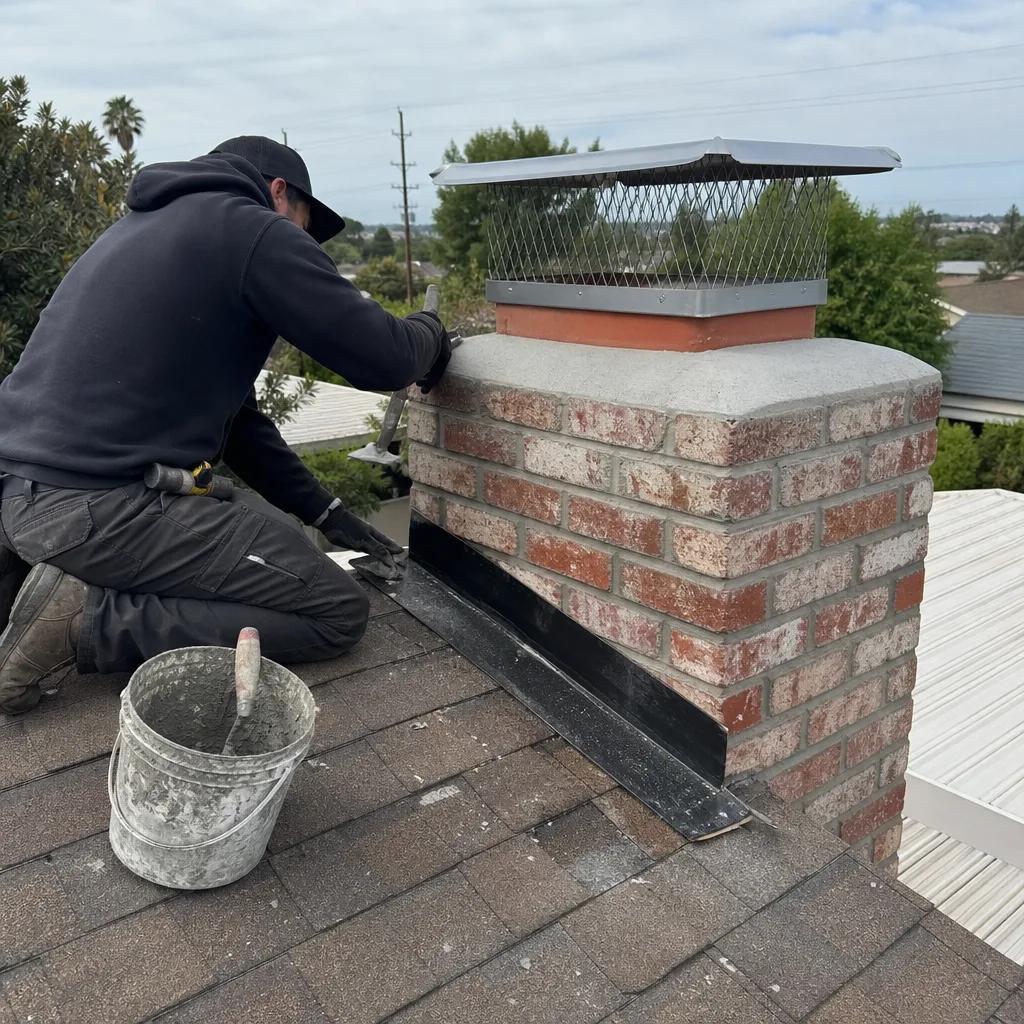 After