
Last updated November 3, 2026
 Sweep & inspection
 Caps & crowns
 Flue relining
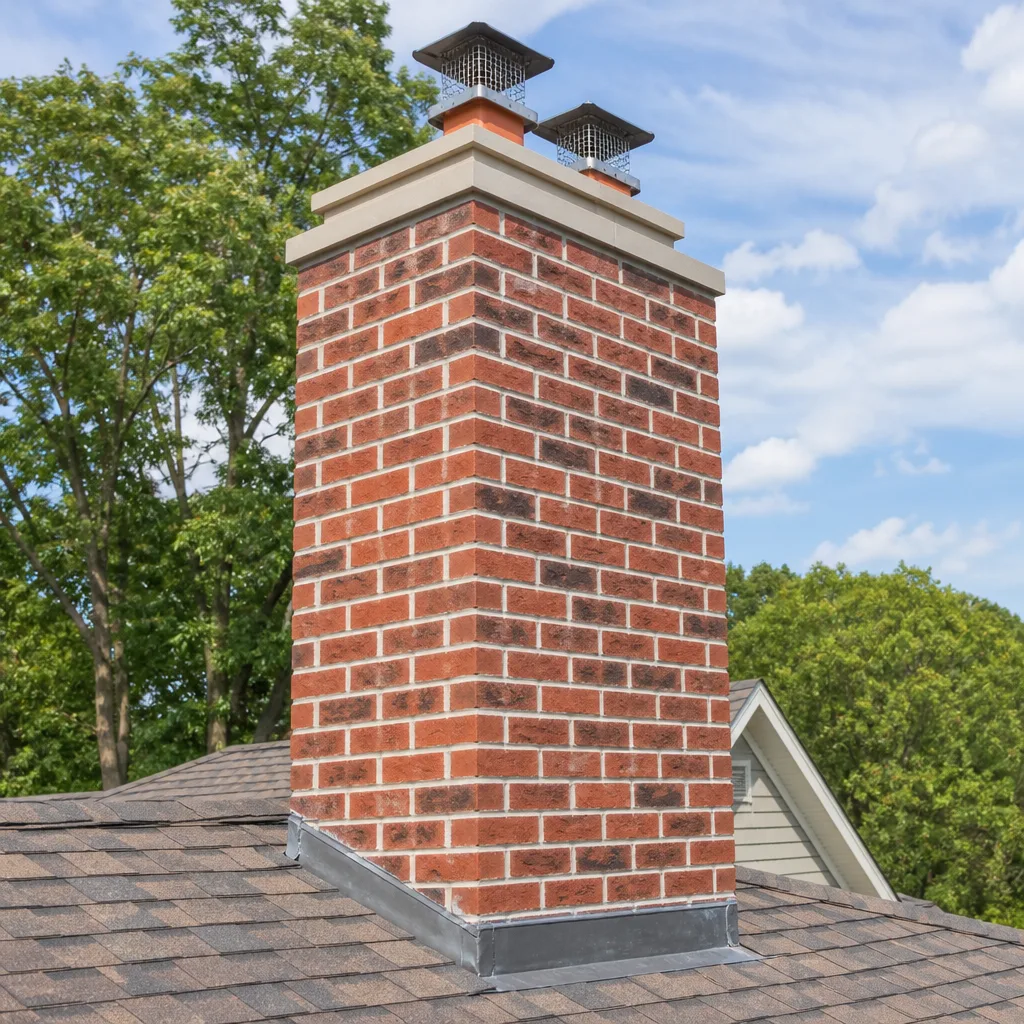 Masonry repair
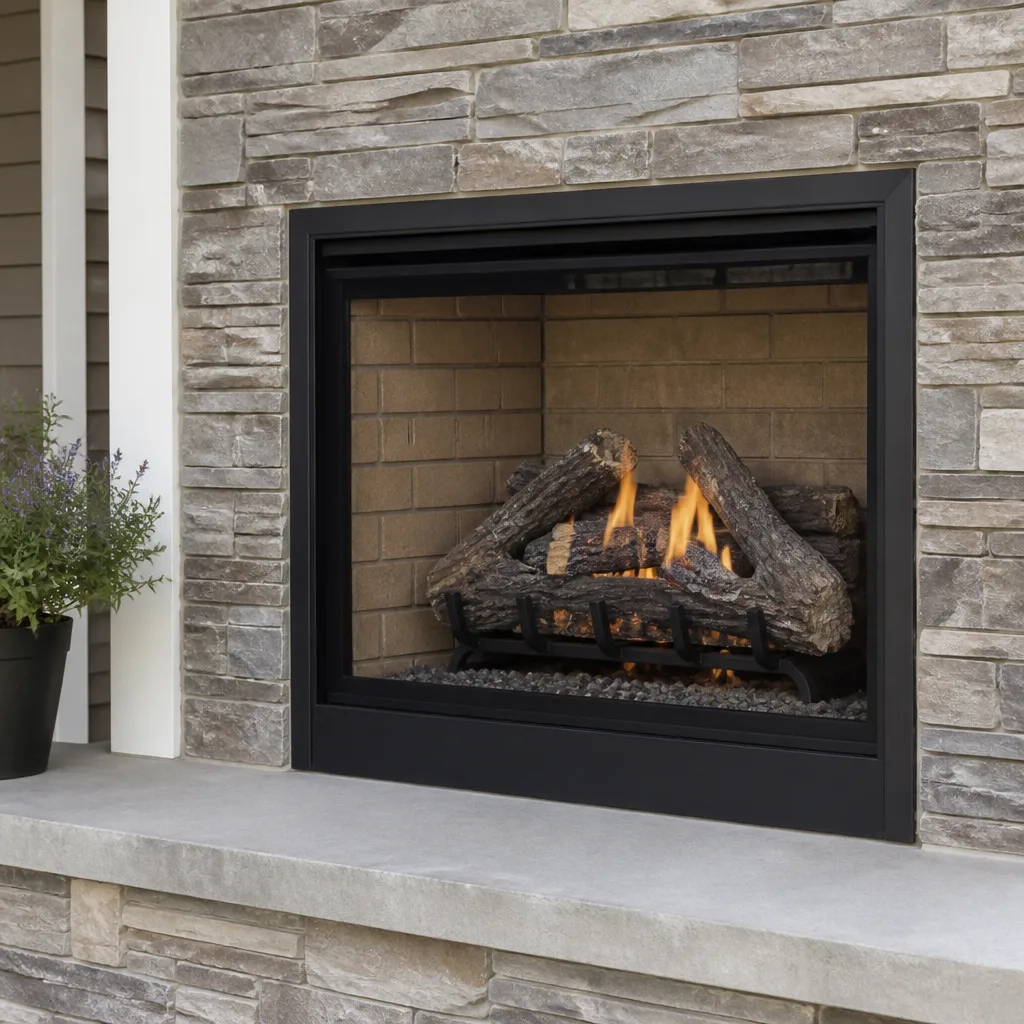 Gas fireplace service
Level 1 sweep and inspection to the NFPA 211 annual standard - flue, crown, cap, and flashing checked and photographed
Chimney sweep logs do not sweep chimneys. They loosen some creosote - which then falls where a brush and vacuum still have to collect it.
The Complete Chimney Sweep Guide for Carson Homeowners
The salt air that rolls in from the Port of Los Angeles accelerates mortar erosion on Carson chimneys faster than most homeowners, or most sweeps, account for, yet nearly every chimney care guide written for Southern California treats the coast and the desert the same way. They are not the same. A chimney in Palm Springs faces a completely different set of stresses than one three miles from the harbor. This guide is built around what actually happens to chimneys in Carson specifically, drawing on the housing stock, the marine layer, the moisture cycles, and the burn patterns that define our corner of Los Angeles County. You will learn what fails first on Carson chimneys, how to spot it before it becomes structural, what a legitimate sweep inspection should include, and how to time your maintenance so you never miss a burn season because of an avoidable problem. For more detail, see The Complete Guide to Chimney Cleaning in Carson.
Quick Answer
A chimney sweep in Carson typically costs $180 to $340 for a standard cleaning and Level 1 inspection, and most homes need it every one to two years depending on burn frequency. What matters more than the sweep itself is the inspection: Carson’s coastal humidity and salt exposure mean mortar crowns and exterior brick deteriorate faster here than inland, so your sweep needs to document those specific failure points, not just push a brush up the flue. You can book our Chimney Sweep services, including the inspection, in one call.
Styles & brands we work with
- Sweep & inspection
- Caps & crowns
- Flue relining
- Masonry repair
- Gas fireplace service
Table of Contents
- Why Carson Chimneys Fail Differently
- What a Professional Sweep Actually Includes
- Level 1 vs. Level 2 Inspections: What Omissions Signal a Cut-Rate Job
- The Low-Usage Creosote Problem: Why Infrequent Burning is Sometimes Worse
- The Carson Maintenance Calendar: What to Check and When
- Common Chimney Types in Carson’s 1960s-1980s Homes
- Dryer Vents: The Chimney Most Carson Homes Forget
- When to Call a Professional
Why Carson Chimneys Fail Differently
Carson sits roughly three miles from the Pacific, directly under a marine layer that rolls in most nights and burns off by mid-morning. That air is not just damp. It carries salt, sulfur compounds, and particulate matter from the port complex, the 405 corridor, and the refineries to the north. For a brick chimney, that means a slow but relentless chemical and mechanical assault. Salt crystallizes inside the pores of mortar and brick. When it does, it expands. When it expands, it fractures. Then the next fog cycle pushes moisture deeper, and the process repeats. In coastal zones like Carson, we see crown spalling and mortar joint erosion on chimneys that are decades younger than inland chimneys with the same level of neglect. A 1970s chimney in Victorville might still have intact crown mortar. The same chimney in Carson often shows visible deterioration by year 40, sometimes earlier if it faces west into the prevailing breeze.
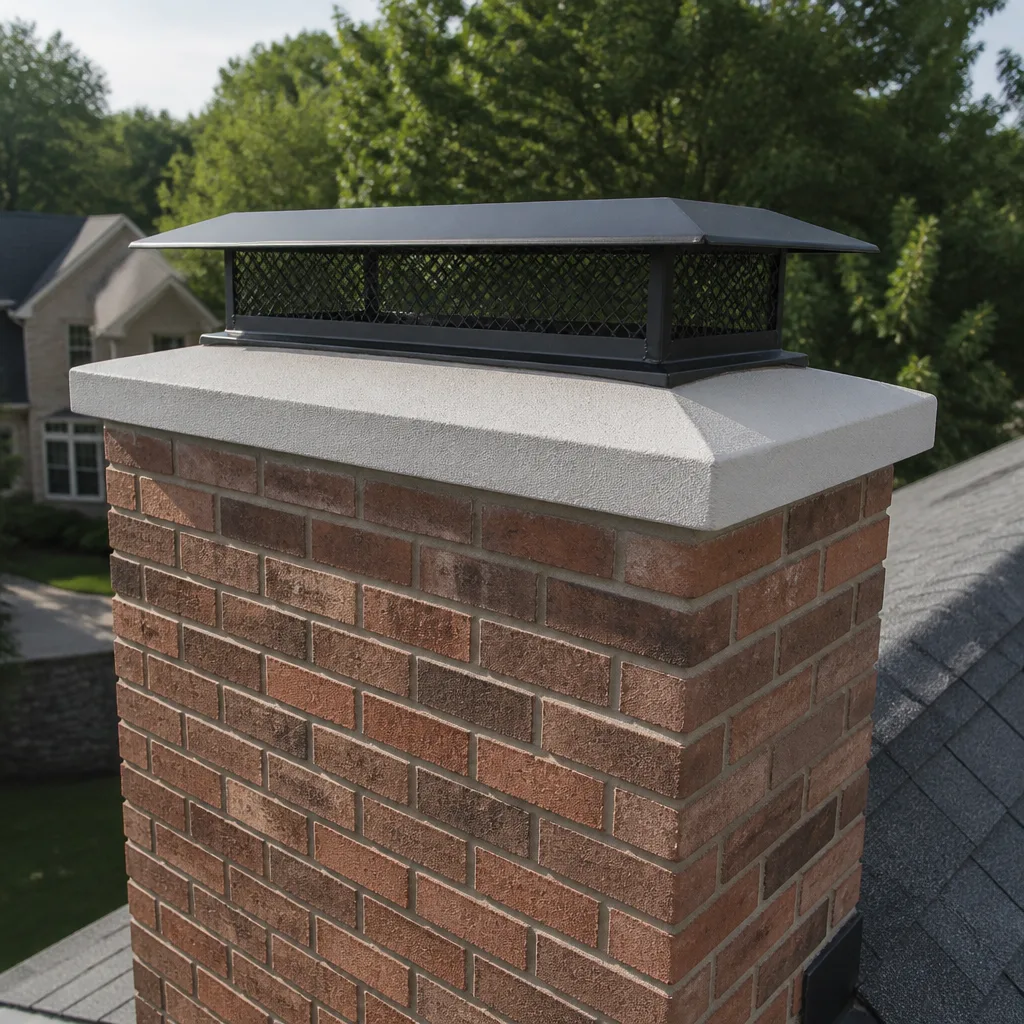
What this means practically is that a sweep in Carson needs to look at the outside of the chimney as carefully as the inside. A $99 “clean and go” special that never puts a ladder against the roof will miss the most common failure point in this city. The crown is the concrete cap that seals the top of the chimney. When it cracks, water enters the chase. When water enters, it breaks down the mortar from within, and the damage accelerates. By the time you see a falling brick or a leaning stack, the repair is structural rather than cosmetic. We tell customers that the outside inspection is not an add-on. For Carson’s climate, it is the main event.
What a Professional Sweep Actually Includes
A legitimate chimney sweeping is not a brush on a pole. It is a defined maintenance procedure with several distinct steps, and you should know what they are before you book so you can evaluate what you are paying for. Here is the sequence a proper sweep follows.
- Interior protection setup. Drop cloths, dust containment, and the right vacuum. A professional sweep uses a HEPA-filtered negative-air setup or at minimum a sealed system that prevents soot dust from circulating through your living room. If the company arrives with a tarp and a prayer, that is a signal.
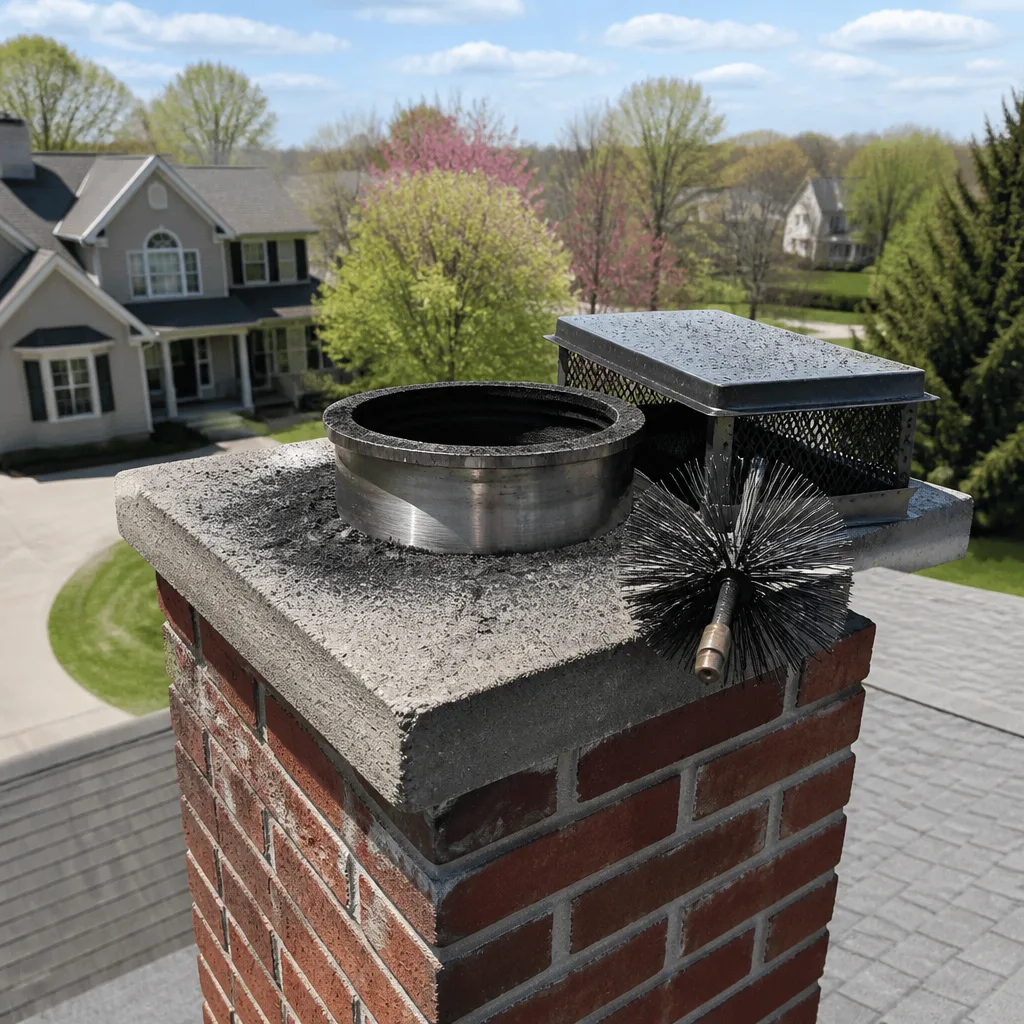
- Mechanical flue cleaning. Wire or poly brushes sized to the flue diameter, run from the top or bottom to dislodge soot, creosote, and debris from the flue walls. The goal is not zero-dark patches. The goal is verified clearance.
- Smoke chamber and damper cleaning. This area accumulates a surprising amount of creosote and debris. Many budget sweeps skip it because it is awkward to reach. Ours do not.
- Firebox inspection and cleaning. Removal of ash and debris, plus a visual check for cracked firebrick, loose mortar, or damaged refractory panels.
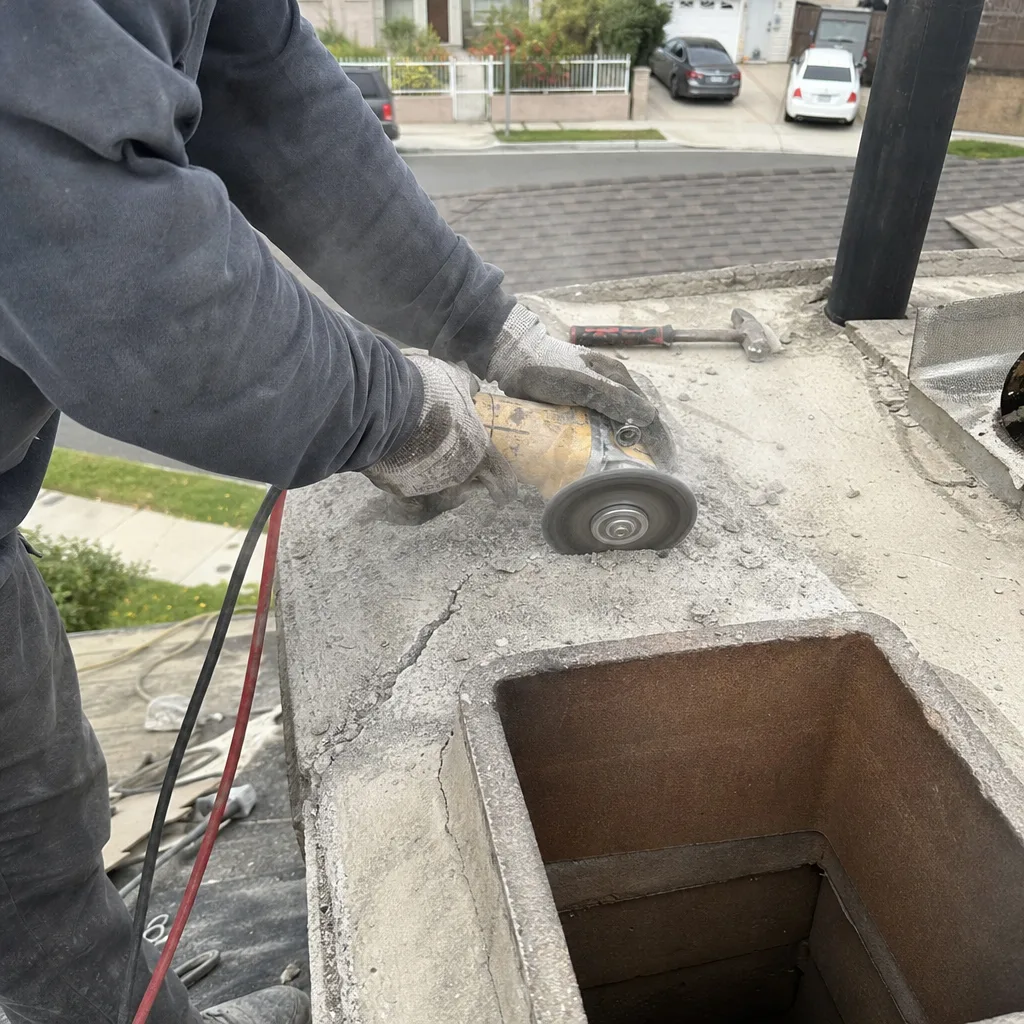
- Exterior inspection: crown, cap, flashing, masonry. This is the Carson-specific non-negotiable. The crown gets checked for hairline cracks, the cap for rust or blockage, the flashing where the chimney meets the roof, and the brick or stone for spalling, efflorescence, and mortar erosion.
- Written findings. You get a clear summary of what was found, what it means, and what fixing it requires. No verbal shrug. No vague “you should keep an eye on that.” You get documentation.
We install and work with professional-grade products when repairs are needed: DuraFlex stainless steel liners, HeatShield ceramic resurfacing, and Copperfield and Famco components. These are the same materials professional chimney contractors specify, not generic commodity parts. The reason that matters is simple: if your sweep finds a cracked flue liner during step 5, the same company should be able to fix it. You should not have to schedule a second company, wait two weeks, and hope the new contractor trusts the old contractor’s notes. Single-accountability cleaning and repair is the entire point of hiring a specialist. To see how we approach the sweep itself, visit our Chimney Sweep in Carson service page.
Level 1 vs. Level 2 Inspections: What Omissions Signal a Cut-Rate Job
The National Fire Protection Association defines three levels of chimney inspection. Understanding the first two will help you immediately identify whether a sweep is doing a real job or just burning your money.
Level 1 is the routine inspection that accompanies every standard cleaning. It covers the readily accessible areas of the chimney: the flue interior with whatever lighting the sweep can get in there, the firebox, the damper, and the exterior from the roofline. If the chimney is in continuous use and nothing has changed since the last sweep, a Level 1 is appropriate. A real Level 1 includes the crown. If your sweep never goes on the roof, you did not get a Level 1. You got a vacuum performance.
Level 2 is required when anything significant changes: you buy the home, you switch fuels, you change the liner or firebox, an event occurs (a chimney fire, a lightning strike, the Big One), or you are relining an existing flue. A Level 2 adds video scanning of the flue interior, evaluation of the chimney from the roofline and attic areas, and a close inspection of the exterior including the crown and flashing. It documents what cannot be seen from the top. In Carson, where many home sales are mid-century tract homes that have never had their chimneys inspected in decades, a Level 2 makes sense as a baseline when you move in. Skip it and you are assuming a 50-year-old chimney is sound because nobody has told you otherwise.
What omissions signal a cut-rate job:
- No roof access. The crown is where Carson’s moisture problems start. A sweep that refuses to get on the roof is not doing an inspection.
- No written report. “Looks good” is not documentation. A real sweep hands you something you can reference next year.
- No interior liner assessment. Whether by video scan or lighting and mirror, someone needs to actually look at the flue walls. A brush cleans. An inspection looks.
- Skipping the damper check. A damper that does not seal is a year-round energy and moisture leak. It takes two minutes to check. If they skip it, wonder what else they skipped.
- No discussion of the crown or cap. In Carson, these are the leading failure points. Ignoring them is either inexperience or indifference.
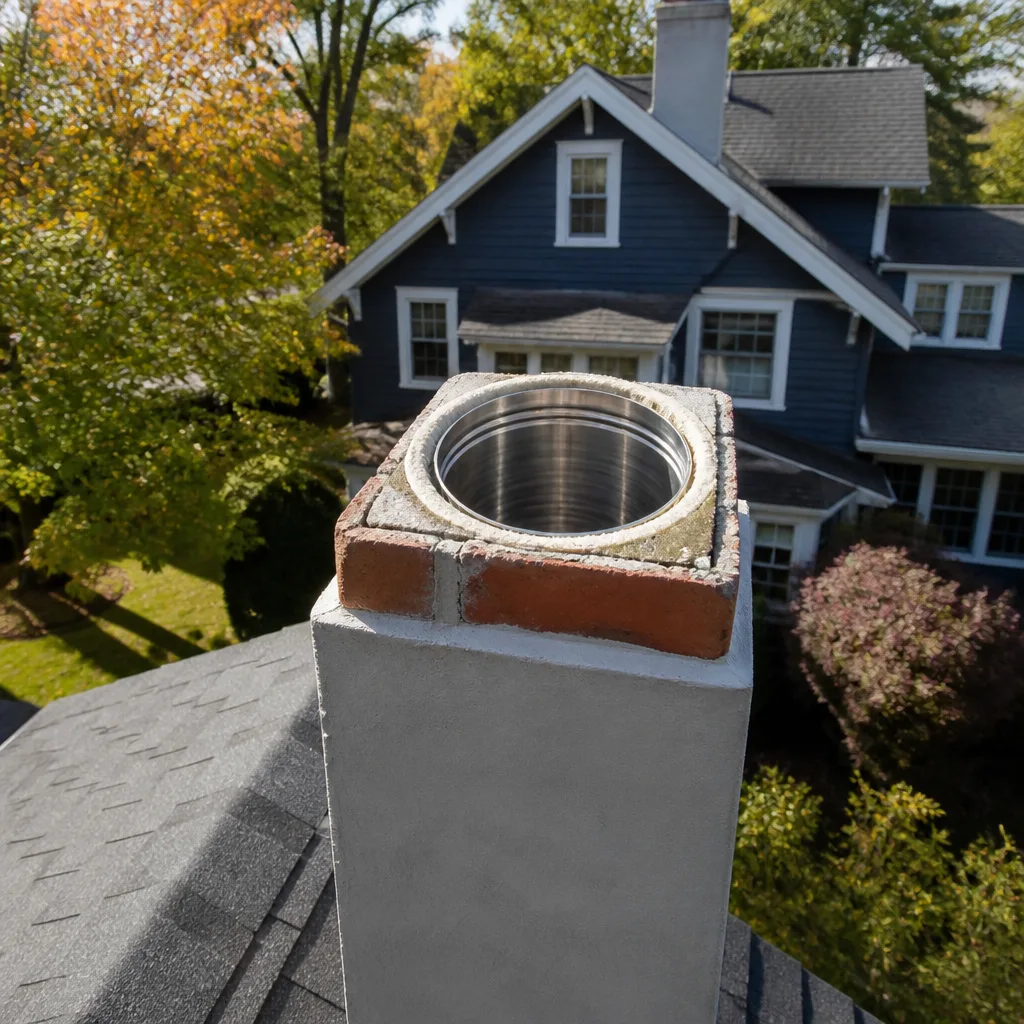
If the inspection turns up a deteriorated flue liner, we offer HeatShield, a ceramic resurfacing product that restores compromised liners without a full teardown, and DuraFlex stainless steel relining for chimneys that need a full-system upgrade. Both are covered in more detail on our Chimney Repair in Carson page.
The Low-Usage Creosote Problem: Why Infrequent Burning is Sometimes Worse
Carson does not have a bitter winter. We get a couple of cold snaps in December and January, maybe a few more evenings where a fire feels nice but not necessary. That means many fireplaces in this city burn fewer than twenty times a year. Homeowners assume light use means light maintenance. The opposite is often true.
Creosote forms when wood smoke condenses on the flue walls. That condensation is driven by temperature differential: the flue is cold, the smoke is warm, and the byproducts drop out of the gas stream. In a chimney that is used frequently and brought up to temperature properly, the flue walls warm up and the creosote buildup is partially mitigated by the heat cycle itself. In a chimney that is used rarely, every fire is a cold-start fire. The flue never gets warm, the smoke never draws efficiently, and the creosote deposition rate per burn is higher. Burn twenty inefficient cold fires a year and you can accumulate more creosote than a household that burns a hundred hot fires with a properly preheated flue. Creosote is fuel. A chimney fire needs two things: creosote and heat. A spark from your fireplace into a lightly coated flue is usually nothing. A spark into a heavily glazed, cold-start flue is a different story.
This is why the “I barely use it” defense does not hold up. Low usage changes what you need to watch for, but it does not eliminate the need to watch. The good news is this: in our experience, low-usage chimneys in Carson are usually structurally fine and just need a proper cleaning every 18 to 24 months plus a close exterior inspection. The problems lie in neglected crowns and caps, not overuse. But the creosote is still there, and it still needs to come out.
Common Chimney Types in Carson’s 1960s-1980s Homes
Carson’s residential boom ran from the late 1950s through the early 1980s, and the chimney stock reflects it. Most homes in the city fall into one of three categories, and each has a specific failure profile.
Masonry chimneys with clay tile liners. These are the original equipment on most mid-century tract homes. They are brick or masonry block on the exterior with a terra cotta clay flue liner inside. The liners are durable for decades, but the mortar joints between the clay tiles break down with time and moisture. Once the joints open, hot gases and moisture reach the brick structure. In Carson, the salt air accelerates the exterior mortar deterioration even when the interior is sound. The most common failure we document on these chimneys is crown cracking, followed by mortar joint erosion between the clay tiles.
Prefab or factory-built chimneys. Common on late-1970s and 1980s builds. These use a metal flue pipe inside a framed chase. The pipe itself is stainless steel, but the chase top, chase cover, and flashing are exposed metal that rusts in Carson’s salt air. When the chase cover rusts through, water drops straight down into the firebox and the framing. Oddly, the chimney itself is low-maintenance. The failed chase cover is what causes the damage. These chimneys also have specific installation clearances that homeowners unknowingly violate when they store boxes and furniture around them. A sweep should check the chase and the clearances.
Mixed or partially converted chimneys. These are masonry or prefab chimneys that have been modified over the years. Typically a gas log set installed into a wood-burning firebox, or a direct-vent insert retrofitted into an existing masonry flue. Each conversion changes the venting requirements, and many were done with parts from the wrong era or the wrong manufacturer. Common issues include improperly sized liners, missing or incorrect caps, and combustion air problems. These chimneys require the most careful inspection because a previous homeowner’s retrofit is often the source of current problems.
If you are not sure what kind of chimney you have, the answer is usually printed on the damper, the firebox, or the chase cap. A quick photo to a qualified sweep will usually tell you, and a knowledgeable inspection will tell you more.
The Carson Maintenance Calendar: What to Check and When
Carson’s burn season is short but defined. Most homeowners light their first fire around Thanksgiving, burn regularly through New Year’s, then taper off by Valentine’s Day. The maintenance calendar is built around that reality, plus the spring moisture cycle that follows the rainy months.
September to October: Pre-season inspection and sweep. Book your sweep before you want your first fire. October is ideal. The weather is still warm, the marine layer is thinning, and any repairs discovered have six to eight weeks to be completed before December. If you wait until the week before Thanksgiving, you will be competing for slots with every other homeowner in the city. Book early, have it done, and your first fire is guilt-free.
November: First burns. Burn one or two small fires before you load it up for an evening. Get the flue warm, check the draw, watch for smoke spilling back into the room. This is your operational check after the sweep. If anything feels off, you still have time to get someone back out before the holidays.
December through February: Normal use with regular checks. Every few weeks, do a quick visual check of the firebox and the visible upper flue with a flashlight. Look for flaking creosote, visible soot buildup, or any change in how the chimney draws. If you see something different, call before it becomes something bigger.
March to April: Post-moisture exterior inspection. Walk around your house after the winter rains and look up. Check the crown area from the ground as best you can, and look for any new cracking, spalling brick, or efflorescence (white chalky mineral deposits on the brick face). Efflorescence means water is moving through the masonry, and in Carson it is a leading indicator of mortar breakdown. If you see it, have a sweep inspect the crown and flashing before next season.
Every 5 years: Video scan. Even with regular sweeps, we recommend a video scan of the flue interior every five years for masonry chimneys and every three for converted or prefab systems. The interval catches developing liner problems before they require full restoration. This is not a scare tactic. It is a documented inspection trail for your own records.
Dryer Vents: The Chimney Most Carson Homes Forget
A dryer vent is not a chimney in the traditional sense, but it serves the same function: moving hot, particulate-laden exhaust out of the house. And it is the leading cause of home fires linked to any venting system. The NFPA has documented clothes dryer fires as a primary residential fire source for years, and the overwhelming majority are caused by lint accumulation in the vent line. Every homeowner knows to clean the lint trap. Almost no one cleans the vent line behind the dryer, and that is where the hazard lives.
Carson homes, particularly the older tract housing, tend to have long dryer vent runs. A laundry room in the center of a 1960s ranch may vent twenty feet through a wall, under a slab, or up through the attic to a roof cap. Every foot of that run collects lint. The tighter the bends, the more it collects. It is not a question of whether lint builds up. It is a question of how much. When the vent is partially blocked, the dryer runs hotter and longer, and the lint itself becomes the fuel load for a fire that starts inside a wall cavity where you cannot see it and your smoke detector cannot reach it.
We clean dryer vents as a core service, not an afterthought, because the fire risk is real and the service is cheap compared to the alternative. If you have not had your dryer vent cleaned in years, or if your drying cycles have slowly gotten longer without explanation, that is the vent telling you something. Bundle it with your chimney sweep and the trip cost disappears. For more on this specific risk and how we address it, see our Dryer Vent Cleaning in Carson page.
See the difference
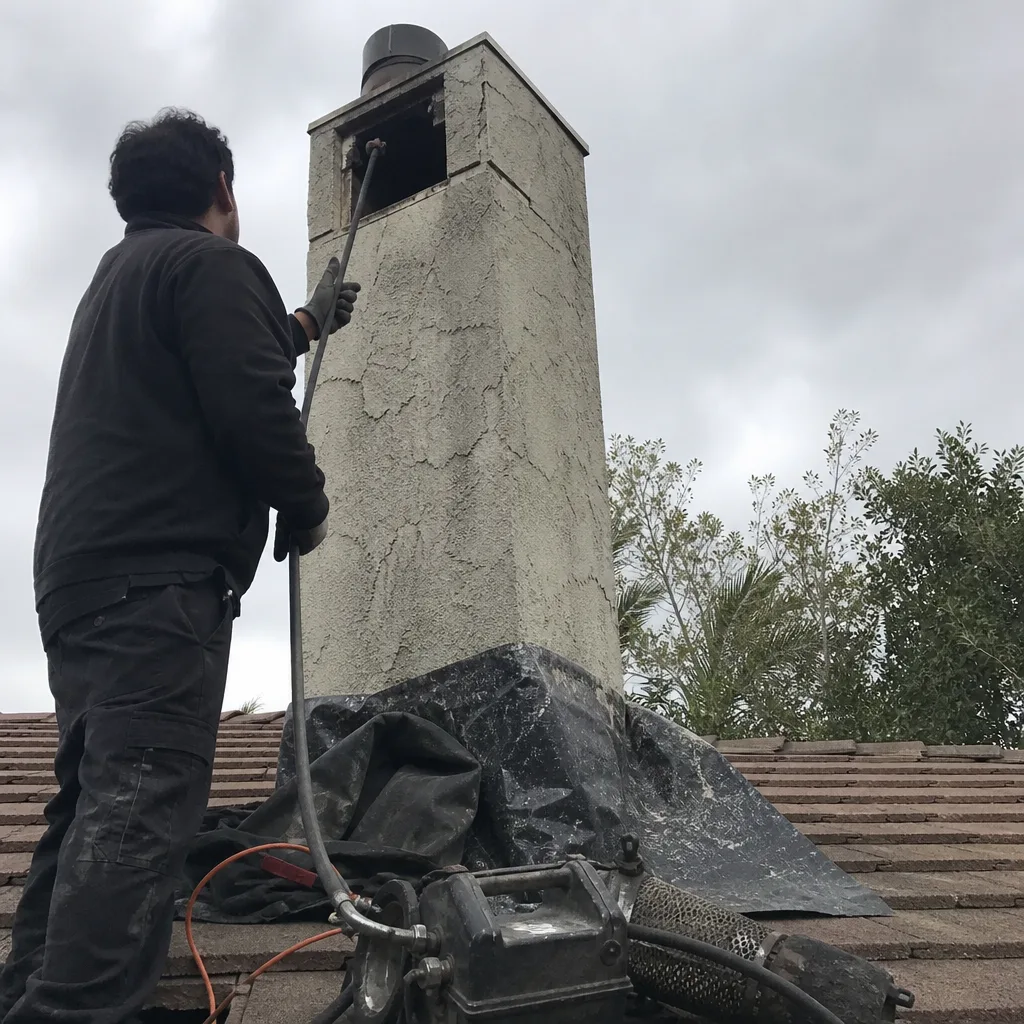 Before
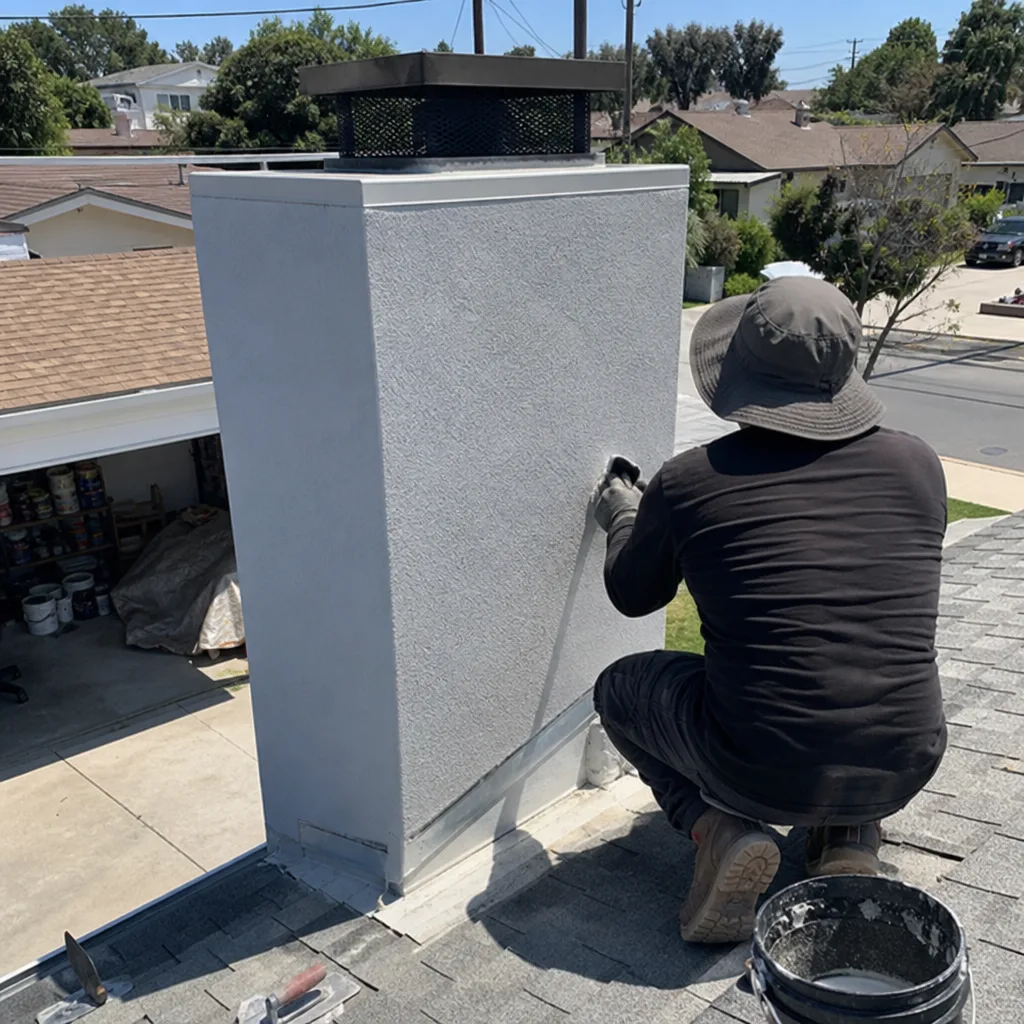 After
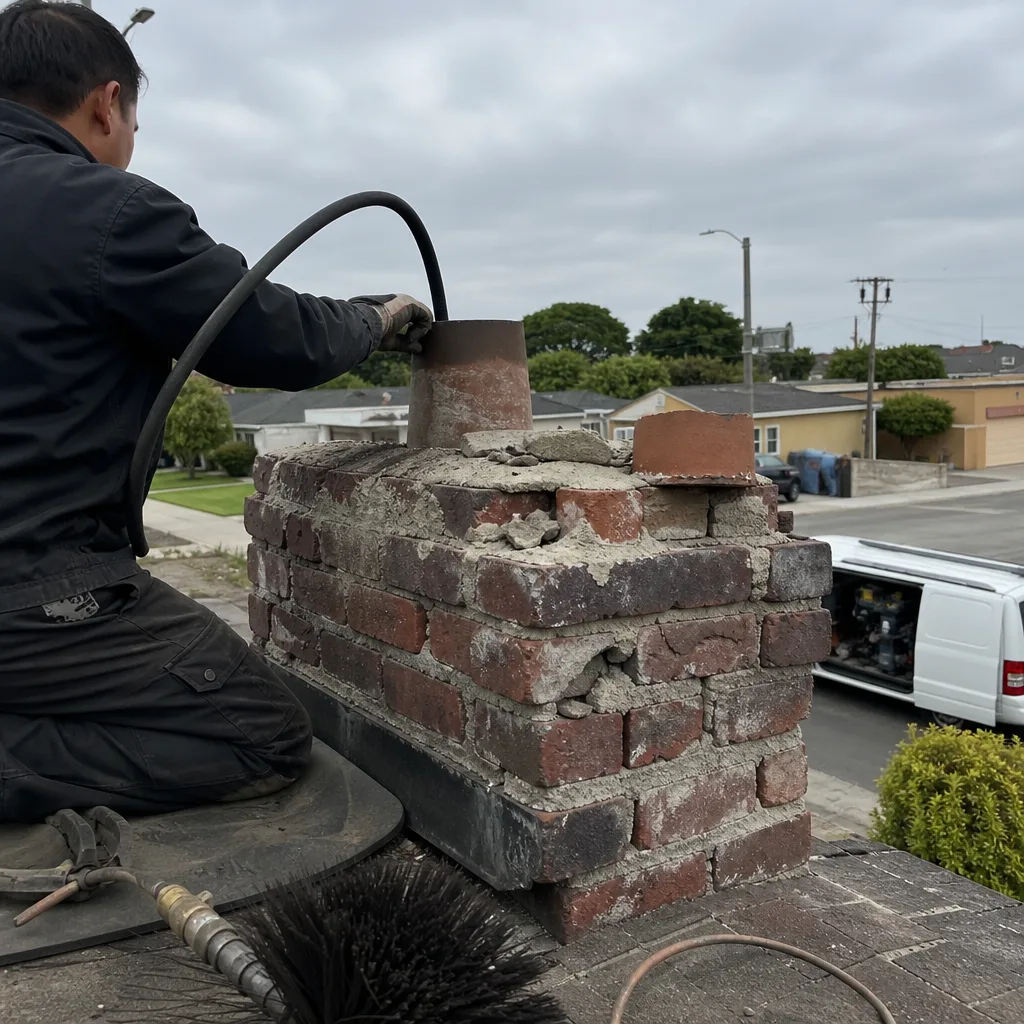 Before
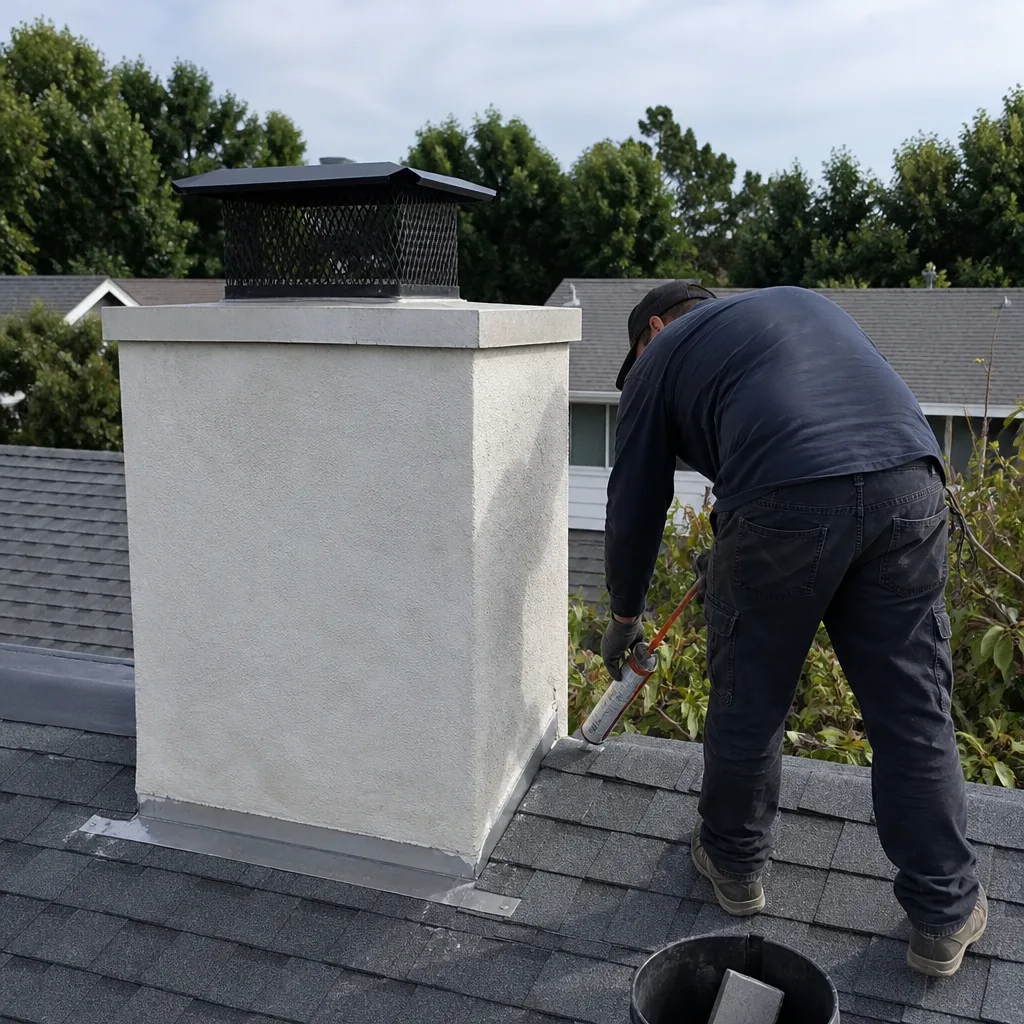 After
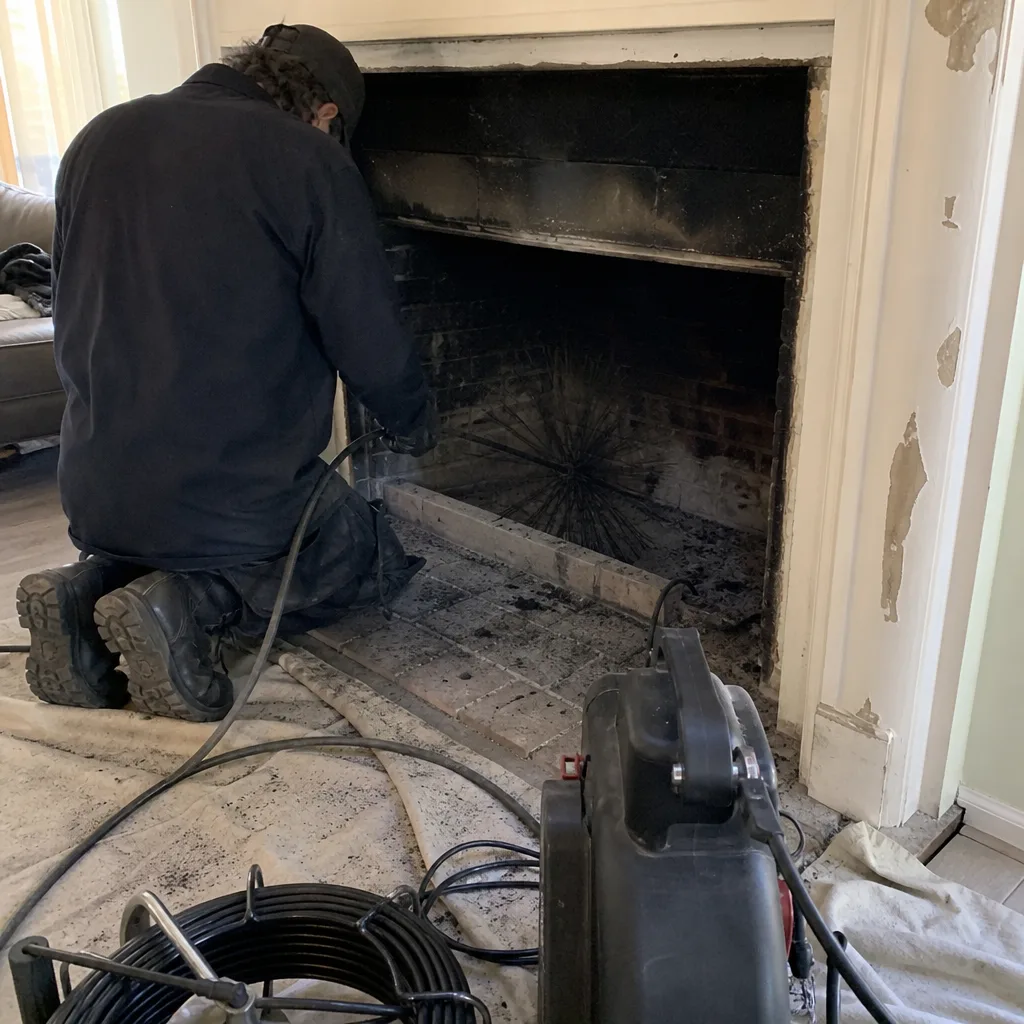 Before
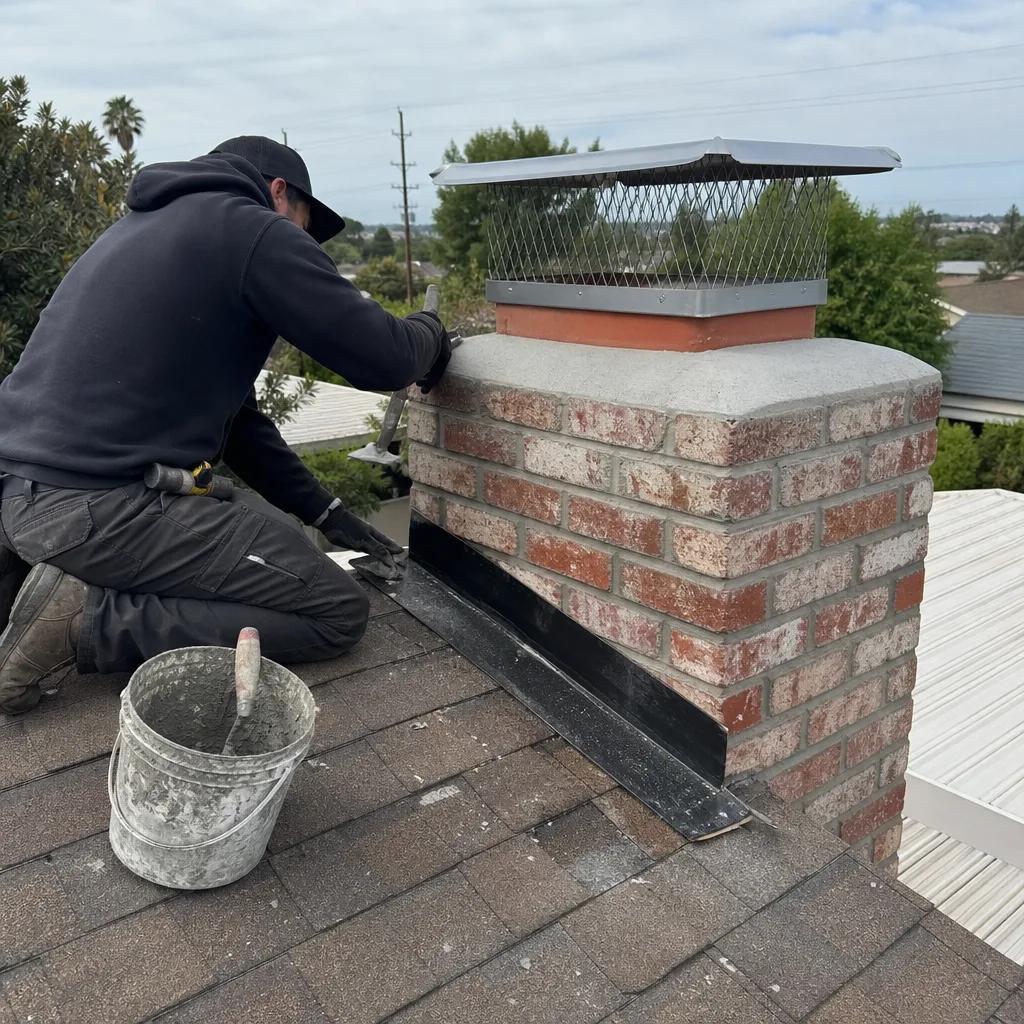 After
Common Mistakes to Avoid
- Assuming light use means no maintenance. As covered above, infrequent burning can create a creosote-heavy flue because every fire is a cold-start fire. Get it swept on a schedule, not on a feeling.
- Ignoring the crown because you can’t see it. The crown sits on top and fails silently. By the time you see interior water stains or exterior brick spalling, the damage is already structural. An annual roof-level look is the cheapest insurance you can buy.
- Hiring a sweep that won’t go on the roof. In Carson’s climate, the exterior of the chimney is where the money problems begin. A ground-level-only inspection is an incomplete inspection.
- Burning unseasoned or wet wood. Coastal humidity means wood stored outside in Carson never fully dries unless it is covered. Wet wood produces more smoke, more creosote, and less heat. Buy seasoned wood and store it covered.
- Converting to gas logs without relining the flue. Gas converts to a different exhaust profile. The liner that was adequate for wood may not be sized correctly for a gas appliance, and the result is condensation that deteriorates the flue from the inside. Get a Level 2 inspection before the conversion, not after.
- Never cleaning a dryer vent that has never been cleaned. If you have lived in your home for five years and never had the dryer vent cleaned, yours is one of the majority. That is not comfort. That is the problem.
- Waiting until December to schedule a sweep. By mid-November, the schedule is full. Your maintenance should be done before the season starts, not after every other chimney in the city has already failed.
When to Call a Professional
Call a professional when you see efflorescence on the chimney brick, when you notice mortar crumbs on the roof or the ground around the chimney base, when your fireplace smokes back into the room on a normal draw, when your dryer takes two cycles to dry a standard load, when you see rust staining around the chase cap, or when you buy a home with a fireplace and have no documented inspection history for it. Any one of those is a trigger for an evaluation. None of them should wait until the next burn season. Chimney Sweep Carson offers free estimates in Carson. Call (833) 593-4907 and we will tell you exactly what we found, what it means, and what fixing it requires. No upsell theater.
Frequently Asked Questions
A standard chimney sweep in Carson runs between $180 and $340 for the cleaning and Level 1 inspection, depending on the chimney height, the type of flue, and whether it is a masonry or prefab system. The price shifts upward if a video scan is added or if repairs are discovered. Call (833) 593-4907 for a flat-price quote before booking. Estimates are free and the sweep price is locked before we start.
For a wood-burning fireplace, every one to two years depending on usage. For a fireplace that burns fewer than twenty fires a year, an 18- to 24-month cadence is usually sufficient, but the exterior inspection should still happen annually in Carson because of the moisture and salt exposure. For a gas-only fireplace, every two years is adequate unless you notice soot buildup or venting problems.
Not necessarily. A cracked clay tile liner can often be restored with HeatShield, a ceramic resurfacing product that fills and seals the compromised areas without a full teardown. If the liner is severely deteriorated or the flue is undersized for the current appliance, a stainless steel relining with DuraFlex is the more durable solution. The decision should be based on a video scan, not a guess. Request the scan, look at the images yourself, and then decide. We show you the footage before we ever recommend a repair.
Three things. First, creosote accumulates, and creosote is fuel. A chimney fire is the result. Second, the crown and mortar joints continue to crack under Carson’s moisture cycle, and water intrusion leads to structural deterioration that costs thousands to rebuild rather than hundreds to repair. Third, your home insurance company may deny a fire or water damage claim if the chimney was visibly neglected. Maintenance is cheaper than all three.
You can clean a chimney yourself if you are comfortable on a ladder, have the right equipment, and understand the limitations. What you cannot do yourself is the inspection. A professional sweep is looking for specific failure patterns, many of which are not visible to an untrained eye and are not reachable from the firebox. Given that the inspection is the part that actually prevents fires and structural damage, the DIY route saves money and loses the entire point of the exercise. Read DIY vs Professional Chimney Cleaning: The Carson Homeowner’s Decision Guide for a full comparison.
Yes, and it affects Carson more than inland zip codes because of the combination of marine moisture and salt aerosol from the port. Salt crystallizes in the mortar pores, accelerating spalling and joint erosion. Homes in the 90810 and 90745 zip codes, closer to the harbor, typically show faster exterior deterioration than homes toward the 110 freeway. If your chimney faces west or southwest into the prevailing breeze, the effect is amplified. This is not a theory. It is a documented material-science process, and it is why exterior inspection is non-negotiable in this city.
The Bottom Line
A chimney in Carson is not the same as a chimney in Temecula. The salt air, the marine layer, the mid-century housing stock, and the sporadic burn patterns all combine to create a specific maintenance profile, and a generic sweep checklist does not address it. What works is a repeatable system: inspect the exterior crown and mortar annually, sweep the flue every one to two years, video-scan every five years, and address problems when they are small and cheap rather than structural and expensive. Hire a specialist who can both find and fix, not a brush-and-run operator who refers you out for everything they discover. We tell you exactly what we found, what it means, and what fixing it requires. Call (833) 593-4907 for a free estimate, or visit the Chimney Sweep Carson home page to see the full scope of services.
Written by the team at Chimney Sweep Carson, serving Carson since 2014. Explore more guides & resources on our blog.