
Last updated November 2, 2026
 Sweep & inspection
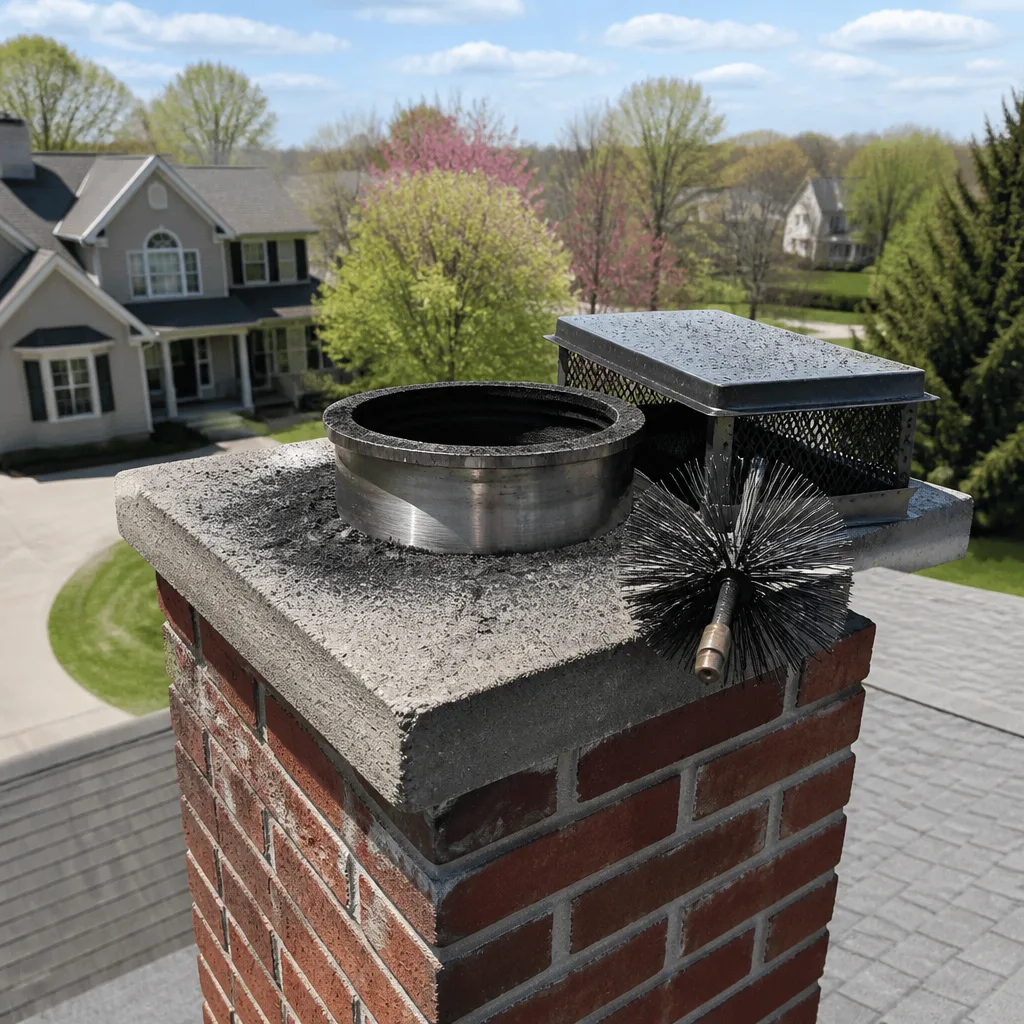
 Caps & crowns
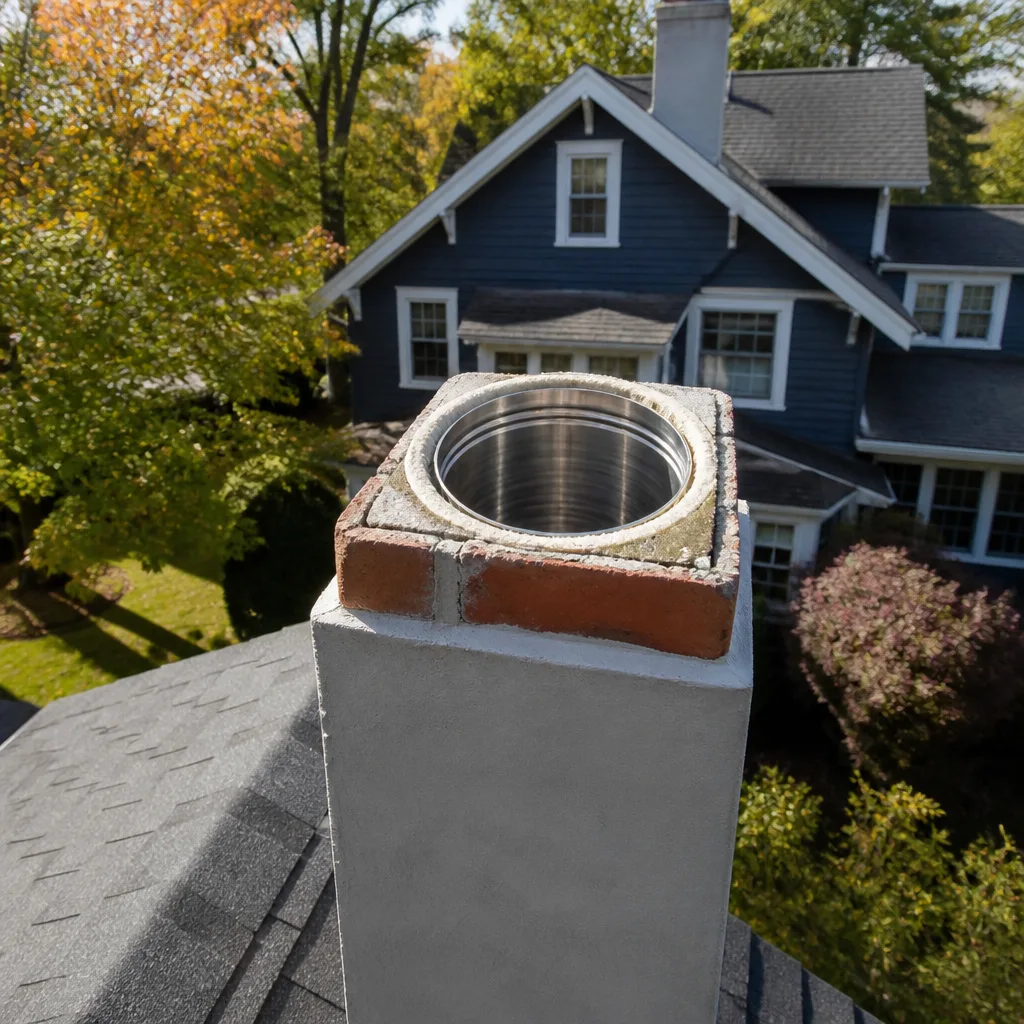 Flue relining
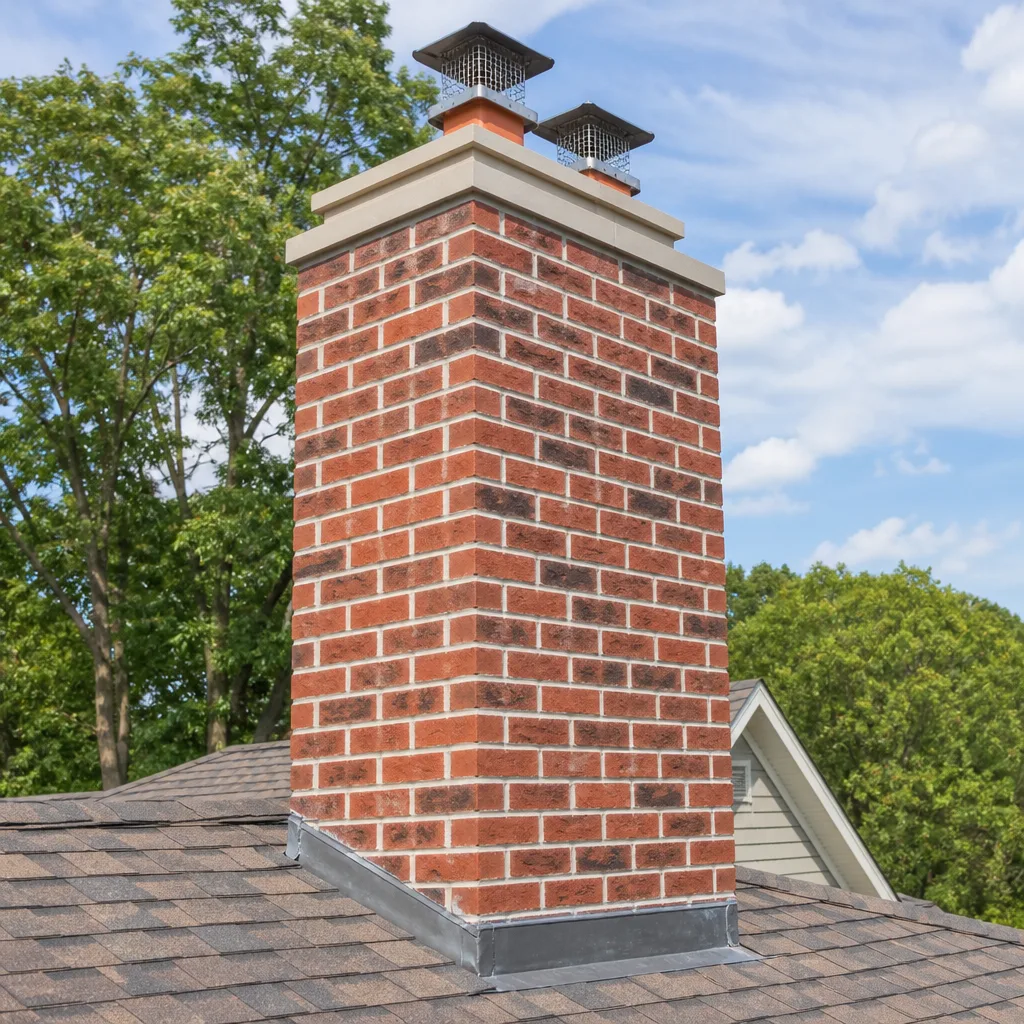 Masonry repair
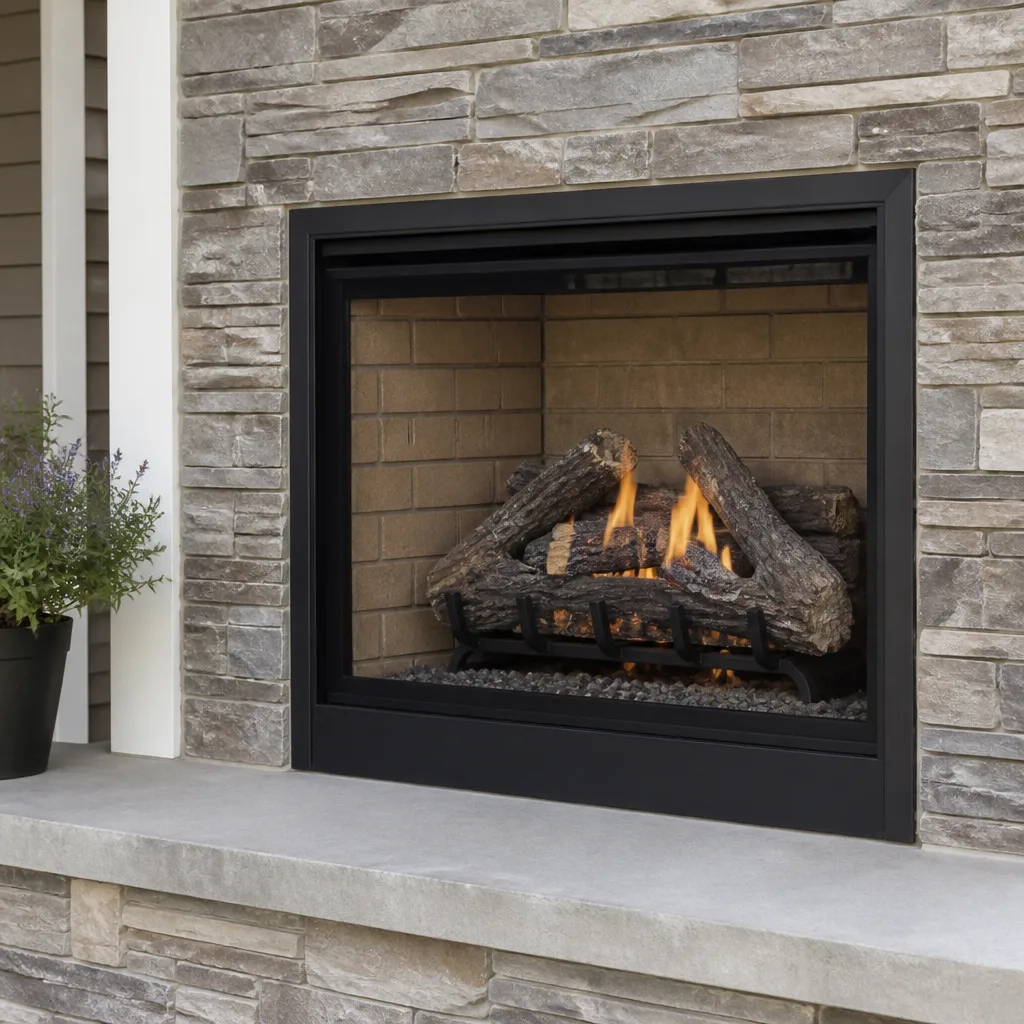 Gas fireplace service
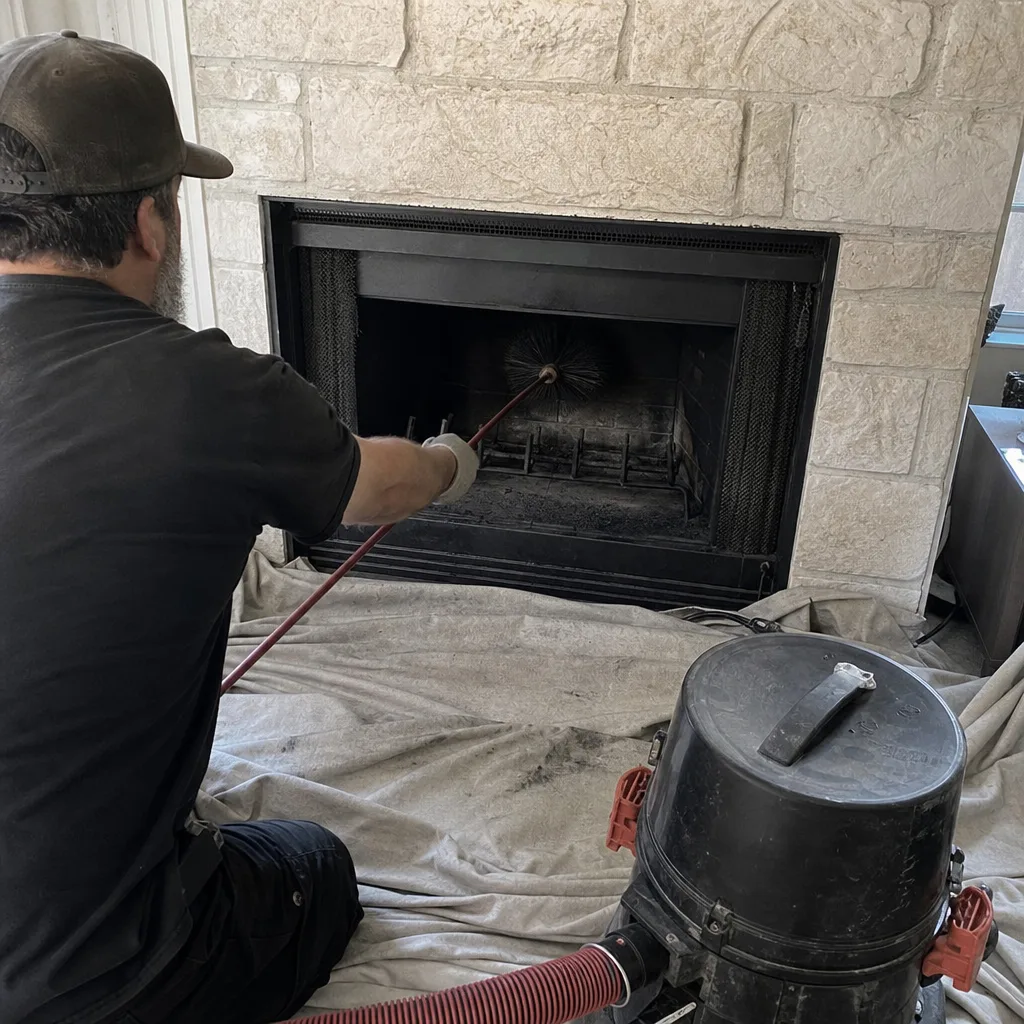
Level 1 sweep and inspection to the NFPA 211 annual standard - flue, crown, cap, and flashing checked and photographed
Chimney sweep logs do not sweep chimneys. They loosen some creosote - which then falls where a brush and vacuum still have to collect it.
Choosing the Right Chimney Cleaning Brand: A Buyer’s Guide for Carson
Chimney sealants, liners, and repair mortars are not interchangeable commodities. A stainless liner specified at the wrong alloy grade for your fuel type will corrode on a timeline measured in years, not decades – and the homeowner who approved that quote won’t know until there’s already damage behind the flue walls. Most Carson homeowners can evaluate a contractor’s punctuality or price, but almost none have a framework for judging the materials that contractor brings into their home. This guide closes that gap. You’ll learn which product categories actually matter, the brands professionals specify in each, and the specific questions that separate a chimney company using trade-grade components from one sourcing whatever the local big-box store had on the shelf.
Quick Answer
The right chimney cleaning and repair brands for Carson homes depend on what your system actually needs: HeatShield ceramic resurfacing for deteriorated clay flue liners, DuraFlex stainless steel liners matched to your fuel type, and professional-grade caps and sealants from manufacturers like Olympia Chimney and Copperfield. What matters most isn’t memorizing every brand name – it’s knowing enough to ask whether your contractor stocks recognized trade materials and can hand you a spec sheet when you ask. If they can, you’re dealing with a specialist. If the quote says only “standard liner” or “quality cap,” keep looking.
Styles & brands we work with
- Sweep & inspection
- Caps & crowns
- Flue relining
- Masonry repair
- Gas fireplace service
Table of Contents
- The Product Categories That Actually Matter
- Why Stainless Liner Alloy Grade Matters More Than Brand
- Industry-Standard Brands and What They’re Actually For
- Professional-Grade vs. Big-Box Retail: How to Tell the Difference
- How to Read a Material Spec in a Written Quote
- Carson-Specific Factors That Influence Material Choice
- Common Mistakes to Avoid
- When to Call a Professional
- Frequently Asked Questions
The Product Categories That Actually Matter
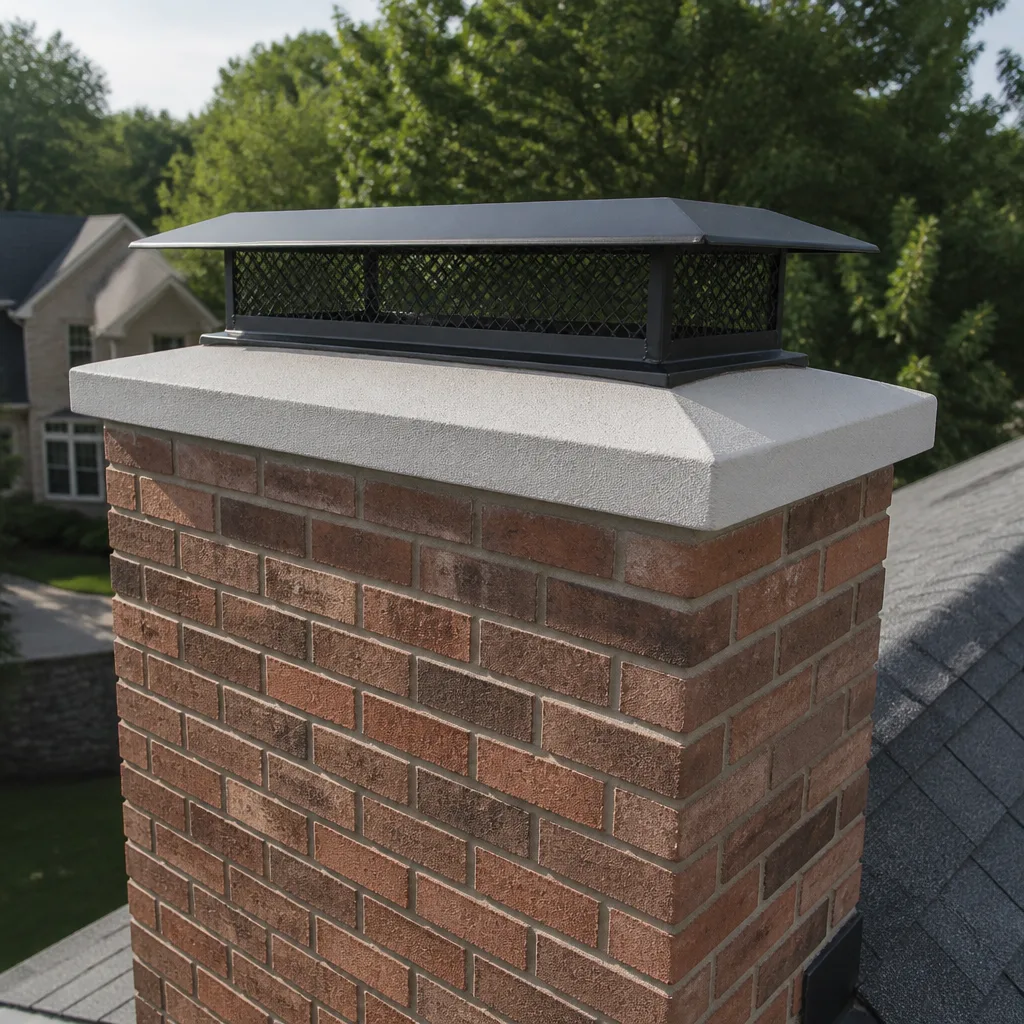
Chimney work breaks into four material categories where brand quality changes the outcome. The first is chimney caps. A cap is a small piece of metal, but it does a large job: keeping rain, birds, and debris out of the flue while letting exhaust escape. Cheap caps are made from thin galvanized steel that rusts through within a few Carson winters. Professional caps use stainless steel or copper, with proper screening that doesn’t choke the draft. The second category is liner systems. For homes with deteriorated clay flues or unlined chimneys, a stainless liner is often the fix. The brand matters because the alloy grade and manufacturing tolerances determine whether that liner survives contact with the acidic byproducts of combustion. A liner that corrodes isn’t just a repair issue; it’s a pathway for heat and gases to reach combustible framing. We specify and install the same brands professional chimney contractors rely on – DuraFlex, HeatShield, Copperfield, and more.
The third category is sealants. Most homeowners don’t realize there’s a profound difference between a penetrating waterproofer and a surface coating. Penetrating sealers soak into the masonry and allow the chimney to breathe, letting moisture vapor escape while blocking liquid water. Surface coatings sit on top and trap moisture inside the brick, which accelerates spalling during freeze-thaw cycles. Carson’s winter temperature swings make this distinction particularly relevant. The fourth category is repair mortar. Standard mortar from a hardware store lacks the refractory properties needed to handle direct flame contact and thermal cycling. Refractory-rated repair mortar, like what professionals apply through HeatShield resurfacing, is formulated to withstand temperatures that would crack ordinary masonry compounds within a season or two.
These four categories cover most of what a homeowner will ever pay for in chimney maintenance and repair. Understanding them – and the brand names inside them – gives you a real basis for comparing quotes rather than defaulting to the lowest number.
Why Stainless Liner Alloy Grade Matters More Than Brand
Before you can evaluate liner brands, you need to understand alloy grades. This is the single most useful piece of technical knowledge in this guide because it applies no matter which manufacturer ends up on your quote. Stainless steel liners come in three common grades. Grade 304 is standard stainless, adequate for wood-burning appliances under most conditions but vulnerable to the chlorides found in some wood and the condensates produced by gas appliances. Grade 316 adds molybdenum, which increases resistance to pitting and corrosion from chlorides. It’s the minimum most professionals recommend for gas appliances where condensation is a normal byproduct of operation. AL29-4C is a ferritic alloy engineered specifically for high-efficiency gas appliances with acidic condensate. It resists corrosion significantly better than 304 or 316 in that environment, but it costs more and is overkill for a standard wood-burning fireplace.
The mapping looks like this:
- Wood-burning fireplace or stove: 316 stainless is the practical default, with 304 acceptable in many cases depending on burn habits and wood type.
- Gas fireplace or gas logs: 316 is the floor; AL29-4C if the appliance is high-efficiency or the venting sees heavy condensation.
- Oil appliance: 316 or AL29-4C, because oil combustion produces acidic byproducts that chew through 304 quickly.
DuraFlex, one of the brands we install, manufacturers liners across these alloy grades, which is why asking “Which DuraFlex model did you quote?” matters more than asking “Do you use DuraFlex?” The brand name alone doesn’t tell you whether the spec is right. The alloy grade does. A reputable Carson contractor will be able to tell you the grade without checking, because matching alloy to fuel type is a daily decision in this trade, not a research project. If the person writing your quote can’t explain why they chose 316 over 304 or vice versa, that’s a signal the liner selection may be based on price rather than engineering.
Industry-Standard Brands and What They’re Actually For
Certain brand names appear repeatedly on professional chimney job sites for reasons that have nothing to do with marketing budgets. SootEater is a rotary cleaning tool system that spins flexible polymer whips inside the flue, removing creosote and soot without the mess of traditional wire brushes. It’s become standard equipment for professional sweeps because it’s more effective on modern stainless liners, where wire brushes can damage the liner surface. HeatShield is a ceramic resurfacing system specifically designed to restore deteriorated clay flue liners without full replacement. The material is a refractory mortar applied through a specialized process that creates a new smooth, insulated surface inside the existing flue. It carries genuine technical advantages over liner replacement in certain situations, particularly when the existing clay liner is deteriorated but structurally intact.
Fireplace Rx produces chimney-specific restoration products, including sealants and mortars formulated for the high temperatures and gas chemistry of fireplace exhaust. Olympia Chimney Supply is a distribution company that supplies professional contractors with caps, liners, and accessory components at a quality tier well above what you’ll find on a retail shelf. Each of these brands occupies a specific niche in the chimney ecosystem, which is why professionals don’t pick favorites randomly. They match product to problem.
For a Carson homeowner, the practical takeaway is awareness, not memorization. You don’t need to know every product in the Olympia catalog. You need to recognize whether the contractor you’re interviewing uses materials from this professional tier or whether they’re sourcing no-name equivalents. We stock HeatShield for liner restoration, DuraFlex for stainless relining, and professional-grade caps and sealants from manufacturers including Copperfield and Gelco. The brand names are our way of saying: here’s exactly what’s going into your chimney, and you’re welcome to look it up before you decide. Contractors who hide behind “quality products” without naming them aren’t hiding anything sinister, but they’re also not giving you enough information to verify what you’re paying for.
Professional-Grade vs. Big-Box Retail: How to Tell the Difference
The easiest way to tell whether a contractor uses professional materials is to ask two questions. First: “What brand of liner will you install?” Second: “Can I see the spec sheet?” A contractor who stocks DuraFlex, HeatShield, or Copperfield will answer both without hesitation. A contractor sourcing from a big-box retailer will usually stammer through the first question and have nothing for the second. This isn’t snobbery about where materials are purchased. It’s about application mismatch. The chimney repair products sold at home improvement stores are designed for the casual DIY market. They’re engineered to be easy to apply, not to perform under the thermal and chemical stress of actual fireplace operation. A standard masonry mortar from a retail shelf will fail inside a flue. A universal off-the-shelf cap will rust out. The right product for a chimney is rarely the most convenient one at a general store.
Another tell is the quote language. Professional contractors use terminology tied to specific materials and standards: “316L stainless liner,” “refractory mortar resurfacing,” “penetrating waterproofer applied at 1 gallon per 100 square feet.” Big-box-sourced work orders tend to read generically: “install new liner,” “seal chimney,” “repair mortar.” The specificity is itself evidence of knowledge. A contractor who knows the product well enough to put the exact brand and model on paper is a contractor who has worked with it enough to trust it.
In Carson, this distinction matters because the local housing stock includes a mix of 1950s and 60s ranchers with masonry chimneys, 1970s and 80s builds with prefab flue assemblies, and more recent construction with factory-built fireplaces. Each of those systems has different material requirements. A contractor pulling generic parts off a retail shelf is doing the same job for every home, and that’s not how chimneys work. The Chimney Sweep in Carson service we run is built on matching the material to the specific system in front of us, not the other way around.
How to Read a Material Spec in a Written Quote
A legitimate chimney repair quote should include enough product detail that you could, in theory, order the same materials yourself. Here’s what to look for, line by line:
- The liner line should state manufacturer, model, alloy grade, and diameter. “DuraFlex 316L 6-inch liner” is acceptable. “Stainless steel liner as discussed” is not. If the manufacturer and alloy aren’t on the page, the contractor is either being vague intentionally or doesn’t know their materials well enough to write them down. Both are reasons to pause.
- The cap line should state metal type and, ideally, the brand or product line. “Copperfield stainless cap with spark arrestor” tells you something. “Quality chimney cap” tells you nothing. Caps aren’t decorative; they’re your chimney’s roof. The metal choice determines whether you’re replacing it in five years or twenty.
- The sealant line should distinguish between waterproofer and surface coating. A penetrating waterproofer appears in quotes as “applied water repellent” or “penetrating sealer” with square footage. A surface coating appears as “sealed chimney.” One is a maintenance item. The other can contribute to brick failure. Ask which you’re getting.
- The repair line should specify the repair product, not just the repair. “HeatShield resurfacing of flue tile joints” is a defensible, verifiable scope. “Mortar repair to chimney” could mean anything from professional-grade refractory mortar to a five-dollar tub of generic patch from the hardware store.
We write quotes the way we’d want to receive them: brand, product line, and scope in plain language. You’re not expected to know what FL1800 Furan means (that’s a HeatShield product designation, for the record). But you should be able to read the page and understand what’s being installed, why it’s the right product, and what it’s replacing. If a quote makes you feel like you need a translator and the contractor can’t walk you through it in two minutes, you’re not getting clarity. You’re getting a sales document. From routine sweep to full liner restoration, it’s handled in one call – and the call should start with a clear quote, not a mystery.
Carson-Specific Factors That Influence Material Choice
Carson’s climate shapes chimney material decisions in ways that don’t apply elsewhere. We’re close enough to the coast that marine air finds its way inland, especially during morning fog patterns that roll through the South Bay. Salt-tinged air isn’t as aggressive here as it is right on the beach in Torrance or Redondo, but it still accelerates corrosion on exposed metal components. Galvanized caps, the cheapest option, rust faster in Carson than they would in a dry inland market like Palmdale. Stainless steel carries a higher upfront cost but a significantly longer service life in our air. The same logic applies to exposed fasteners and flashing details. A contractor who doesn’t account for coastal influence is installing components that will fail sooner than the system should.
Fireplace usage patterns in Carson also differ from snowy markets. Most Carson homes with fireplaces use them seasonally and intermittently, not as primary heat sources. Intermittent use means creosote builds up slowly but can also go unnoticed longer, since the system isn’t being observed under load every week. A chimney that sits damp with a layer of old creosote is more likely to develop a smell problem, which drives the “why does my fireplace smell in summer?” calls every local company fields. Using the right sealant and maintaining the right cap fit reduces moisture ingress, which is the primary driver of those odors. A Chimney Sweep Carson home visit starts with a camera inspection precisely because of this: intermittent use hides problems that weekly use would reveal.
One more local consideration: many Carson homes are older construction with clay flue liners that have seen decades of thermal cycling. Clay tiles crack from the relentless expansion and contraction of heating and cooling. Once a tile cracks, the flue is no longer a continuous barrier, and the gap becomes a path for heat and gas to reach the chimney structure. This is the single most common repair scenario we see in Carson, and it’s the situation where HeatShield resurfacing is often the right answer. The alternative, full liner replacement with a DuraFlex system, is sometimes necessary depending on the extent of the damage. Knowing the difference starts with knowing what’s actually inside your flue, which you can’t know without a proper inspection.
Common Mistakes to Avoid
- Accepting a quote that says “standard liner” or “typical cap” without a brand name. These words are placeholders that allow the contractor to install whatever is cheapest on the day of the job. Legitimate professionals specify products. Ask which manufacturer and model, and get it in writing before you sign. A quote without a material spec is a quote that can’t be compared or enforced.
- Choosing a contractor because they’re $40 cheaper on a sweep. The sweep price is not where the risk lives. The risk lives in what that contractor fails to see or measure. A sweep with a cheap inspection scope misses the hairline crack in a clay liner that becomes a repair next season. You’re paying for eyes, not for the act of brushing.
- Using a general handyman for chimney repair. Chimney systems involve combustion safety. A generalist doesn’t have the training to assess clearances, draft performance, or liner integrity, and doesn’t stock repair-grade materials. The work that looks fine on the surface can create a hazard behind the walls. This is specialized work on a life-safety system, not a handrail replacement.
- Ignoring the dryer vent because the chimney “looks fine.” Dryer vents are a leading cause of household fires in the U.S., and most homeowners have never had one cleaned. If you’re scheduling a chimney appointment anyway, adding Dryer Vent Cleaning in Carson to the same visit is a low-cost way to eliminate a documented fire risk you’ve probably been ignoring. Dryer vents are the chimney most homeowners forget – until they shouldn’t have.
- Accepting “sealing” as a catch-all term without asking what product is being applied. A surface coating traps moisture inside brick and can accelerate spalling in Carson’s damp winter air. A penetrating waterproofer lets the chimney breathe. The distinction takes five seconds to ask about and can save you a masonry repair in five years.
- Believing that a liner brand name alone equals quality. DuraFlex makes excellent liners across multiple alloy grades, but a 304 liner on a high-efficiency gas appliance is the wrong application regardless of the brand printed on the box. The critical question is always: what alloy grade, matched to what fuel type? If the answer doesn’t account for both, the brand is irrelevant.
- Skipping the camera inspection to save money. A visual inspection from the fireplace opening sees maybe a third of the flue. A camera sees all of it. The cost difference is small. The information difference is the entire point of the appointment. We include camera inspection and a photo report on our chimney sweep services because a clean flue isn’t a cosmetic upgrade, it’s what separates a working fireplace from a fire hazard.
When to Call a Professional
You should call a chimney professional when you haven’t had an inspection in the last year and you’re burning wood regularly, when you notice white staining on the outside of the chimney (efflorescence, a sign of moisture penetration), when you smell a campfire-like odor inside the house during summer, or when you’re switching fuel types, like converting a wood fireplace to gas logs. Any of these signals a system that needs eyes on it – and there’s no way to know what you’re dealing with until someone puts a camera in the flue. Chimney Sweep Carson offers free estimates in Carson – call (833) 593-4907 to schedule a camera inspection and get a plain-language assessment of your system’s condition. If you already know you have liner damage and want to understand whether Chimney Repair in Carson through HeatShield resurfacing or a DuraFlex relining is the right path, the estimate call is the starting point.
Frequently Asked Questions
A professional chimney sweep in Carson typically runs between $150 and $300 depending on the system type, accessibility, and whether you’re bundling additional services like a dryer vent cleaning; see our DIY vs Professional Chimney Cleaning guide to understand why the inspection matters more than the price. The key phrase there is “professional” – the cheapest option often means a technician who can’t see the major problems, and the point of a sweep is the inspection, not the brushing. Call (833) 593-4907 for a quote on your specific system; estimates are free and include a camera inspection.
The brands that matter are the tools and materials, not the marketing: SootEater rotary cleaning systems for the sweep itself, HeatShield for ceramic flue liner restoration, DuraFlex for stainless relining, and professional-grade caps and sealants from manufacturers like Olympia Chimney and Copperfield. A contractor who stocks these brands is working at a trade level. Ask any chimney company in Carson what sweeping system and repair brands they use; if they can answer, keep them on the list. If they can’t, you’ve learned something useful.
Deteriorated clay flue liners can often be restored without full replacement using HeatShield ceramic resurfacing, which applies a new refractory surface inside the existing flue. Full relining with a stainless system like DuraFlex is necessary when the existing liner is structurally compromised or the chimney is unlined. The only way to know which scenario applies to your chimney is a camera inspection. We tell you exactly what we found, what it means, and what fixing it requires – no upsell theater. Call (833) 593-4907 to schedule a look.
The National Fire Protection Association recommends a chimney inspection at least once a year, with sweeping performed when creosote buildup reaches a thickness that creates a fire risk. In practice, for Carson homes with seasonal use, an annual sweep is the right frequency for most households. If you burn more than three cords of wood in a season or burn green wood, sweep twice. Our chimney sweeping includes a camera inspection every time, so you’re not just getting the flue cleaned – you’re getting a status report on the whole system.
Skipping maintenance doesn’t cause an instant failure. It causes accumulated risks: creosote buildup that creates conditions for a chimney fire, moisture intrusion that slowly rots internal masonry, and cracked liner tiles that let heat and gas reach areas they shouldn’t. The definition of a chimney fire isn’t always an alarm bell and a 911 call; many are small, contained events inside the flue that damage the liner and go unnoticed until a later inspection reveals the damage. The smart way to think about it: annual inspection costs less than the deductible on a fire, and far less than a failed liner. Call (833) 593-4907 for a free estimate if you’re unsure when your last inspection happened.
Yes, and for a simple reason: dryer vents are a leading cause of household fires in the U.S., and they’re almost never cleaned until there’s a problem. Bundling a dryer vent cleaning with a chimney sweep saves a second trip charge and eliminates a fire risk that’s been living in your laundry room. Dryer vents are the chimney most homeowners forget – until they shouldn’t have. Call (833) 593-4907 and we’ll check both systems in one visit.
The Bottom Line
You can’t evaluate a chimney contractor without evaluating the materials they use, and most homeowners don’t know how to do that; for more guides & resources, explore our blog. The framework is straightforward: know the product categories (caps, liners, sealants, mortars), know the brand names that matter in each (HeatShield, DuraFlex, Copperfield, Olympia), and know the one technical question that cuts through vagueness (which alloy grade, matched to which fuel type?). A contractor who answers those questions confidently and specifies products on a quote is a contractor worth hiring. Anything less is a gamble on the safety of your fireplace system.
Written by the team at Chimney Sweep Carson, serving Carson since 2014.
See the difference
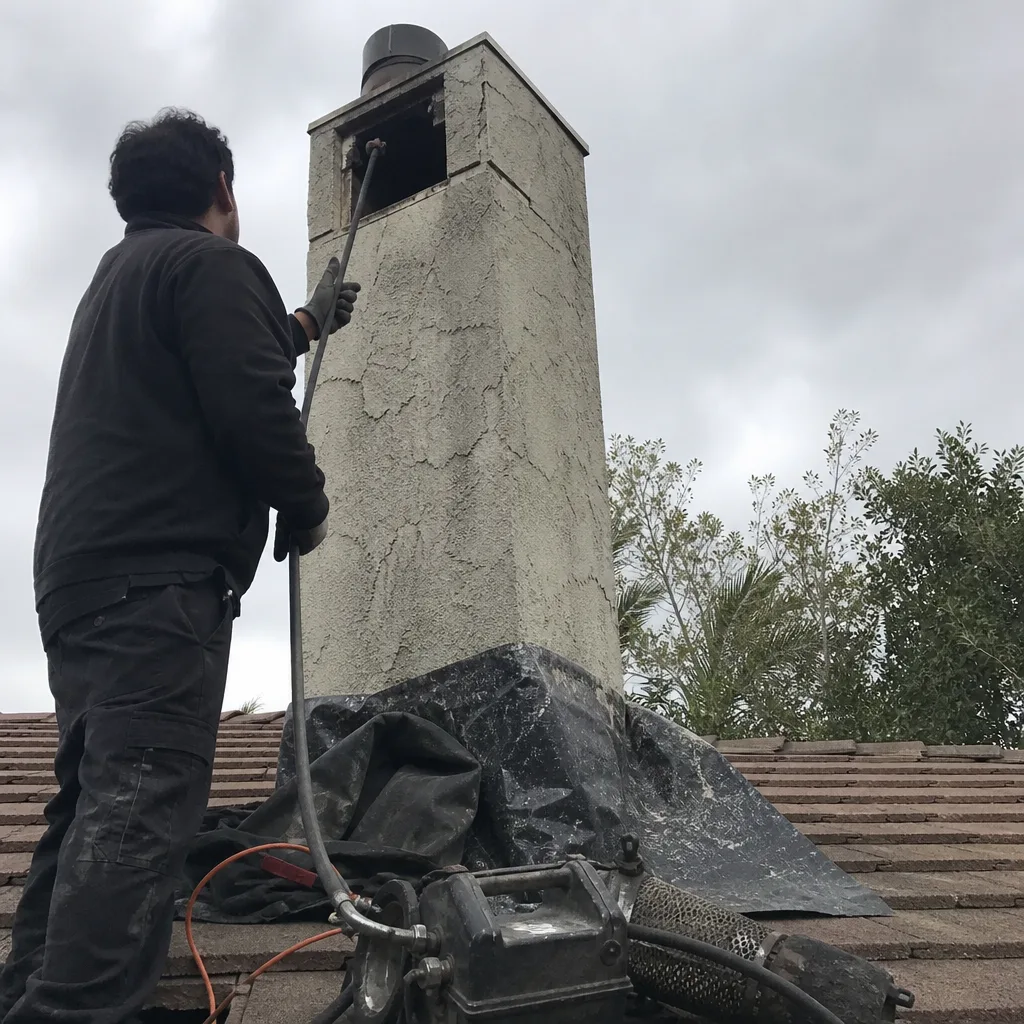 Before
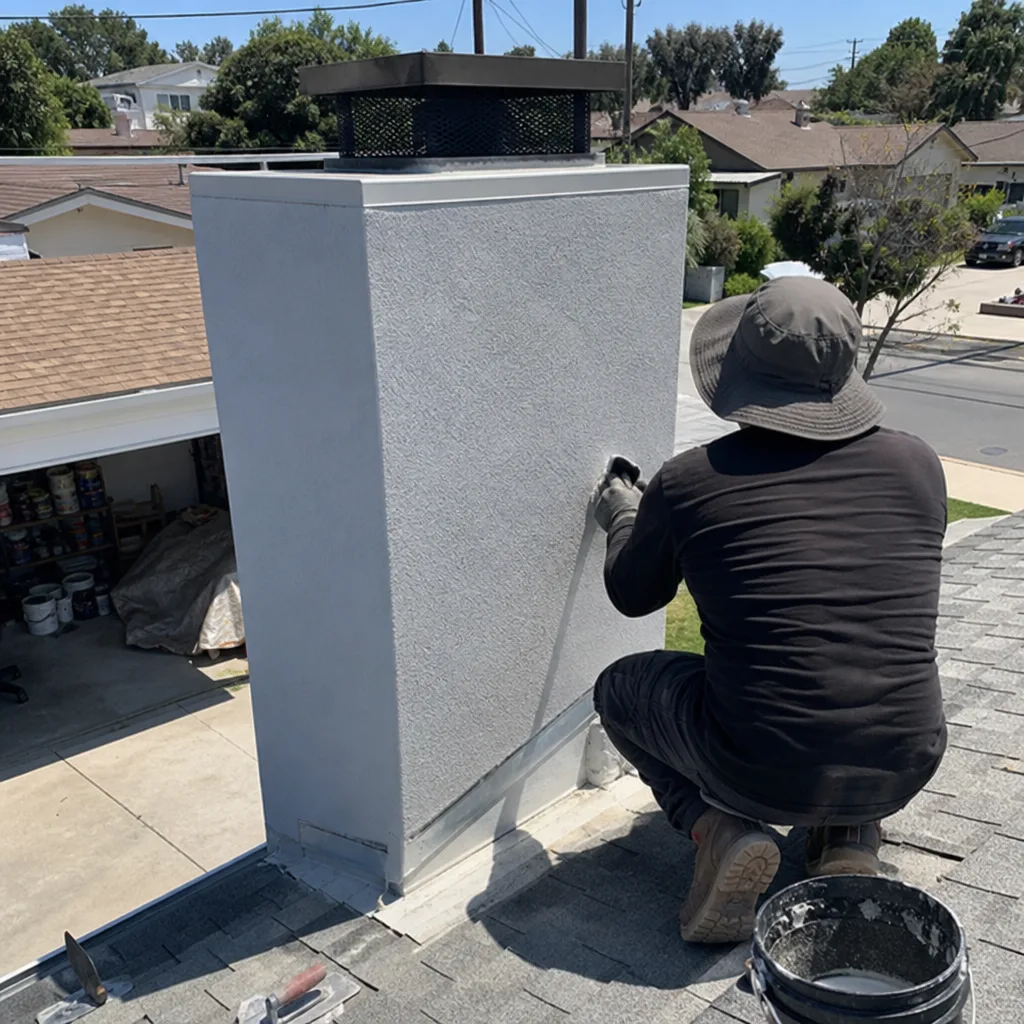 After
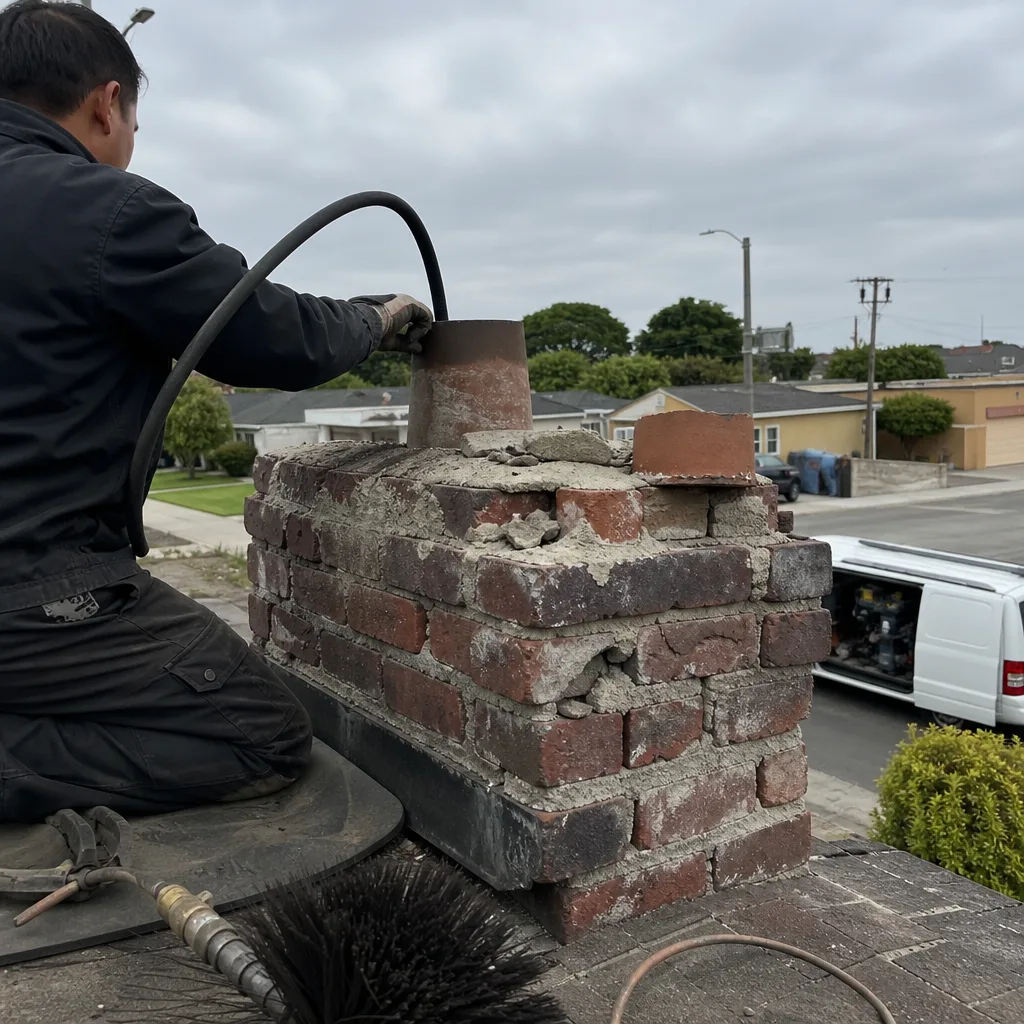 Before
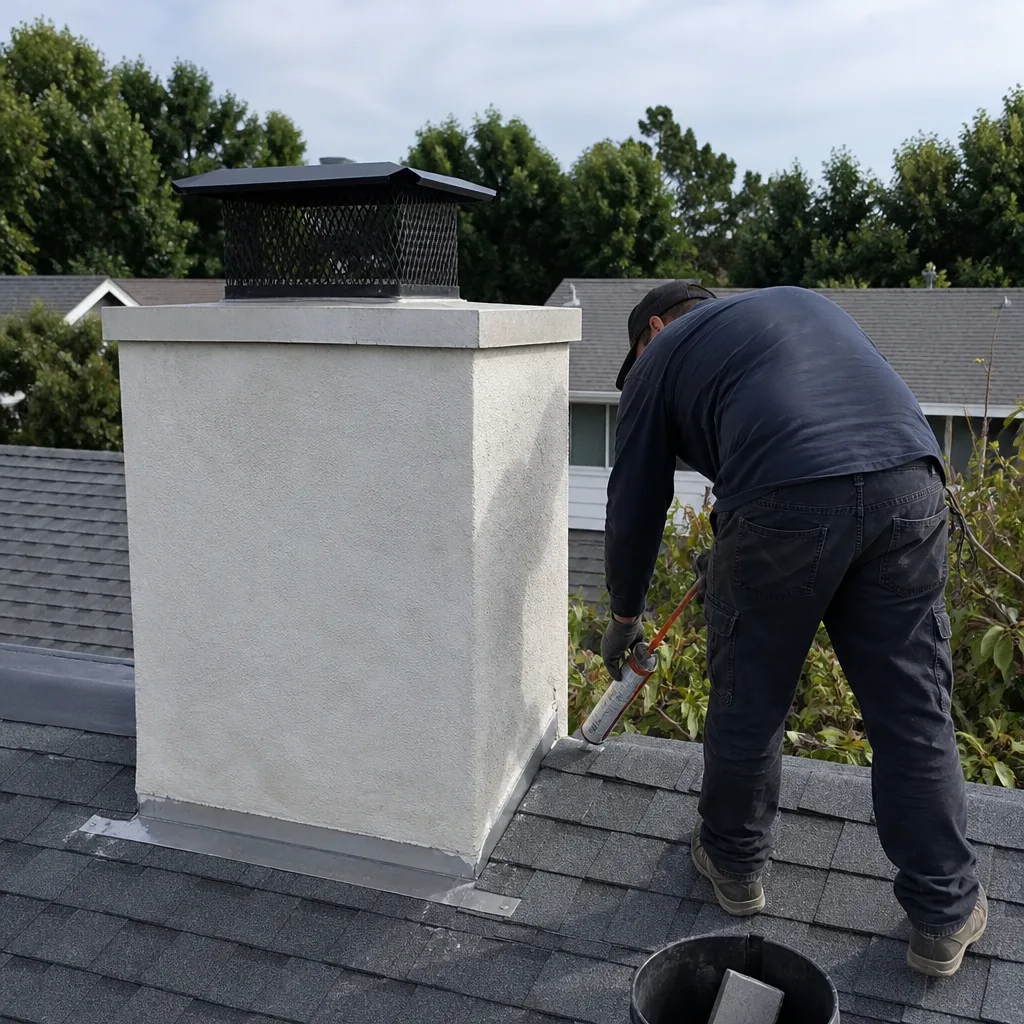 After
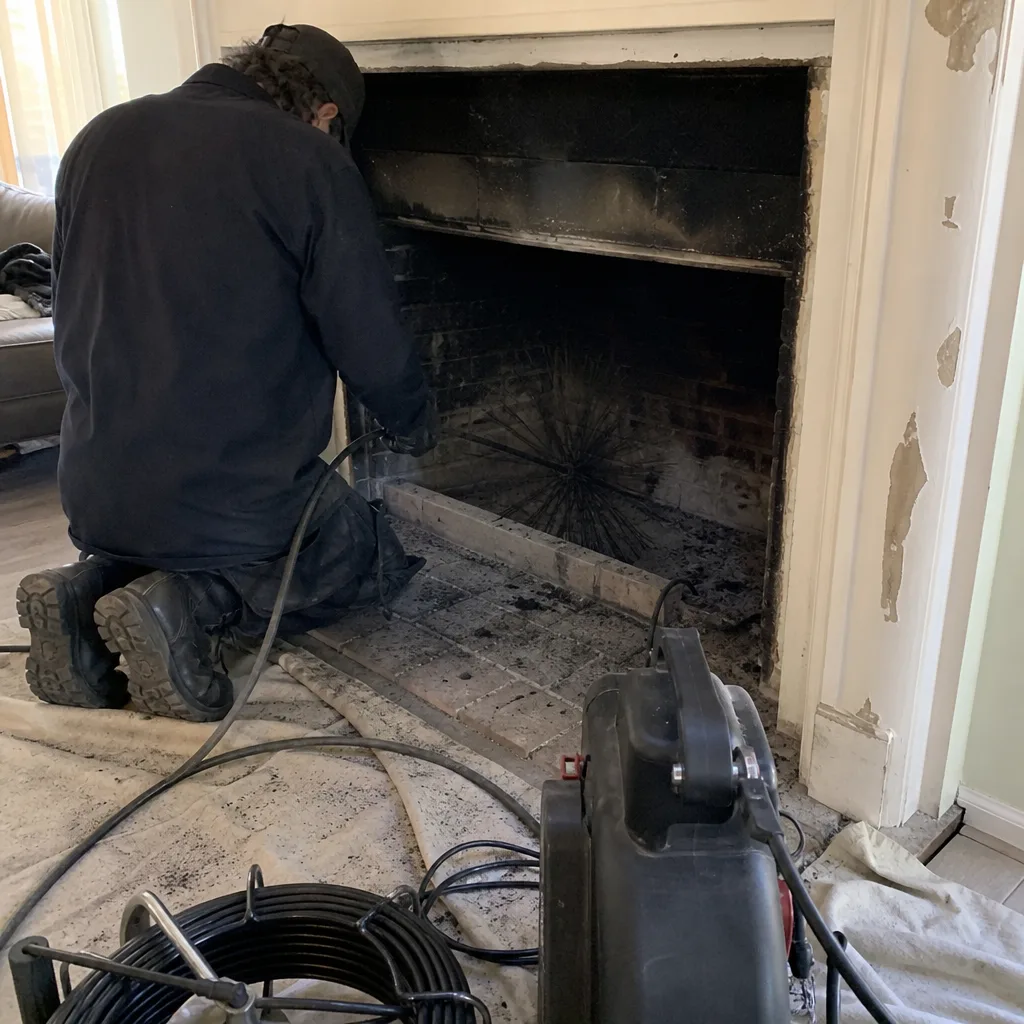 Before
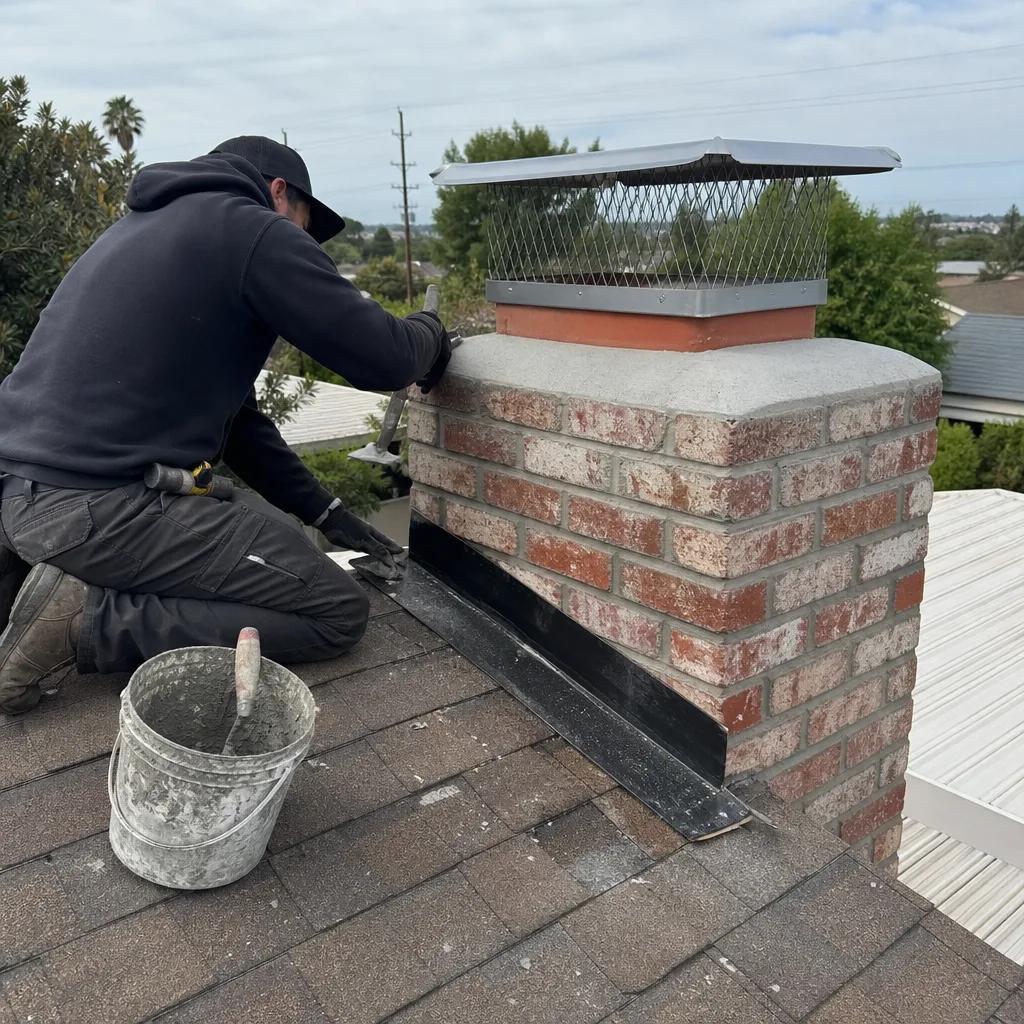 After