
Last updated November 2, 2026
 Sweep & inspection
 Caps & crowns
 Flue relining
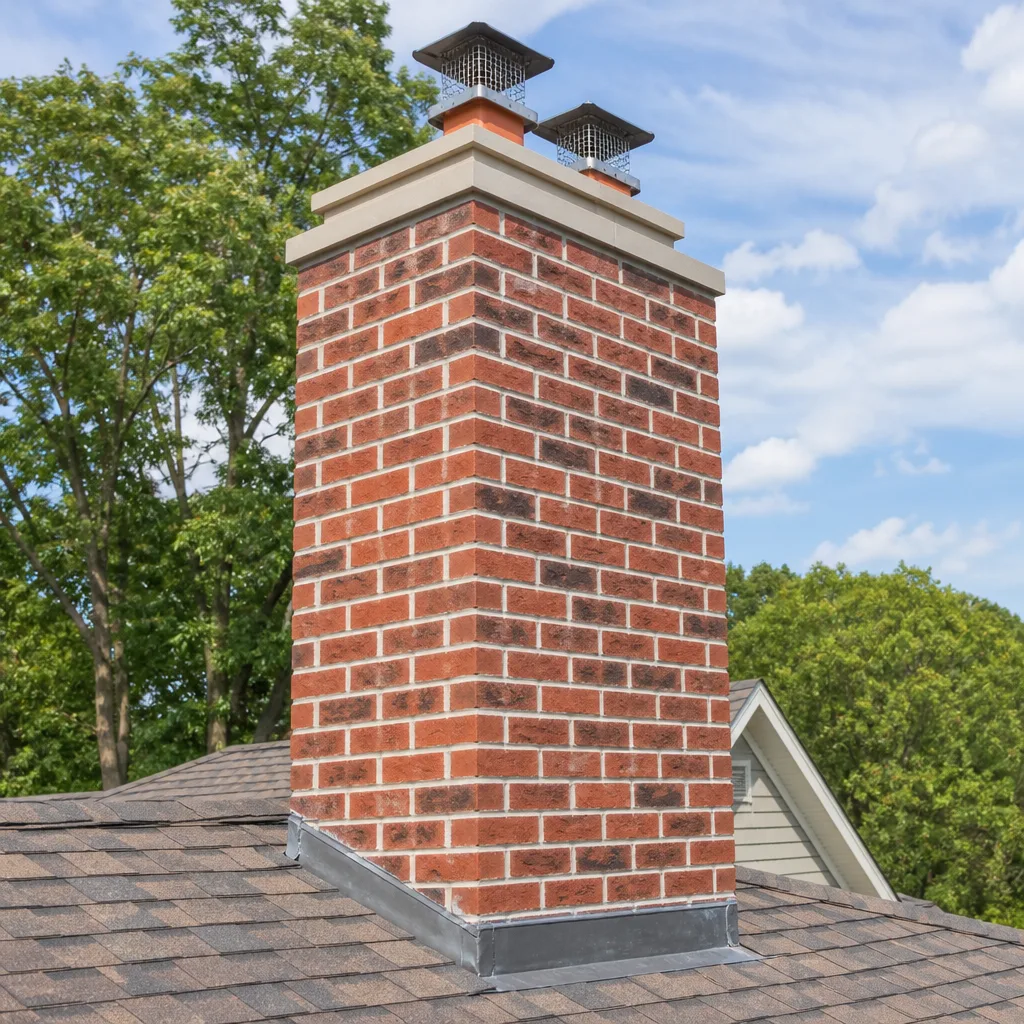 Masonry repair
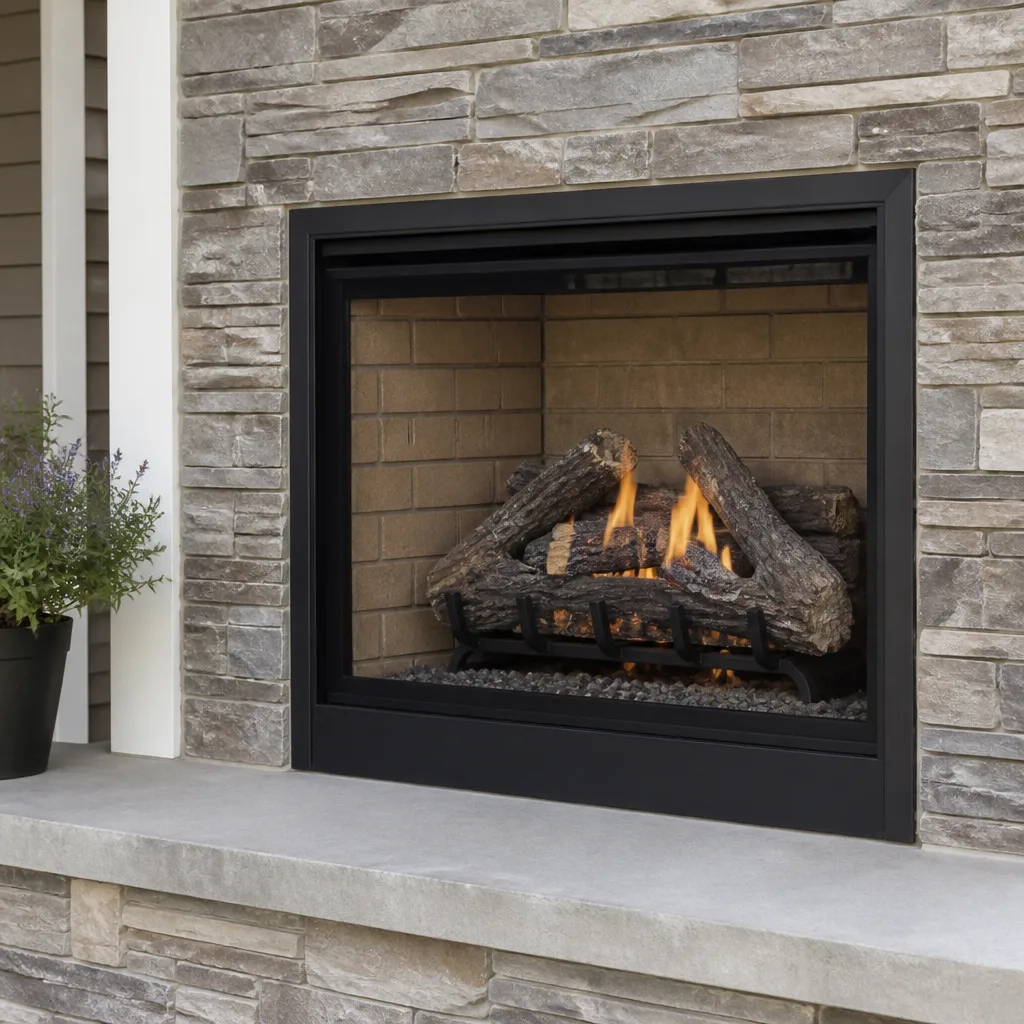 Gas fireplace service
Level 1 sweep and inspection to the NFPA 211 annual standard - flue, crown, cap, and flashing checked and photographed
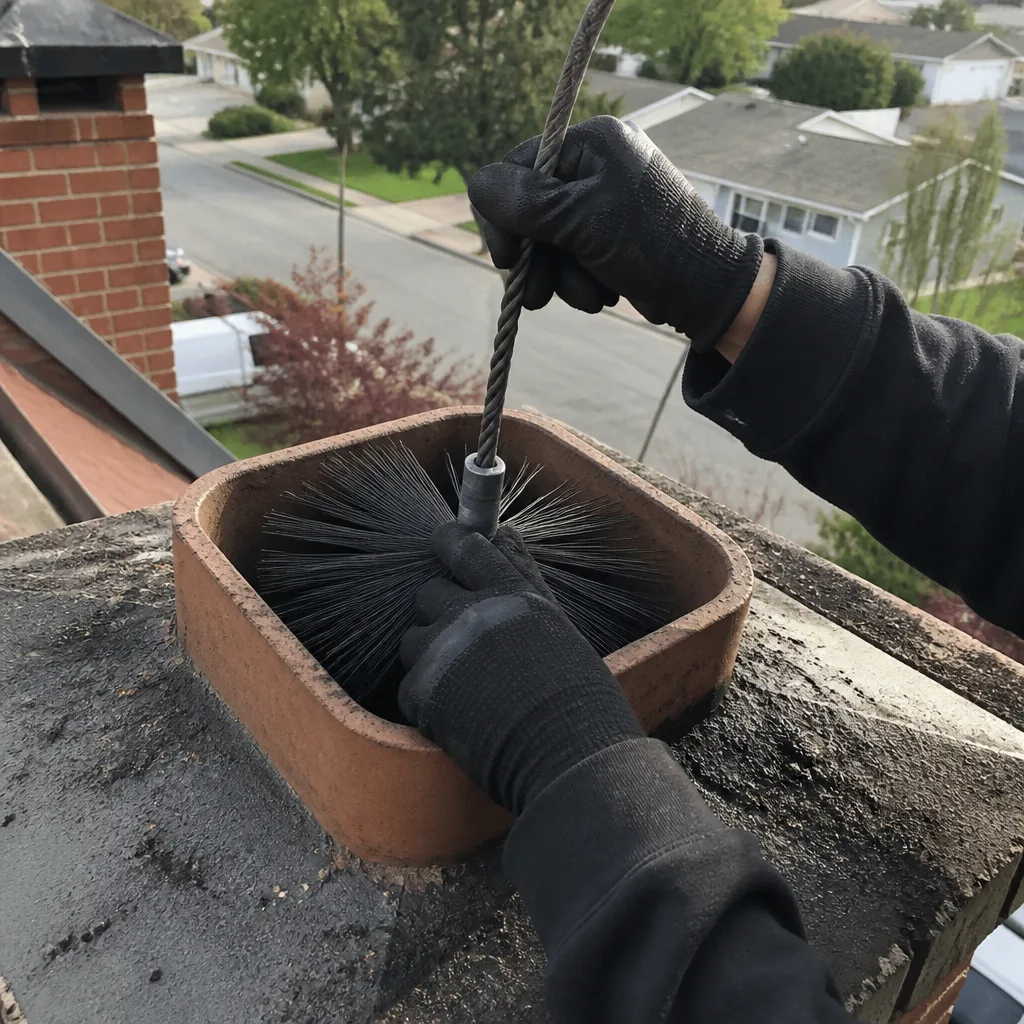
Chimney sweep logs do not sweep chimneys. They loosen some creosote - which then falls where a brush and vacuum still have to collect it.
Chimney Sweep Troubleshooting: Common Problems and How to Fix Them
A fireplace that smokes into the room gets blamed on a dirty flue roughly 40% of the time. But in Carson, where we’ve inspected thousands of chimneys, the actual causes include negative house pressure, a damper warped shut by heat, an undersized flue, and at least four other distinct conditions that cleaning alone will never resolve. This guide walks you through symptom-to-cause diagnosis, so you can describe the problem precisely and avoid paying for a chimney sweep that doesn’t fix anything.
Styles & brands we work with
- Sweep & inspection
- Caps & crowns
- Flue relining
- Masonry repair
- Gas fireplace service
Quick Answer
Chimney problems fall into five symptom categories: smoke in the room, persistent odor, slow or weak draft, visible cracks or damage, and water in the firebox. Each symptom has multiple possible root causes, and the fix ranges from a $200 sweep to a structural reline with DuraFlex. Start by identifying your primary symptom, rule out the easy causes yourself, then call a chimney specialist who can inspect and repair in the same visit. For more guides & resources, see our blog.
Table of Contents
- Smoke in the Room: The 6 Causes Nobody Checks First
- Persistent Fireplace Odor: Summer Smell and What It Signals
- Slow Draw and Weak Draft: House Pressure vs. Flue Obstruction
- Visible Cracks and Spalling: When Cosmetic Becomes Structural
- Water in the Firebox: The Leak That Isn’t Always a Leak
- Creosote Stages: What You Can Assess and When to Stop
- What to Tell Your Sweep: The Diagnostic Call Script
- Common Mistakes to Avoid
- When to Call a Professional
- Frequently Asked Questions
- The Bottom Line
Smoke in the Room: The 6 Causes Nobody Checks First
Smoke entering the living space is the most alarming chimney symptom, and the most commonly misdiagnosed. A dirty flue can cause it, but so can five other conditions that a sweep won’t cure – read The Complete Chimney Sweep Guide for Carson Homeowners for the full picture. Here’s the full diagnostic order, cheapest to most expensive:
- Damper not fully open. A damper that’s warped, rusted, or obstructed by debris won’t seat or open properly. If the handle moves but the plate doesn’t fully clear the throat, smoke backs up immediately. This is a mechanical fix, not a cleaning issue.
- Cold flue / cold plug. In Carson’s mild winters, a chimney that hasn’t been used in months holds a column of cold, dense air. Lighting a fire into that plug pushes smoke back. Preheating with a rolled newspaper held near the damper for 60 seconds usually resolves it.
- Negative house pressure. Running kitchen exhaust fans, bathroom fans, or a central HVAC return that pulls air out of the room faster than the fireplace can draw it in causes smoke spillage. This is a house problem, not a chimney problem.
- Undersized flue. A flue that’s too small for the firebox opening cannot move combustion gases fast enough. This is a structural mismatch requiring a reline with properly sized materials.
- Smoke shelf or firebox geometry issues. If the smoke shelf is cracked, misshapen, or coated with creosote buildup in a way that disrupts airflow, smoke rolls back into the room. Sweeping helps; structural repair may be needed.
- Actual obstruction. Bird nests, broken flue tiles, or heavy creosote accumulation can physically block the passage. This is the one cause that routine sweeping directly resolves.
In Carson, we’ve seen chimneys swept twice by other companies while the real problem was a bathroom exhaust fan creating negative pressure the flue couldn’t overcome. That homeowner paid for two cleanings that did nothing because nobody asked the right questions first.
Persistent Fireplace Odor: Summer Smell and What It Signals
A fireplace that smells like cold smoke in August is a humidity-driven problem. Warm, humid air enters the chimney from outside, saturates the creosote deposits, and pushes the odor into the house. The fix is rarely what homeowners assume.
First, understand what the smell is telling you:
- Stage 1 creosote (powdery, dusty film) emits a faint wood-smoke smell, usually manageable.
- Stage 2 creosote (flaky, crunchy deposits) holds more odor and releases it aggressively in humidity.
- Stage 3 creosote (glazed, tar-like, baked-on) smells strongest and also poses the highest fire risk.
A cleaning is always the starting point for odor, but if the smell returns within weeks, the issue is likely water entry amplifying the creosote remaining in the flue. We install waterproof chase covers and proper rain caps from Copperfield and Famco to keep moisture out. A damper that doesn’t seal tightly is another common culprit: it allows humid outdoor air to circulate through the flue and back into the room. Repairing or replacing the damper assembly stops the air exchange at the source.
Carson’s proximity to the coast means ocean-driven humidity pushes into chimneys year-round. Homeowners here deal with summer odor more often than people in arid inland climates. If the smell persists after a sweep, ask for a moisture inspection, not another cleaning.
Slow Draw and Weak Draft: House Pressure vs. Flue Obstruction
Weak draft is the symptom that most often leads to the wrong repair. The distinction that matters: is the flue restricted, or is the house pulling back against it?
A flue obstruction draft problem gets worse as creosote builds or debris collects. You’ll notice the fire burns fine for the first hour after a cleaning, then gradually worsens over weeks or months. The fire takes longer to establish, smoke lingers at the firebox opening, and you may see a dark residue forming on the damper face or fireplace surround.
A house pressure draft problem behaves differently. It happens immediately, regardless of how recently the chimney was swept. It gets worse when the kitchen exhaust, clothes dryer, or central HVAC runs. On windy days with certain wind directions, it may improve or worsen unpredictably. The fix here isn’t inside the chimney at all: it’s supplying makeup air to the house or reducing the competing exhaust that’s starving the fireplace. Adding a glass door kit or installing an outside air intake to the firebox addresses the root cause.
The test we walk Carson homeowners through: open a window near the fireplace about two inches and light a small piece of newspaper. If the draft improves immediately, the flue is moving air fine and the problem is house pressure. If it doesn’t improve, the flue needs inspection for obstruction or undersizing. This one test saves people from paying for a reline when the real fix is a $50 window vent.
Visible Cracks and Spalling: When Cosmetic Becomes Structural
Cracks in the firebox, smoke shelf, or exterior masonry are like rust spots on a car: small ones are manageable, ignored ones compound, and some are already past surface repair before you notice them.
Firebox cracks matter because the firebox is the last physical barrier between your fire and the combustible framing of your home. Hairline cracks in firebrick are usually cosmetic and can be sealed with refractory mortar in a routine repair. Cracks that have opened beyond a sixteenth of an inch, that run through multiple bricks, or that allow you to see shifting when pressure is applied indicate structural movement behind the firebox. Those need evaluation by a repair specialist, not caulk.
Spalling, the flaking or chipping of brick faces or mortar joints, is water damage. Moisture enters the masonry, and Carson’s occasional freeze-thaw cycles in winter expand trapped water and pop the brick surface off. Spalling is always a symptom of a larger water entry problem: a missing rain cap, failed flashing, deteriorated crown, or absorbent brick that needs waterproofing.
The honest assessment matters here. We tell you when a firebox can be repointed and when it needs a full rebuild. We specify the same repair materials we’d use on any structure: refractory mortar for firebox work, and quality caps, flashing, and crown products from Olympia Chimney when water is the source. The point of the inspection isn’t to sell you on the worst case. It’s to tell you honestly whether the worst case is the only safe case.
Water in the Firebox: The Leak That Isn’t Always a Leak
Water in the firebox sends homeowners into panic about roof leaks, but the diagnosis is often simpler and cheaper. The source of water in a fireplace falls into three categories:
- Direct entry from above. Rain enters through a missing or damaged rain cap, a cracked chimney crown, or failed flashing around the chimney chase. Fix: cap, crown, or flashing repair. This is the most common cause in Carson, where winter storms hit homes hard.
- Condensation. Gas fireplaces, especially, produce combustion moisture that condenses on the cooler flue walls and drips back down. If the water appears only when the fireplace runs, it’s condensation, not a leak. A properly sized liner reduces this by keeping flue gases hot enough to vent before condensing.
- Water wicking through masonry. Unglazed or unsealed brick absorbs rain like a sponge and lets it migrate through the wall into the firebox. This shows up as dampness or staining even when the rain cap is intact. A masonry waterproofing treatment with a breathable sealer addresses it.
We tell Carson homeowners the same thing we tell every customer: wait for a dry spell, then check the firebox. If it’s dry and water appears only after rain, the source is above. If it’s wet after running a gas log set, that’s condensation. If it’s damp year-round with no obvious entry point, the masonry itself is wicking. Each path leads to a different fix, and guessing wrong means spending money on a repair that doesn’t stop the water.
Creosote Stages: What You Can Assess and When to Stop
Creosote is the byproduct of incomplete wood combustion: smoke, vapor, and unburned wood particles that condense on flue walls. It accumulates in three recognized stages, and homeowners can safely identify the early ones. But there’s a line where self-assessment ends.
Stage 1 is a dusty, sooty film that brushes off easily. You can see it with a flashlight from the firebox opening, looking up. It’s not an emergency, but it’s the point where a sweep is cheapest and fastest.
Stage 2 is flaky, curled deposits with a crunchy, honeycomb-like texture. It’s hardened enough that a basic brushing removes it, but it’s also fuel. Stage 2 creosote will ignite under the right conditions, and it signals you’ve been burning unseasoned wood or restricting airflow. This is the point where professional cleaning becomes non-negotiable.
Stage 3 is glazed, shiny, tar-like creosote baked onto the flue walls. It’s extremely difficult to remove with standard brushes, burns at high temperatures, and often requires chemical treatment or specialized mechanical removal. If you see a shiny black glaze when you look up with a flashlight, stop assessing. Do not burn another fire. A professional inspection is immediately warranted, because Stage 3 creosote is a chimney fire waiting for a hot enough burn.
The line for self-assessment: if you can see beyond the first few feet of flue and can identify the deposit type, you’ve done your part. Deeper inspection requires a scope and training. In Carson, our Chimney Sweep in Carson service includes that camera inspection with every cleaning, so you see exactly what we see, not a summarized version of it.
What to Tell Your Sweep: The Diagnostic Call Script
The difference between a one-visit fix and a return visit often comes down to what you say on the phone. The more precise you are, the more likely the technician arrives with the right tools, the right parts, and the right plan. Here’s the script we recommend:
- State the primary symptom. “Smoke comes into the room when I light a fire.” Not “my chimney’s got a problem.”
- Describe when it started. “It started after the last heavy rain” or “it’s been getting worse all season” or “it only happens when the kitchen fan is running.”
- Report what you’ve already tried. “I opened a window and it didn’t help” or “I had it swept in March and it’s still smoking.” This prevents the technician from repeating a step that won’t help.
- Mention any visible damage. “There’s a hairline crack in the firebox brick on the left side” or “the mortar is falling out between two bricks on the exterior.”
- Share the history. “We bought the house two years ago and haven’t used the fireplace until now” or “the previous owner said the liner was replaced.”
- Ask what the visit includes. A proper diagnostic visit should include a camera inspection, not just a visual look from the roof. If a company can’t tell you what they’ll inspect and how, find one that can.
The goal isn’t to do the technician’s job. It’s to give them enough signal to bring the right equipment and to ask the right follow-up questions when they arrive. That saves you money and time, and it’s the difference between a company that guesses and a company that diagnoses.
Common Mistakes to Avoid
- Sweeping a chimney that has a pressure problem. If the house is starving the fireplace for air, cleaning the flue changes nothing. You’ll pay for a service the symptom didn’t require.
- Ignoring a damper that’s hard to move. A damper that sticks, warps, or won’t fully close is a mechanical problem that worsens. It also wastes conditioned air year-round and accelerates creosote odor in the summer.
- Burning unseasoned wood to save money. Wet wood produces less heat, more smoke, and dramatically more creosote. You’ll pay more in cleaning and repair than you saved on firewood.
- Sealing visible cracks with hardware-store caulk. Regular silicone or acrylic caulk is not rated for firebox or flue temperatures. It fails fast and gives a false sense of security.
- Assuming a gas fireplace never needs service. Gas appliances vent carbon monoxide and produce condensation. Annual inspection of the venting system is as important as it is for wood-burning units.
- Ignoring the dryer vent. Carson homeowners focus on the fireplace and forget that the dryer vent is a chimney too. A blocked dryer vent is a documented leading cause of house fires. Our Dryer Vent Cleaning in Carson service exists specifically because this hazard gets overlooked.
When to Call a Professional
You’re past self-diagnosis when you see glazed creosote, when smoke enters the room despite an open damper and open window, when cracks show movement or run through multiple bricks, or when water appears in the firebox with no obvious entry point. These are structural and safety conditions that require camera inspection and trained assessment, not guesswork. If you’ve tried the basic fixes and the symptom persists, you’ve done your homework. Now let a specialist confirm what’s happening and fix it the right way. Chimney Sweep Carson offers free estimates in Carson. Call (833) 593-4907.
Frequently Asked Questions
A standard chimney cleaning in Carson typically runs $199 to $359 depending on the level of creosote accumulation, chimney height, and accessibility. Prices rise when repairs are added, but the diagnostic sweep itself is in this range. Even if you’re uncertain about the problem, the cleaning is the cheapest way to see the flue condition and know what you’re dealing with. Call us at (833) 593-4907 for a flat quote before any work begins.
The National Fire Protection Association recommends cleaning when creosote reaches 1/8 inch of accumulation, which for most wood-burning fireplaces means annual cleaning. Gas fireplaces can go longer, but still need annual venting inspections. If you burn unseasoned wood or use the fireplace as a primary heat source, plan on twice-yearly sweeps. Our Chimney Sweep in Carson service includes the camera inspection with every cleaning so you can see the accumulation level for yourself.
You can’t safely clean a chimney from the ground. Professional cleaning requires working from the roof or through the firebox with specialized brushes and vacuums. The equipment cost plus the roof-access risk plus the lack of camera inspection means DIY cleaning usually ends with a false sense of security. If you want to know the creosote condition before calling, shine a flashlight up from the firebox and note the stage. That’s the extent of useful self-assessment.
Only if the existing liner is cracked, deteriorated, or undersized, and the only way to know is a camera inspection. Some deteriorated liners can be resurfaced with HeatShield ceramic coating instead of full replacement. Others need a complete reline with a DuraFlex stainless steel system. Nobody should recommend a new liner without showing you camera footage of the existing one. If they can’t show you evidence, don’t take the recommendation. Chimney Sweep Carson home covers both paths: restoration when possible, relining when necessary.
Skipping the sweep lets creosote accumulate to the point where a hot fire can ignite it. A chimney fire burns extremely hot, fast, and can spread through the flue into the house structure. Carbon monoxide is the quieter risk: a partially blocked flue backs combustion gases into the living space, and CO is invisible and odorless. The sweep isn’t cosmetic. It’s the difference between a safe appliance and an unmonitored hazard.
Yes. The company that inspects your chimney is the same company that can repair it, including HeatShield liner restoration and DuraFlex stainless relining. That’s the point of hiring a full-service specialist: the person who finds the problem is accountable for fixing it correctly, not referring you to someone else. Our Chimney Repair in Carson service covers everything from firebox repointing to complete system relines.
The Bottom Line
Chimney problems are rarely what they first appear to be. Smoke in the room can be house pressure. Odor can be a failed damper. Water in the firebox can be condensation. The common thread is that guesswork costs more than diagnosis. A professional camera inspection tells you exactly what’s wrong, what it means, and what fixing it requires. In Carson, that’s the standard we hold ourselves to: no repair recommendation without visual evidence, no upsell beyond what the footage shows, and no referral to a second company when the fix is within our scope. You don’t need to become a chimney expert to protect your home. You need to know the right questions to ask, and you need the right company to answer them honestly.
Written by the team at Chimney Sweep Carson, serving Carson since 2014.
See the difference
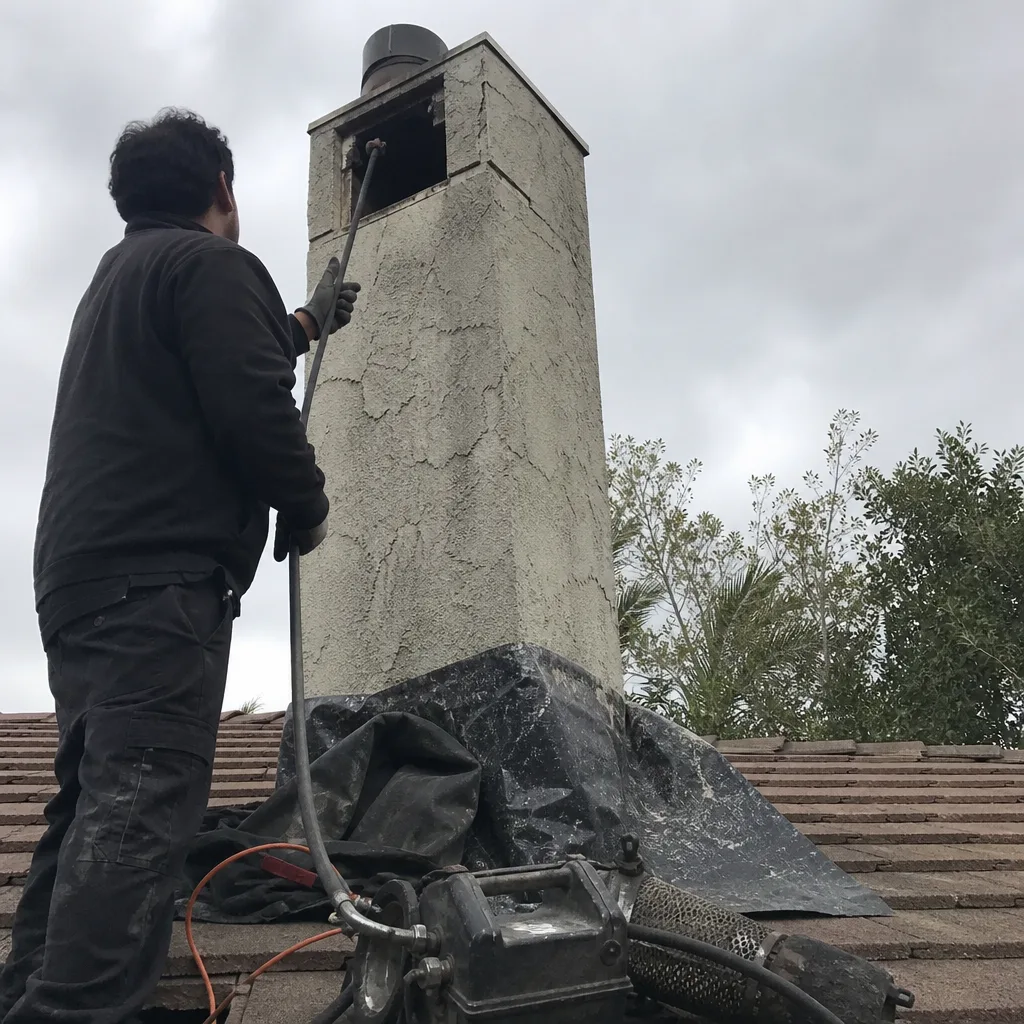 Before
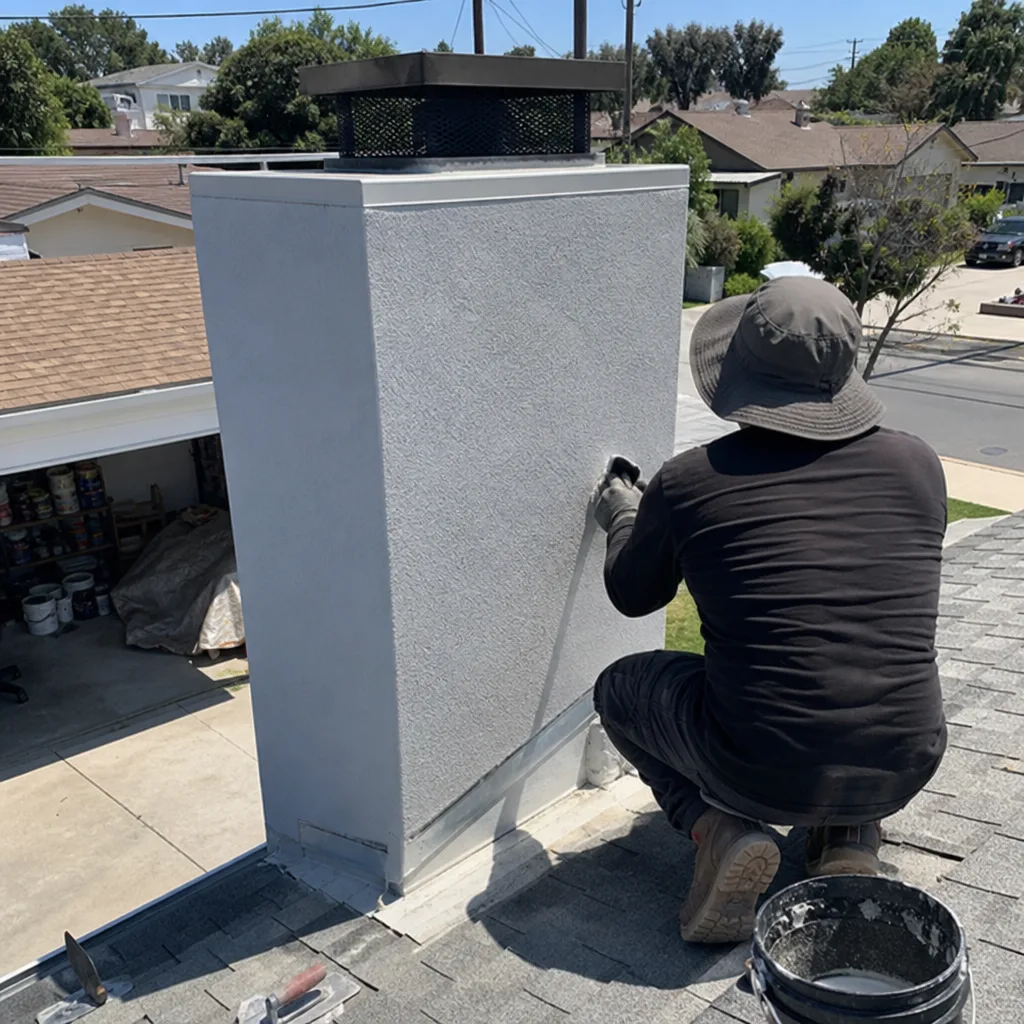 After
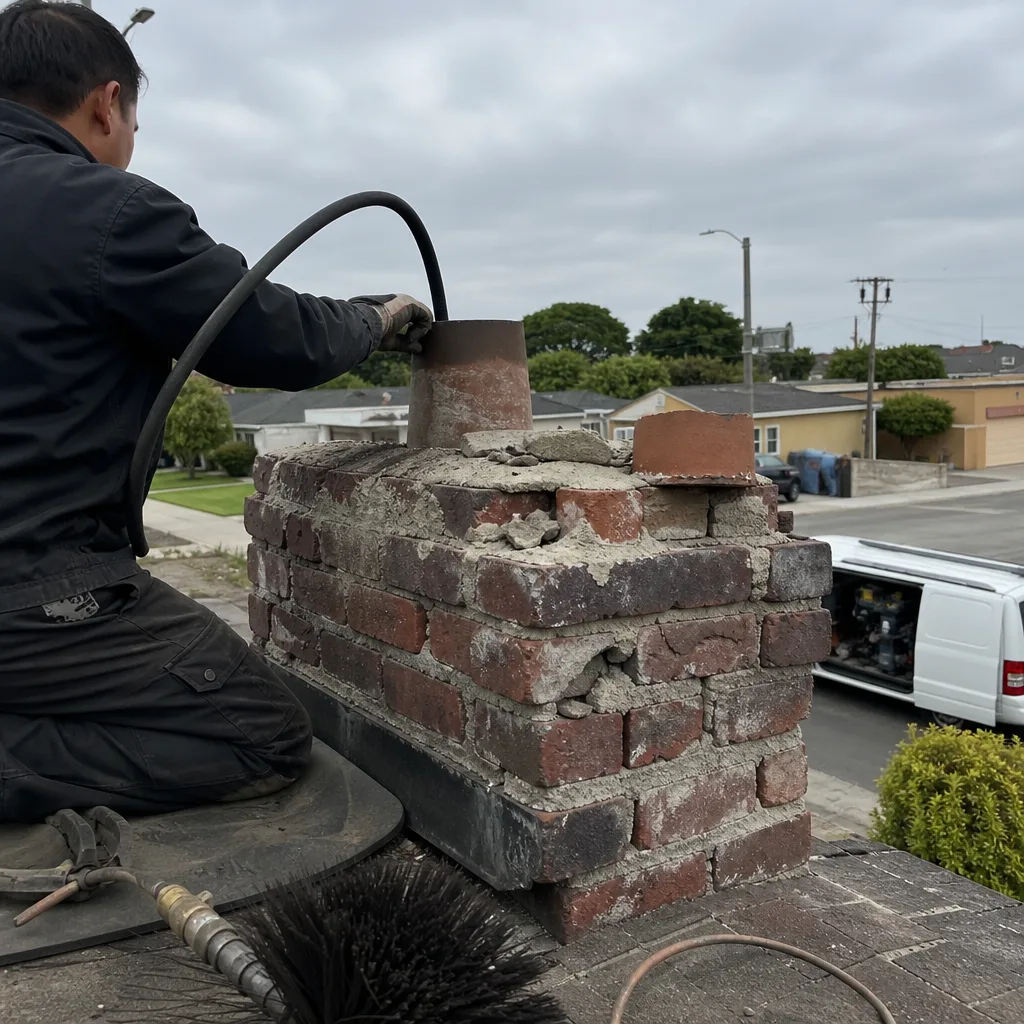 Before
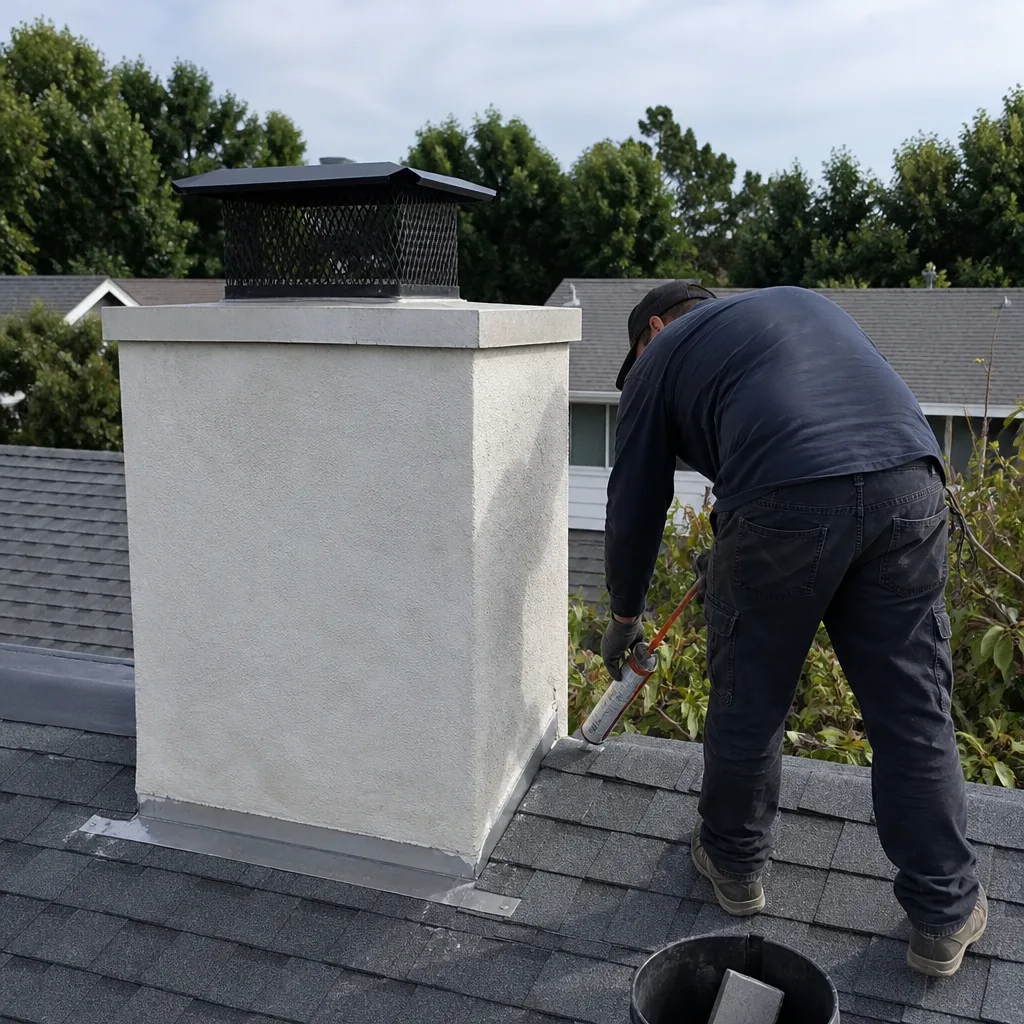 After
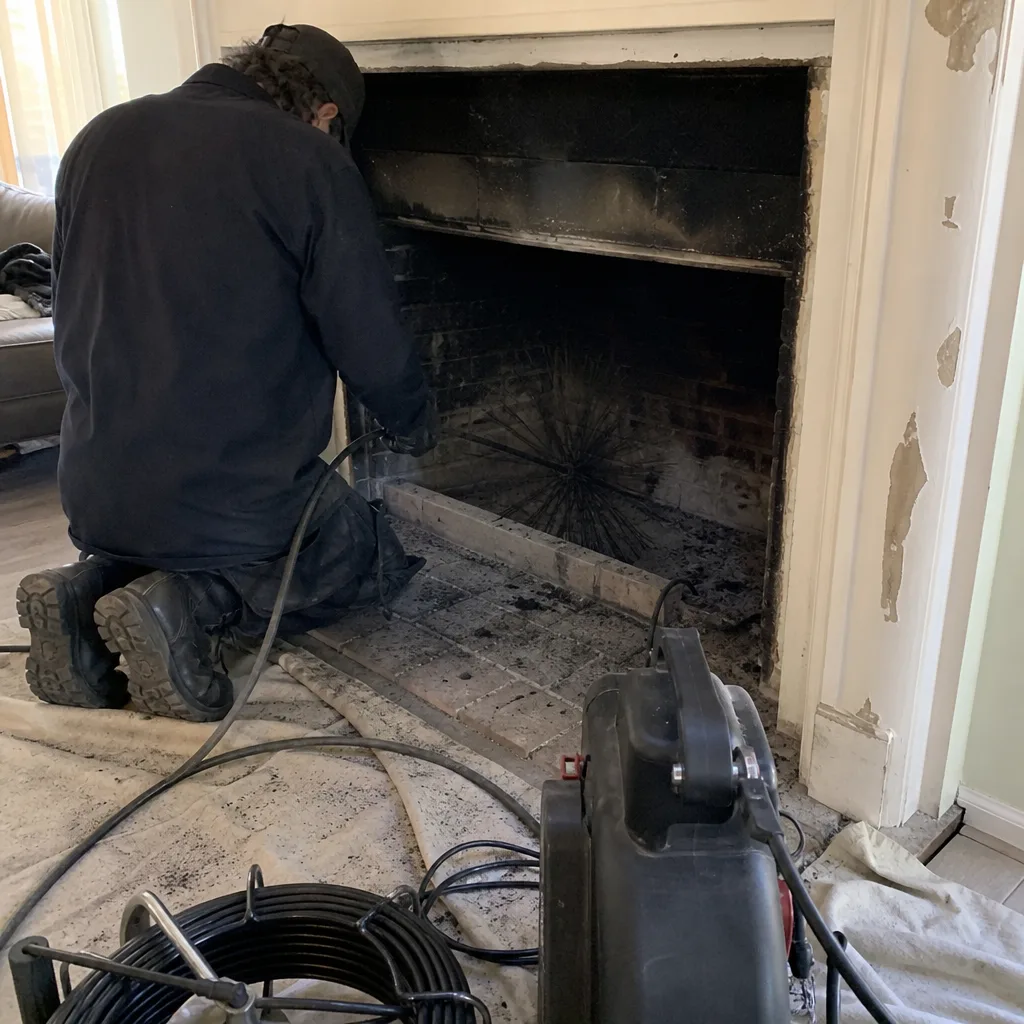 Before
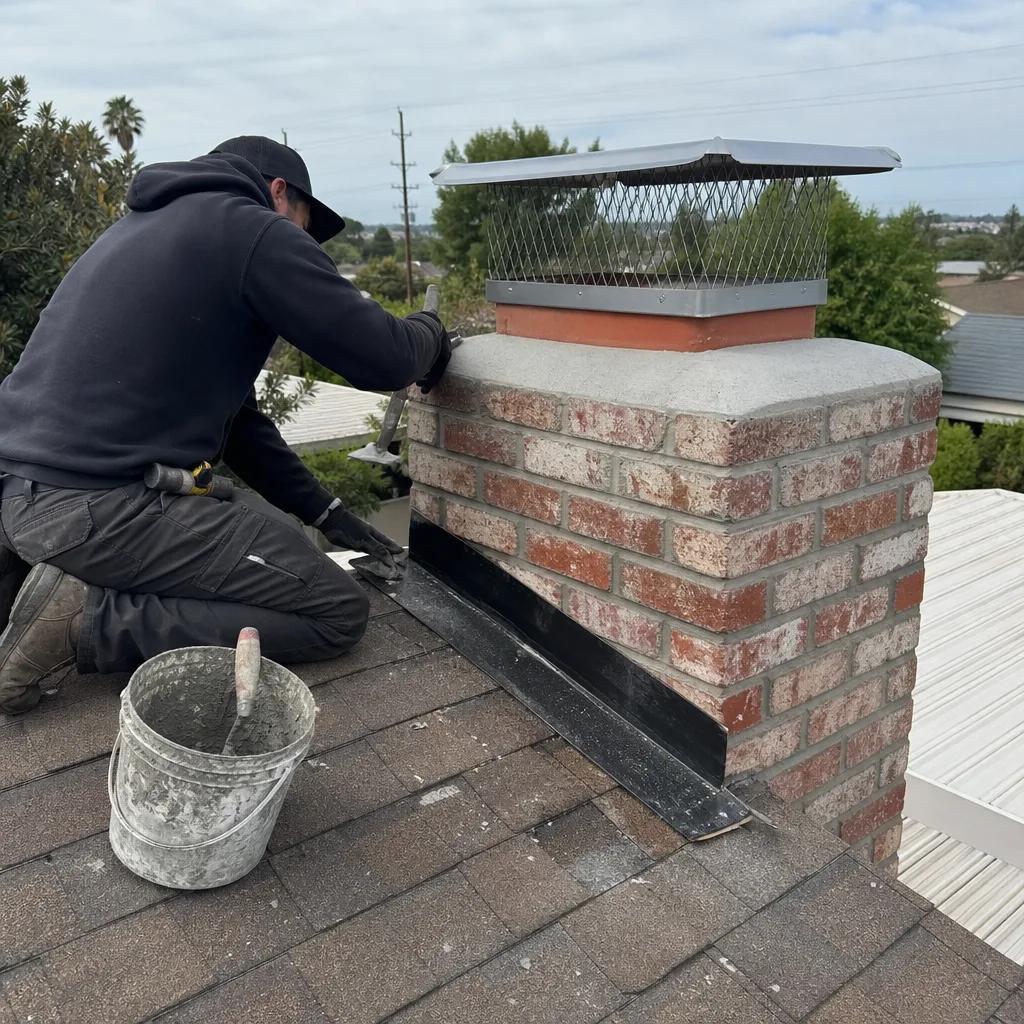 After